How to Fix Drywall Nail Pops for Good

Smoothly painted walls feel incredible, but a sudden protrusion can leave you with an annoying reminder—a nail pop. A nail pop is a small, unsightly bump or cracked ring on your wall that breaks up an otherwise perfect surface. It is a condition that occurs when the fasteners holding your drywall to the framing shift or loosen over time.

Understanding how these blemishes form is crucial for maintaining the beauty and structural integrity of your home. While they are usually harmless, seeing them scattered across your living room or hallway can be incredibly frustrating.

In this guide, we will cover exactly what causes these frustrating blemishes, how you can permanently repair them, and the best ways to keep your home’s walls looking flawless.

Call 317-269-7319 to Repair Nail Pops in Drywall in Indianapolis Indiana

What are Nail Pops and Why Do They Appear?

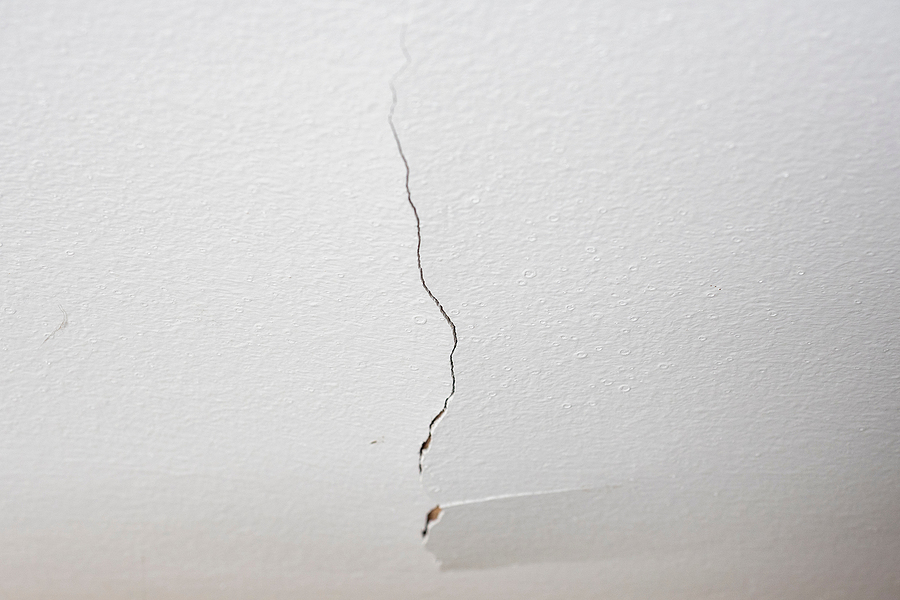
Nail pops occur when the nails or screws holding your drywall to the wooden studs push outward. This outward movement breaks the thin layer of joint compound and paint covering the fastener head. The result is a visible bump, a cracked circle, or even an exposed piece of metal on your wall. While they are structurally harmless in small numbers, they can ruin the aesthetic of a freshly painted room.

Common causes of nail pops

The most frequent culprit behind nail pops is the natural shrinking and expanding of the wooden framing behind your drywall. When new lumber dries out, it shrinks slightly, pulling away from the drywall and forcing the nail head outward.

Foundation settling also plays a major role. In areas like Indianapolis, the clay-heavy soils expand during wet spring months and contract during dry summers. This constant shifting causes the home’s foundation to settle. The resulting movement transfers stress to the wall studs, creating pressure that pops drywall fasteners loose.

Identifying Nail Pops: A Homeowner’s Guide

Spotting a nail pop is usually straightforward. You will see a small, dime-sized blister or a cracked ring of paint on the wall or ceiling. Because drywall is attached directly to the framing, these bumps appear most often along the lines of your wall studs or ceiling joists. You might notice them popping up in a straight vertical or horizontal line spaced roughly 16 to 24 inches apart.

Nail pops vs. other wall imperfections

Not every bump or crack is a nail pop. If you notice long, jagged cracks traveling diagonally from the corners of your doors or windows, your home is likely experiencing more significant foundation settling. Soft spots, peeling paint, or brownish stains indicate water damage behind the wall. A true nail pop will be localized exactly where a fastener sits, without any accompanying moisture issues or massive structural cracking.

Step-by-Step Guide to Repairing Nail Pops

Gathering necessary tools and materials

Fixing these blemishes requires a few basic hand tools. You will need a utility knife, a putty knife, a hammer, a drill or Phillips-head screwdriver, drywall screws, joint compound (spackle), and a fine-grit sanding sponge.

Preparing the affected area

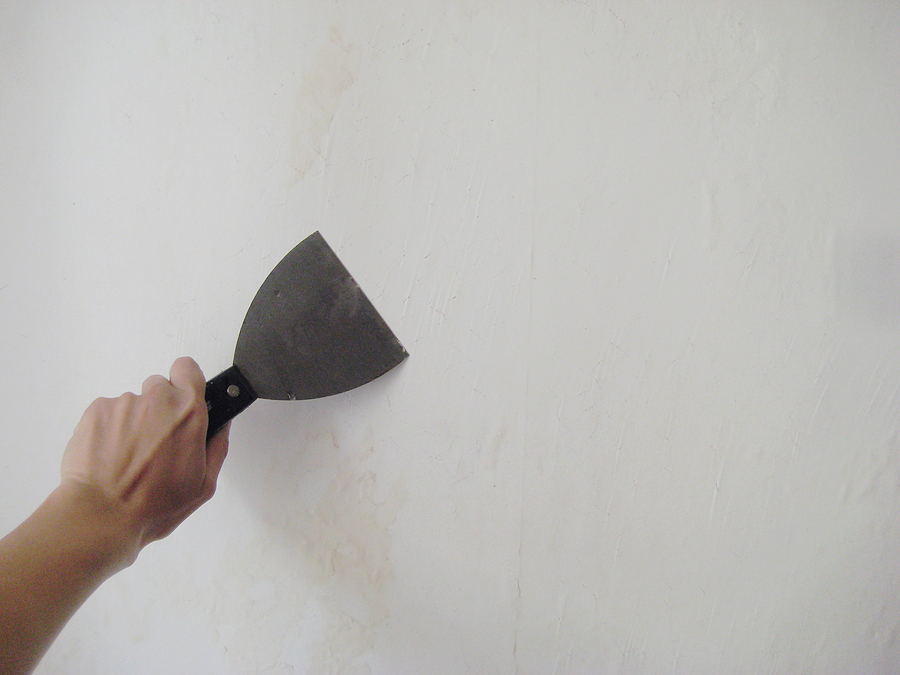
Start by using your utility knife to carefully scrape away the cracked paint and joint compound covering the protruding fastener. Expose the head of the nail or screw completely. This allows you to see exactly what you are working with and creates a clean surface so the new joint compound adheres properly.

Repairing the nail pop

If the fastener is a nail, use your hammer and a nail punch to drive it deep back into the wood stud. Do not try to pull it out, as this can severely damage the surrounding drywall.

Next, drive a new drywall screw about one to two inches above or below the old nail. Sink the screw just enough to create a slight dimple in the drywall paper without breaking it. This new screw secures the board tightly against the stud, ensuring the old nail will not pop out again.

Finishing and painting

Apply a thin layer of joint compound over the newly driven screw and the old nail head using your putty knife. Smooth it out as best as you can and allow it to dry completely, which usually takes a few hours.

Once dry, lightly sand the area with your fine-grit sponge until it is perfectly flush with the wall. Apply a second coat of joint compound if necessary, sand it smooth again, and wipe away the dust. Finish with a coat of primer and matching interior paint to seamlessly blend the repair into the rest of the room.

Preventing Future Nail Pops

Proper framing and drywall installation techniques

The best defense against wall imperfections starts during construction or renovation. Ensure the lumber used for framing is kiln-dried, which minimizes future shrinkage. Contractors should also apply construction adhesive to the studs before hanging drywall. The adhesive bonds the board directly to the wood, drastically reducing the reliance on metal fasteners alone.

Maintaining stable indoor humidity levels

Wood framing swells and shrinks based on the moisture in the air. Indianapolis experiences humid summers and incredibly dry winters, which can wreak havoc on your drywall. HVAC experts recommend maintaining an indoor humidity level between 30 and 50 percent year-round. Using a whole-home humidifier during the harsh Indiana winters keeps the wood from drying out and contracting, saving your walls from cyclical stress.

Using screws instead of nails

Using drywall screws instead of smooth-shank nails is a simple but highly effective prevention method. Screws have coarse threads that bite securely into the wood. This holds the drywall tightly against the stud even if the lumber shifts slightly, making them far less likely to back out over time.

When to Call a Professional Drywall Repair Service

Extensive damage or recurring issues

A single bump is a quick afternoon project, but a wall covered in popping fasteners might point to a bigger problem. If you notice clusters of nail pops across multiple rooms, your home could be experiencing severe foundation movement, high humidity fluctuations, or poor initial drywall installation.

Benefits of professional drywall services

Hiring a professional drywall contractor ensures the root cause is correctly diagnosed and addressed. An expert drywall technician will secure loose panels, repair structural shifting damages, and blend the finishing compound flawlessly. They have the experience to spot underlying issues that a typical homeowner might miss, saving you from repeated headaches and endless patching.

Frequently Asked Questions About Nail Pops

Are nail pops a sign of structural damage?

Generally, no. A few scattered bumps are a normal part of a home settling and lumber drying. However, sudden clusters of them accompanied by large wall cracks or sticking doors can indicate a larger foundation problem.

Can I just hammer the nail back in and paint over it?

Hammering the nail back in without adding a new securing screw is only a temporary fix. The natural movement of the wall will almost certainly push the nail back out within a few months.

Why do nail pops happen more often in newer homes?

New homes are built with lumber that naturally contains some moisture. As the house settles over its first year or two, the lumber dries out and shrinks, causing the fasteners to push through the drywall mud.

Keeping Your Walls Smooth and Flawless

Maintaining your home involves dealing with the occasional imperfection. Understanding how temperature changes, soil shifting, and lumber drying affect your walls empowers you to handle minor repairs with confidence. By securing loose boards with proper screws and maintaining your indoor humidity, you can keep your living spaces looking pristine.

Need professional help restoring your walls? If you are dealing with recurring drywall issues or extensive damage, we are here to help. Contact us today for professional and affordable drywall repair and installation in Indianapolis.

Call for a Free Quote

Related Post: Troublesome Nail Pops? Here’s How to Spot, Fix, and Prevent Them

5 Reasons to Hire Pro Drywall Installers

Taking on a home renovation is exciting, but realizing a project is more complex than it appears can quickly cause unnecessary stress. Watching home improvement shows might make hanging and finishing drywall look like a simple weekend task. However, achieving walls that look beautifully smooth and hold up over time is a highly skilled trade.

Poorly installed drywall often results in bulging seams, visible screw heads, and a constant dusting of fine white powder settling over your furniture. These issues can distract from your beautiful paint colors and carefully chosen decor.

Understanding the craftsmanship behind wall installation is crucial for maintaining a healthy and structurally sound home. Hiring a professional team ensures your walls are built correctly from the studs outward. Here are the top five reasons you should leave your next wall project to the experts.

Call 317-269-7319 for Professional Drywall Installation in Indianapolis

Achieve a Flawless, Professional Finish

Hiring a professional ensures your walls are perfectly smooth and completely free of visible joints, shadows, or surface imperfections. The industry standard for drywall finishing, established by the Gypsum Association, outlines specific levels of quality ranging from Level 0 to Level 5. Most residential interiors require a Level 4 finish, which means the seams and fasteners are completely concealed, and the wall is ready for flat paint or light texture.

If you plan to use glossy paint, or if your room features strong natural lighting from large windows, an expert will likely recommend a Level 5 finish. This involves applying a premium skim coat of joint compound over the entire surface. Without this expert technique, you risk a problem known as “joint photographing,” where the seams cast faint shadows through the paint. A professional has the trained eye and specialized tools needed to prevent these visual blemishes.

Ensure Long-Term Durability and Prevent Cracks

Professionals use the correct materials and fastening techniques to build strong walls that resist cracking, sagging, and popping over time. A common frustration for homeowners is the appearance of “nail pops,” which occur when the head of a drywall screw or nail protrudes and breaks the paint. Professionals prevent this by using exact fastener spacing and driving the screws perfectly flush without tearing the drywall paper.

Material selection also plays a significant role in durability. For example, research from major manufacturers like USG indicates that traditional paper joint tape is significantly stronger than fiberglass mesh tape when used with standard drying-type joint compounds.

Paper tape reinforces the joint under compression and shear forces, helping to prevent visible cracking as a home naturally settles. Experts know exactly which tapes and compounds to pair together to guarantee walls that stand the test of time.

Maximize Your Time and Cost Efficiency

Bringing in an expert crew saves you days of exhausting labor and the unexpected expenses of purchasing specialized finishing tools. Hanging heavy panels of gypsum board is physically demanding work, but the real time-drain comes during the taping and finishing process. Standard joint compounds must dry thoroughly between coats.

According to manufacturer guidelines, this drying process can take up to 24 hours per coat, depending on the temperature and humidity of the room. The environment must also be carefully maintained above 50 degrees Fahrenheit.

A seasoned drywall installation service knows how to manage these variables and work efficiently. What might take a homeowner several weekends of start-and-stop labor can be completed by a professional team in a fraction of the time. You also bypass the need to buy specialized broad knives, mud pans, sanding poles, and heavy-duty mixing drills that you will likely never use again.

Protect Your Health with Proper Dust Containment

Professional installers use advanced containment strategies and specialized vacuum systems to protect your home and your lungs from hazardous particulate matter. Sanding drywall joint compound creates incredibly fine dust that can linger in the air and travel through your home’s ventilation system.

According to the National Institute for Occupational Safety and Health (NIOSH), drywall dust contains elements like gypsum, mica, talc, and sometimes respirable silica. Breathing this dust can cause persistent throat irritation, coughing, and breathing difficulties. In fact, standard dry sanding can release dust levels up to ten times the occupational safety limits.

Professional drywall contractors mitigate these health risks. They utilize heavy-duty plastic barriers to seal off the work area and employ specialized vacuum sanding systems. These commercial-grade vacuums capture the dust directly at the sanding tool, successfully reducing airborne dust exposures by 80% to 97%. This keeps your family safe and prevents a massive cleaning headache once the project is done.

Increase Your Property Value and Curb Appeal

High-quality drywall craftsmanship enhances the overall aesthetic of your home, making it significantly more appealing to potential buyers and home appraisers. The condition of your interior walls serves as the canvas for your entire home.

When appraisers evaluate a property, they take note of the interior condition, including the quality of the paint and wall surfaces. Peeling paint, visible cracks, and poorly taped seams can signal to buyers that a home has not been well maintained, potentially lowering their perceived value of the property.

Flawless walls signal care, quality, and structural integrity. By investing in professional installation, you ensure that any future remodeling projects, fresh coats of paint, or home staging efforts look their absolute best, directly supporting a strong resale value.

Frequently Asked Questions

How long does drywall joint compound take to dry?

Standard ready-mixed joint compound requires adequate time to cure before it can be sanded or re-coated. Manufacturers typically recommend allowing up to 24 hours of drying time. However, this heavily depends on the environment. Wet or damp conditions, as well as cold temperatures, will significantly slow the drying process.

Should I use paper tape or fiberglass mesh tape?

For strong, crack-resistant joints with traditional drying-type compounds, paper tape is the best choice. While fiberglass mesh tape is easy to apply because of its sticky backing, it stretches slightly under pressure. This flexibility can allow the dried compound to crack. Fiberglass mesh should only be used with specific, fast-setting chemical compounds.

Transform Your Home With Expert Drywall Services

Your home deserves walls that provide a durable, beautiful foundation for your life. Trying to tackle heavy panels and dusty finishing compounds on your own can lead to structural flaws, messy cleanups, and a final look that falls short of your expectations. Trusting a professional protects your health, saves you valuable time, and guarantees a seamless finish that elevates your entire space.

If you are ready to upgrade your interior with flawless results, rely on experienced craftsmanship. Reach out today for professional drywall installation for repairs, renovations, or new construction in Indianapolis, Indiana.

Call for a Free Quote

Related Post: Unexpected Costs of Drywall Installation: What You Need to Know

Best Areas for Moisture-Resistant Drywall

TL;DR: Moisture-resistant drywall (green board) protects high-humidity areas from water damage and mold. Install it in bathrooms outside shower enclosures, kitchens near sinks, basements, laundry rooms, and garages. However, it’s not approved for direct water exposure like shower walls or tub surrounds—use cement backer board instead.

Key Takeaways:

  • Bathrooms: Use green board on walls and ceilings outside the shower/tub enclosure
  • Kitchens: Install behind sinks and in areas prone to splashing
  • Basements & Laundry Rooms: Protect against humidity and occasional moisture
  • Garages: Shield walls from condensation and temperature fluctuations
  • Not for Showers: Building codes prohibit green board as a tile substrate in direct water zones

Table of Contents:

  1. What is Moisture-Resistant Drywall? (Green Board Explained)
  2. Essential Installation: Bathrooms and Showers
  3. Protecting Your Kitchen: Sinks and Backsplashes
  4. Managing Humidity: Basements and Laundry Rooms
  5. Garages and Exterior-Facing Walls
  6. FAQ: Comparing Green Board vs. Standard Drywall
  7. Quick Recap
  8. Indianapolis Drywall Service Quote
Call 317-269-7319 for Moisture Resistant Drywall Installation and Repair in Indianapolis

What is Moisture-Resistant Drywall? (Green Board Explained)

Moisture-resistant drywall, commonly called green board due to its distinctive green paper facing, is specially designed to resist moisture absorption better than standard drywall.

According to ASTM C1396, the industry standard for gypsum board products, moisture-resistant drywall must absorb no more than 5% of its weight when exposed to water. This is achieved through a treated, water-repellent paper facing and a moisture-resistant gypsum core. Some manufacturers enhance these properties with mold-resistant additives in both the core and facing materials.

Understanding where to use this material is crucial. While green board offers excellent protection against humidity and occasional splashing, it’s not waterproof. The Gypsum Association’s GA-216 standard clearly states that gypsum panel products “shall not be used where there will be direct exposure to water or continuous high humidity conditions.”

This distinction matters because improper installation can lead to water damage, mold growth, and costly repairs. Knowing exactly where green board belongs—and where it doesn’t—will help you maintain a healthy, durable home.

Essential Installation: Bathrooms and Showers

Install moisture-resistant drywall on bathroom walls and ceilings outside the shower or tub enclosure.

Bathrooms are the most obvious location for green board, but there’s an important limitation: building codes prohibit using moisture-resistant drywall behind tile in shower and tub areas. According to the International Building Code Section 2509.3, water-resistant gypsum backing board cannot be installed “over a vapor retarder in shower or bathtub compartments” or “where there will be direct exposure to water.”

Here’s where you should use green board in bathrooms:

  • Walls outside the shower/tub surround
  • Ceilings in the main bathroom area
  • Powder room walls where humidity levels rise
  • Behind vanities and toilet areas

For the shower itself, use cement backer board products like Durock, Permabase, or fiber-cement panels that meet ASTM C1288 or C1325 standards. These materials are specifically designed to withstand constant water exposure and serve as proper substrates for tile installation.

Even with green board in the appropriate areas, proper ventilation remains essential. Install exhaust fans rated for your bathroom’s square footage and run them during and after showers to manage humidity levels effectively.

Protecting Your Kitchen: Sinks and Backsplashes

Use moisture-resistant drywall behind kitchen sinks, near dishwashers, and in areas prone to splashing.

Kitchens experience regular moisture exposure from cooking, dishwashing, and food preparation. While not as extreme as bathroom conditions, these areas benefit significantly from green board installation.

Focus on these kitchen zones:

  • Behind the sink: This area receives frequent splashing and high humidity from hot water use
  • Around the dishwasher: Steam and occasional leaks make this a vulnerable spot
  • Near the stove: Cooking generates significant steam and grease-laden moisture
  • Base cabinet areas with plumbing: Protects against slow leaks from supply lines

One common question: Can you install tile directly over green board in a kitchen backsplash? The Gypsum Association advises that moisture-resistant panels are “not designed to be used as a substrate for tile applications.” For areas receiving regular water contact, consider cement backer board even in kitchens, or ensure your tile installation includes a proper waterproof membrane system.

Remember that green board handles occasional splashes well but isn’t meant for continuous water exposure. Wiping down surfaces promptly and maintaining good kitchen ventilation will help your moisture-resistant drywall perform as designed.

Managing Humidity: Basements and Laundry Rooms

Install green board in basements and laundry rooms to combat persistent humidity and protect against occasional moisture. Basements face unique moisture challenges. Below-grade walls naturally experience higher humidity due to their contact with cool, damp earth. Even with proper waterproofing on the exterior, interior humidity can lead to mold growth on standard drywall.

Moisture-resistant drywall provides an extra layer of protection in these areas:

  • Finished basement walls: Especially on exterior-facing walls where condensation may occur
  • Basement ceilings: Where HVAC ducts or plumbing pipes may cause condensation
  • Storage areas: Where boxes and belongings need protection from humidity

Laundry rooms generate substantial moisture from washing machines and dryers. Even with properly vented dryers, these spaces experience humidity spikes during each laundry cycle. Green board installation here prevents moisture absorption that could compromise wall integrity over time.

Critical tip: Green board helps manage humidity, but it doesn’t replace proper basement waterproofing or ventilation. Address any active water intrusion issues before installing any drywall, and ensure your space has adequate dehumidification.

Garages and Exterior-Facing Walls

Consider moisture-resistant drywall for garage walls and interior walls facing exterior conditions. Garages experience significant temperature fluctuations and humidity changes. In winter, warm interior air meeting cold garage surfaces creates condensation. In summer, hot, humid air can penetrate through gaps and settle on cooler interior walls.

Moisture-resistant drywall makes sense for:

  • Walls between living spaces and garages: These transition zones experience the most dramatic temperature differences
  • Exterior-facing walls in rooms without climate control: Mudrooms, enclosed porches, or storage areas
  • Walls behind water heaters or HVAC units: Where condensation commonly occurs

While green board isn’t always required by code in these locations, it provides cost-effective insurance against moisture-related problems. The modest price difference compared to standard drywall can prevent expensive repairs down the line.

If you’re planning garage renovations or finishing previously unfinished spaces, discuss moisture-resistant options with your contractor. They can assess your specific conditions and recommend whether green board makes sense for your project.

Need expert drywall installation in Indianapolis? Our experienced drywall contractors understands local building codes and moisture challenges specific to Indiana homes. Contact us today for a free consultation on your drywall project.

FAQ: Comparing Green Board vs. Standard Drywall

Can I use green board everywhere in my home?

You can, but it’s not necessary or cost-effective. Green board costs 20-30% more than standard drywall. Reserve it for moisture-prone areas and use regular drywall in bedrooms, living rooms, and other dry spaces.

How do I identify moisture-resistant drywall?

Look for the distinctive green paper facing. The long edges are typically tapered and wrapped with the green facer material. Most manufacturers also print product information on the surface indicating moisture-resistant properties.

What’s the difference between moisture-resistant and mold-resistant drywall?

Moisture-resistant (green board) focuses on limiting water absorption through treated facing. Mold-resistant drywall (like purple board) includes anti-microbial additives in both the core and facing to actively resist mold growth. Some products combine both features.

Can I paint green board like regular drywall?

Yes, but apply a primer first. The moisture-resistant facing may not accept paint as readily as standard paper-faced drywall. A quality primer ensures proper paint adhesion and finish quality.

Do I need special fasteners for green board?

No. Use the same screws, nails, or adhesives you’d use for standard drywall. Follow standard installation practices for spacing and depth.

Is green board required by building code?

Local codes vary, but most don’t specifically require moisture-resistant drywall in bathrooms outside wet zones. However, they do prohibit it in direct water areas and specify acceptable materials for shower/tub tile backing. Always check your local building codes or consult a licensed contractor familiar with regional requirements.

Quick Recap:

  • Moisture-resistant drywall (green board) limits water absorption to 5% of board weight per ASTM C1396
  • Install in bathrooms on walls and ceilings outside shower/tub enclosures
  • Never use behind tile in shower or tub surrounds—codes require cement backer board instead
  • Protect kitchens near sinks, dishwashers, and areas receiving regular splashing
  • Use in basements to combat persistent humidity, especially on exterior-facing walls
  • Consider for laundry rooms where washing machines and dryers generate moisture
  • Install in garages and transition zones experiencing temperature fluctuations
  • Green board resists moisture but isn’t waterproof—avoid areas with direct water exposure

Make the Right Choice for Your Home

Moisture-resistant drywall serves as an essential line of defense against water damage and mold in your home’s vulnerable areas. By installing green board in bathrooms, kitchens, basements, and other humidity-prone spaces, you’re investing in your home’s long-term health and your family’s comfort.

Remember that proper installation makes all the difference. While green board provides superior moisture resistance, it must be paired with adequate ventilation, proper sealing, and correct application techniques to perform as designed.

Looking for professional drywall services in Indianapolis? Our certified installers know exactly where moisture-resistant drywall belongs—and where it doesn’t. We’ll ensure your project meets all local building codes while protecting your home from moisture damage. Call us today for a free estimate on your drywall installation or repair project.

Phone Us Now

Related Post: Water-Damaged Drywall? Here’s When to Repair vs. Replace

Ceiling Tiles: Pros, Cons & Top Alternatives

TL;DR and Key Takeaways:

Choosing the right ceiling material impacts your home’s acoustics, accessibility, and overall vibe. While ceiling tiles offer unmatched practicality for accessing utilities, they often lack the seamless elegance of drywall.

Key Takeaways:

  • Utility Access: Suspended ceilings are the best choice for hiding and accessing pipes, ducts, and wires.
  • Acoustic Control: Tiles can significantly reduce noise, with high-end options absorbing up to 90% of sound.
  • Height Reduction: Expect to lose 3 to 8 inches of ceiling height with a drop ceiling grid.
  • Aesthetics: Drywall remains the gold standard for a polished, residential look, while tiles can feel industrial or dated.
  • Alternatives: Wood planks and stretch ceilings offer unique style benefits if you want to avoid standard drywall or tiles.

Table of Contents:

  1. Why Ceiling Choice Matters
  2. The Advantages of Installing Ceiling Tiles
  3. The Disadvantages of Ceiling Tiles
  4. Top Alternatives to Suspended Ceilings
  5. Why Professional Drywall is a Smart Investment
  6. Frequently Asked Questions
  7. Quick Recap
  8. Conclusion
Call 317-269-7319 for Professional Ceiling Tile Installation in Indianapolis

Why Ceiling Choice Matters

Your ceiling does more than just hide the roof; it plays a critical role in how a room sounds, feels, and functions. For many homeowners, the ceiling is an afterthought until a water leak appears or they realize their basement echoes like a gymnasium.

The material you choose dictates how easily you can fix future plumbing issues, how loud your footsteps sound to the floor below, and whether your room feels cozy or clinical. While drop ceilings (ceiling tiles) were once the default for basements and offices, modern trends are shifting toward cleaner, more durable finishes.

The Advantages of Installing Ceiling Tiles

Ceiling tiles, particularly suspended or “drop” ceilings, prioritize function and acoustic comfort above all else.

Easy Access to Utilities

The primary benefit of a suspended ceiling is the ability to reach mechanical systems without demolition. Because the tiles sit in a grid system 3 to 8 inches below the structural joists, you have a “plenum” space that hides HVAC ducts, electrical wiring, and plumbing. If a pipe leaks, you simply pop out a tile, fix the leak, and replace the tile. With drywall, you would need to cut a hole, repair the leak, patch the hole, sand, and repaint.

Superior Sound Absorption

Acoustic tiles are engineered to dampen noise, making them ideal for basements, media rooms, or home offices. Performance is measured by the Noise Reduction Coefficient (NRC). Standard mineral fiber tiles typically have an NRC between 0.50 and 0.70, meaning they absorb 50% to 70% of the sound that hits them. High-performance fiberglass tiles can reach NRC ratings of 0.90 or higher, creating a library-quiet atmosphere.

Budget-Friendly Repairs

Maintenance for ceiling tiles is incredibly low-cost and requires zero technical skill. If a tile gets water-stained, cracked, or dingy, you don’t need to hire a drywall contractor to fix it. You can purchase a replacement tile for a few dollars and swap it out in seconds. This modularity is a massive advantage for rental properties or high-traffic areas.

The Disadvantages of Ceiling Tiles

Despite their practicality, ceiling tiles come with significant aesthetic and structural trade-offs that can deter homeowners.

Reduced Ceiling Height

Installing a drop ceiling requires sacrificing vertical space. To accommodate the grid and the necessary clearance for lifting tiles in and out, a suspended ceiling typically lowers the room height by a minimum of 3 to 4 inches, though 6 to 8 inches is more common to allow for ductwork. In basements where headroom is already limited, this loss can make a space feel cramped and claustrophobic.

Dated, Industrial Aesthetic

It is difficult to make a grid system look high-end or cozy. While manufacturers now produce “architectural” tiles that mimic tin or coffered wood, the visible grid lines often give away the fact that it is a drop ceiling. For many, this look is synonymous with corporate offices, schools, or unfinished basements, which can lower the perceived value of a residential property compared to a smooth, finished ceiling.

Susceptibility to Moisture and Sagging

Standard mineral fiber tiles are porous and prone to water damage. In humid environments like bathrooms or basements without dehumidifiers, these tiles can absorb moisture, leading to unsightly sagging, discoloration, and even mold growth. While “humid-safe” tiles exist, standard options are not waterproof and can deteriorate quickly if a pipe leaks above them.

Top Alternatives to Suspended Ceilings

If the “office look” of ceiling tiles isn’t for you, several alternatives offer better durability and style.

Drywall Ceilings

Drywall is the most common ceiling finish for a reason: it creates a smooth, seamless, and timeless surface. It maximizes ceiling height since it is attached directly to the joists (or furring strips), usually taking up less than an inch of vertical space. While it doesn’t offer the easy utility access of tiles, access panels can be installed strategically. Ideally, drywall offers the best return on investment for resale value.

Wood Plank Ceilings

Wood planks or tongue-and-groove paneling add warmth and texture that tiles and drywall cannot match. This option is excellent for covering up damaged drywall or old popcorn ceilings without scraping. It can be installed directly onto ceiling joists or a track system. However, wood can be expensive and, like drywall, makes accessing utilities difficult once installed.

Stretch Ceilings

A stretch ceiling involves a PVC membrane stretched across a perimeter track, creating a perfectly smooth, glass-like surface. It is highly resistant to moisture, making it a surprisingly good option for basements. If a leak occurs, the membrane stretches to hold the water (protecting your furniture) and can be drained and re-stretched by a professional. The downside is the cost; it is significantly more expensive than tiles or drywall and requires specialized installation.

Why Professional Drywall is a Smart Investment

For most residential spaces, a professionally finished drywall ceiling provides the best balance of aesthetics, durability, and value. While a drop ceiling allows you to hide messy wires easily, a drywall ceiling forces a cleaner, more permanent renovation. It seals the room better against dust from the joists above and provides a fire-resistant barrier that adds safety to your home.

Furthermore, drywall is versatile. It can be painted any color, supports recessed lighting beautifully, and creates a continuous flow from wall to ceiling that opens up a room visually. If you are worried about accessing pipes, a professional drywall service can install discrete access panels or layout plumbing in a way that minimizes future demolition needs.

If you are renovating a basement or updating a room, opting for professional drywall installation ensures a flat, blemish-free finish that DIY kits or tiles rarely achieve.

Frequently Asked Questions

Can I paint acoustic ceiling tiles?

You can, but it is generally not recommended for acoustic tiles. Painting standard fiber tiles fills the tiny fissures and holes that absorb sound, significantly reducing their noise-dampening capabilities. If you must paint them, use a non-bridging paint specifically designed for acoustic panels, or spray them very lightly to avoid clogging the surface.

Do ceiling tiles insulate the room?

Ceiling tiles provide some thermal insulation, but they are primarily designed for sound, not heat. The “dead air” space between the tile and the floor above acts as a buffer, which can help keep a room warmer. However, for true thermal efficiency, you should install fiberglass or rock wool insulation batts between the joists above the grid.

How much does a drop ceiling cost vs. drywall?

Material-wise, a basic drop ceiling is often more expensive per square foot than drywall sheets. However, drywall requires significantly more labor (hanging, taping, mudding, sanding, painting). When you factor in professional labor, the costs are often comparable, though high-end architectural tiles will always cost more than a standard flat drywall finish.

Quick Recap:

  • Tiles are practical: Best for accessing wires/pipes and stopping noise.
  • Tiles steal height: You will lose 3-8 inches of headroom.
  • Drywall is timeless: Offers the best resale value and seamless look.
  • Wood adds warmth: Great for aesthetics but harder to install.
  • Stretch is modern: Waterproof and sleek, but expensive.
  • Maintenance: Tiles are easy to replace; drywall requires patching.

Conclusion

Deciding between ceiling tiles and their alternatives comes down to your priorities: do you need instant access to plumbing, or do you want a sleek, high-value finish? While tiles have their place in utility-heavy zones, nothing beats the clean, expansive look of a professionally finished drywall ceiling for main living areas.

If you are ready to upgrade your home’s look with a smooth, flawless finish, don’t rely on guesswork. For expert advice and superior craftsmanship, contact our team for professional drywall installation and repair in Indianapolis and surrounding areas today. Let us help you create a ceiling that elevates your entire home.

Call Now to Book Service

Related Post: Drop Ceilings: What You Need to Know Before You Decide

Choosing the Right Drywall For Your New Construction Home

TL;DR: Selecting the correct drywall is crucial for durability, fire safety, and sound control in your new home. This guide covers the different types of gypsum board—from standard panels to advanced soundproof and fire-resistant options—and explains why professional installation is often the smarter investment.

Key Takeaways:

  • Not all drywall is the same: Different rooms require specific types (e.g., moisture-resistant for bathrooms, Type X for garages).
  • Safety first: Fire-resistant drywall is often required by code for ceilings and garage walls.
  • Quiet comfort: Specialized sound-damping drywall can significantly reduce noise transfer between rooms.
  • Installation matters: Professional finishing ensures smooth walls that stand the test of time.

Table of Contents:

  1. What is Drywall and Why Does It Matter?
  2. What Are the Main Types of Drywall?
  3. What Factors Should I Consider When Choosing Drywall?
  4. Should I DIY or Hire a Professional?
  5. FAQs About Drywall
  6. Quick Recap
  7. Conclusion

What is Drywall and Why Does It Matter?

Drywall, also known as gypsum board, sheetrock, or wallboard, is the primary material used to create walls and ceilings in modern homes. It consists of a gypsum core sandwiched between two layers of paper.

While it might look like a simple backdrop for your paint, drywall plays a critical role in your home’s infrastructure. It provides fire resistance, sound control, and thermal efficiency. Choosing the wrong type can lead to premature mold growth in damp areas, poor sound insulation in bedrooms, or even safety code violations. Getting it right during the new construction phase saves you from costly repairs and renovations down the road.

Call 317-269-7319 for New Home Construction Drywall Installation in Indianapolis

What Are the Main Types of Drywall?

Regular Drywall

This is the standard “white board” used in most living areas, bedrooms, and hallways. Typically found in 1/2-inch thickness, it’s cost-effective and easy to finish. It’s perfect for walls that don’t face special conditions like high moisture or fire risks.

Moisture-Resistant Drywall

Often called “green board” or “purple board,” this type features a treated core and special face paper (often 100% recycled) designed to resist moisture and mold. It is essential for damp areas like bathrooms, kitchens, and laundry rooms.

However, there is a critical distinction to make: while moisture-resistant, standard green board is generally not waterproof enough for direct water exposure, such as inside a shower stall. For those areas, cement board or glass-mat gypsum panels are usually required.

Fire-Resistant Drywall (Type X)

Safety is the priority here. Type X drywall is 5/8-inch thick and contains glass fibers and other additives in the gypsum core. These additives help the board hold together longer during a fire, preventing the spread of flames.

According to the Gypsum Association, Type X board is defined by ASTM standards to provide at least a one-hour fire-resistance rating when installed in specific assemblies. It is typically required by building codes for garages, utility rooms, and ceilings separating living spaces.

Soundproof Drywall

If you value peace and quiet, sound-damping drywall is a game-changer. These panels, such as those made by CertainTeed or USG, often feature a viscoelastic polymer layer sandwiched between two dense gypsum cores.

This layered construction absorbs and dissipates sound waves, offering a significantly higher Sound Transmission Class (STC) rating than standard drywall. It’s ideal for home theaters, home offices, or shared walls in multi-family units.

Eco-Friendly Drywall

Sustainability is becoming a standard in construction. Many modern drywall products, particularly those from major manufacturers like USG, are GREENGUARD Gold Certified for low chemical emissions. Some eco-friendly options use high percentages of synthetic gypsum (a byproduct of industrial processes) and 100% recycled paper facings, reducing the environmental footprint of your build.

Standard Drywall
Standard Drywall

What Factors Should I Consider When Choosing Drywall?

Moisture Resistance

Think about the room’s function. If steam or splashes are inevitable (like in a bathroom or basement), you need mold- and moisture-resistant panels. Using regular drywall in these areas invites mold growth, which can compromise your home’s air quality and structural integrity.

Fire Rating

Check your local building codes. Fire-rated (Type X) drywall is rarely optional in specific zones. It is critical for the wall between your house and garage, as well as utility closets housing furnaces or water heaters. It buys your family valuable time in the event of an emergency.

Soundproofing

Consider the acoustics of your floor plan. Open-concept homes can be noisy. Installing soundproof drywall in key areas—like the primary bedroom or a media room—can drastically improve your quality of life. While it costs more per sheet, the privacy and quiet are often worth the investment.

Cost

Regular 1/2-inch drywall is the most affordable option. Specialty boards—like Type X, purple board, or soundproof panels—come at a premium. However, you don’t need to use specialty boards everywhere. A strategic mix (e.g., soundproof board only in the media room, green board only in the baths) keeps the budget balanced.

Environmental Impact

If indoor air quality and sustainability are priorities, look for products with “low VOC” certifications and high recycled content. These materials contribute to a healthier living environment without sacrificing durability.

Should I DIY or Hire a Professional?

Cost Analysis

On paper, DIY drywall installation looks cheaper because you aren’t paying for labor. However, mistakes are expensive. Poorly taped joints, wasted material from bad cuts, and the cost of renting specialized tools (like lifts and sanders) can quickly eat into your savings.

Time and Effort

Hanging and finishing drywall is physically demanding and messy. It requires lifting heavy sheets, mixing mud, taping, and multiple rounds of sanding. What takes a professional drywall service a few days might take a DIYer several weekends of exhausting labor.

Quality and Longevity

Drywall finishing is an art form. A professional installation ensures smooth, seamless walls that don’t show tape lines or screw pops once painted. Professionals also know how to navigate tricky areas like corners, arches, and electrical boxes, ensuring the structural integrity and fire safety ratings of the installation are maintained.

FAQs About Drywall

Can I use moisture-resistant drywall in my shower?

Generally, no. While “green board” is moisture-resistant, most building codes and manufacturers (and organizations like the Tile Council of North America) recommend using cement backer board or glass-mat gypsum panels for wet areas like shower surrounds to prevent water damage behind the tile.

What is the difference between 1/2-inch and 5/8-inch drywall?

1/2-inch is the standard for residential walls. 5/8-inch (usually Type X) is thicker, heavier, and provides better fire resistance and sound control. It is typically used where fire codes mandate it.

Is soundproof drywall really worth the extra cost?

For specific rooms, yes. While you may not need it in a pantry, using it for a home office, nursery, or theater room makes a noticeable difference in reducing noise transfer.

Blog Recap

  • Regular Drywall: Best for standard living areas.
  • Moisture-Resistant: Essential for baths and kitchens; distinct from waterproof backer board.
  • Type X (Fire-Rated): Thicker, safer, and often legally required for garages.
  • Soundproof: Worth the investment for privacy and noise reduction.
  • Installation: Pros save you time and ensure a flawless finish.

Conclusion

Your walls are more than just a surface for art; they are the shell that protects your home and family. By choosing the right drywall for each specific area of your new construction, you ensure a safer, quieter, and more durable home. While DIY is tempting, the skill required for a perfect finish usually makes professional installation the better long-term choice.

Building your dream home requires a flawless finish. For expert drywall installation in Indianapolis that guarantees durability and aesthetic perfection, Contact Us Today to schedule your consultation!

Place Your Call Now

Related Post: Modern Drywall Options Choosing the Right Solution for Your Space

Don’t Panic! Here’s What You Need to Know About Repairing Drywall Holes

It happens to the best of us. A doorknob slams into a wall a little too hard, a picture frame is moved one too many times, or perhaps an enthusiastic furniture rearrangement goes awry. Suddenly, you’re staring at an unsightly hole in your pristine wall. While it might feel like a disaster in the moment, a hole in your drywall is actually one of the most manageable home repairs you can tackle yourself.

Leaving a hole unrepaired isn’t just an eyesore; it can allow moisture, pests, or drafts to enter the wall cavity, potentially leading to bigger issues down the line. Fortunately, with a little patience and the right guidance, you can restore your wall to its former glory. Whether you’re dealing with a tiny nail pop or a gaping hole from a moved outlet, understanding the repair process empowers you to take control of your home maintenance.

Call 317-269-7319 to Repair a Hole in Your Wall in Indianapolis

How to Repair a Hole in the Wall

Essential Tools and Materials for the Job

Before you begin, gathering the right supplies is crucial. Having everything within arm’s reach will make the process smoother and prevent frantic trips to the hardware store halfway through the repair.

Here is what you will need:

  • Spackle or Joint Compound: For tiny holes, lightweight spackle works wonders. For anything larger than a coin, you will want all-purpose joint compound.
  • Putty Knife or Taping Knife: You will need a smaller knife (about 2-4 inches) for applying the compound and a wider one (6-10 inches) for feathering it out seamlessly.
  • Sandpaper or Sanding Sponge: A fine-grit sandpaper (around 100 to 120 grit) is essential for smoothing out dried compound without damaging the surrounding wall.
  • Mesh or Paper Tape: This reinforces the repair and prevents cracks from reappearing. Self-adhesive mesh tape is often easier for beginners.
  • Wall Patch or Scrap Drywall: For medium holes (up to 4 inches), an adhesive aluminum patch is great. For larger holes, you will need a piece of scrap drywall.
  • Utility Knife: Useful for trimming ragged edges around the hole.
  • Dust Mask: Protect your lungs from fine drywall dust during sanding.

Step-by-Step: Repairing Small to Medium Holes

Small holes—typically those left by nails, screws, or wall anchors—are the perfect starting point for DIY beginners. These repairs are quick and forgiving.

1. Prep the Area

Start by cleaning the hole. Use your utility knife to gently scrape away any loose paint or paper sticking out of the hole. If the hole is from a nail pop, use a hammer and nail set to drive the nail back below the surface of the wall.

2. Fill the Void

Take a small amount of spackle or joint compound on your finger or a small putty knife. Press it firmly into the hole, slightly overfilling it. The compound shrinks as it dries, so a little extra helps prevent a dimple from forming.

3. Swipe and Dry

Swipe your putty knife across the hole once to level it off. Don’t overwork it—the more you mess with it, the messier it gets. Let it dry completely according to the manufacturer’s instructions (usually a few hours).

4. Sand and Repeat

Once dry, lightly sand the area until it is flush with the wall. If there is still a slight indentation, apply a second thin coat, let it dry, and sand again.

Request a Free Onsite Drywall Repair Estimate in Indy Now

Tackling Larger Holes: The Patch Method

When the hole is larger than a few inches—perhaps from a doorknob accident, flying toy, foot, or fist—filling it with spackle won’t work. The compound will just fall through. For these, you need to create a new surface.

The “California Patch” or Adhesive Mesh

For holes up to about 4 inches, you can use a self-adhesive metal patch. simply stick the patch over the hole, then cover it with joint compound.

However, for a stronger repair, or for holes larger than 4 inches, you will need to use a backing method:

  1. Cut the Hole Square: Use a drywall saw to cut the damaged area into a neat square or rectangle.
  2. Install a Backer Board: Cut a piece of wood (like a 1×2 or piece of plywood) slightly longer than the hole. Insert it into the hole, hold it tight against the back of the drywall, and screw it in place through the existing wall on top and bottom.
  3. Insert the New Piece: Cut a piece of scrap drywall to fit your square hole. Screw this new piece into the wood backer board you just installed.
  4. Tape and Mud: Apply mesh tape over the seams where the new piece meets the old wall. Cover the tape with joint compound, feathering the edges out wide to blend the repair.

The Art of Painting and Finishing

The repair isn’t finished until it disappears. The goal is to make the wall look like nothing ever happened.

Once your final coat of compound is sanded smooth, wipe away the dust with a damp cloth. You must prime the repaired area before painting. Joint compound is porous and absorbs paint differently than the rest of the wall; if you skip primer, you will see a dull spot where the patch is.

After the primer dries, paint the area. If you can, paint the entire wall from corner to corner. If that isn’t possible, use a roller to “feather” the new paint into the old paint, rather than painting a strict square, which catches the eye.

Common Drywall Repair Mistakes to Avoid

Even seasoned DIYers can stumble on drywall repairs. Watch out for these pitfalls:

  • Skipping the Sanding: If you don’t sand enough, the patch will look like a lump. If you sand too much, you’ll expose the mesh tape or paper. Use a light hand.
  • Thick Layers: Applying one thick layer of compound takes forever to dry and often cracks. Several thin layers are always better than one thick one.
  • Ignoring Texture: If your walls have texture (like orange peel or knockdown), a smooth patch will stand out. You can buy spray cans of wall texture to match the surrounding area before painting.

When to Call a Professional Drywall Contractor

While many drywall repairs are DIY-friendly, some situations call for an expert. If you are dealing with water damaged drywall, it is crucial to address the source of the leak first, which might require a plumber or contractor.

Additionally, if the damage covers a large area of the wall, involves a ceiling (which is physically difficult to repair), or is near electrical outlets that need to be moved, calling a professional drywall repair service ensures the job is done safely and correctly. If you are simply not a handy person, a professional is the best option for you.

Conclusion

Repairing a hole in your drywall is a rite of passage for homeowners. It saves you money, improves your home’s insulation and hygiene, and restores the aesthetic appeal of your living space. With the right tools and a bit of patience, you can erase those accidental dents and dings.

However, we understand that not everyone has the time or desire to mix compound and sand walls. If you want a flawless finish without the dust and hassle, we are here to help.

If you’re looking for a seamless repair that restores your wall to its original pristine condition, we invite you to Contact Us Today. We can provide a professional drywall repair estimate and deliver top-quality service anywhere in the Indianapolis area.

Place Your Call Now

Related Post: Hole in the Wall? Here Are Your Best Options for Repair

How to Choose the Right Drywall for Your Garage

A garage remodel is more than just a new coat of paint or some shelving. The walls you choose are foundational to the room’s safety, durability, and function. While it might seem like a simple decision, selecting the right garage drywall is crucial for protecting your space from moisture, fire, and daily wear and tear.

Choosing incorrectly can lead to issues like mold growth, decreased fire safety, and costly repairs down the line. A garage isn’t just another room; it has unique conditions that demand specific materials. This guide will walk you through the different types of drywall, help you understand the key factors for your garage, and explain why a professional drywall installation is your best bet for a safe and long-lasting result.

Call 317-269-7319 for Professional Garage Drywall Service in Indianapolis

Understanding Drywall Types for Your Garage

Not all drywall is created equal. Each type is engineered to perform under different conditions, and picking the right one is the first step toward a successful garage construction or remodel.

Regular Drywall

Standard or regular drywall is the most common and budget-friendly option. It consists of a gypsum core pressed between two sheets of paper. While it works well for general interior walls, it’s not designed to handle the specific challenges of a garage environment. It offers minimal resistance to moisture, making it susceptible to mold and sagging in humid conditions.

Moisture-Resistant Drywall (Green Board)

Moisture-resistant drywall, often called “green board” because of its green paper facing, is treated to resist humidity. This makes it an excellent choice for garages, which often experience higher moisture levels from cars coming in from the rain, poor ventilation, or regional climate. While it’s not completely waterproof, green board provides a significant defense against mold and mildew growth compared to regular drywall.

Fire-Resistant Drywall (Type X)

Fire-resistant drywall is a critical safety feature for any garage. Known as Type X, this drywall is thicker and contains glass fibers mixed into its gypsum core. These additives slow the spread of fire, providing crucial extra time to escape in an emergency. Many local building codes mandate the use of Type X drywall on walls and ceilings that adjoin the main living space of a house, precisely because garages often store flammable materials like gasoline, paint thinners, and propane.

Cement Board

Cement board is a heavy-duty option made from cement and reinforcing fibers. It is completely water and mold-resistant, making it ideal for garages in extremely damp climates or for walls that might be exposed to significant water. However, it’s heavier, more difficult to cut, and more expensive than other drywall types, so it’s typically used in targeted applications rather than for the entire garage.

View Our Garage Drywalling Solutions

Key Factors When Choosing Garage Drywall

Your garage’s specific conditions will determine the best drywall for your project. Consider these factors before making a purchase.

Moisture and Humidity Levels

Garages can be damp environments. If your garage has poor ventilation, is located in a humid climate, or you frequently park wet vehicles inside, moisture-resistant drywall is a wise investment. Preventing mold growth not only protects the structure of your garage but also safeguards your family’s health.

Fire Safety

Safety should always be a top priority. Because garages are common storage spots for flammable chemicals and vehicles, fire resistance is non-negotiable. At a minimum, you should install fire-resistant drywall on any wall connected to your home. Many experts and local codes recommend using it for the entire garage to maximize protection.

Durability and Impact Resistance

Garages are high-traffic areas that see a lot of action. From accidental bumps with car doors to tools leaning against the walls, the drywall needs to be tough. While standard drywall can be easily dented, you can opt for abuse-resistant or impact-resistant drywall for added durability, though these are premium, costlier options. At a minimum, using a quality 5/8-inch Type X drywall provides better durability than standard 1/2-inch sheets.

Insulation and Energy Efficiency

A garage can be a major source of energy loss, driving up your heating and cooling bills. Proper insulation behind the drywall helps maintain a more stable temperature, making the space more comfortable and energy-efficient. Pairing your chosen drywall with quality insulation is a smart move for long-term savings.

Budget

Cost is a practical consideration for any remodel.

  • Regular Drywall: This is the most affordable choice, but it may not be suitable if moisture is a concern.
  • Moisture-Resistant (Green Board): A moderate price increase for significant protection against humidity.
  • Fire-Resistant (Type X): This is often required by code and is a vital safety investment. To manage costs, you could use Type X where mandated and supplement with another type elsewhere, but be sure to check local regulations first.
  • Reclaimed Drywall: While sourcing reclaimed materials can sometimes save money, you must ensure the drywall is in good condition and meets all safety standards.

Why You Should Hire a Professional Contractor

While a DIY approach might seem tempting, garage drywall installation is a job best left to the experts. The stakes are high when it comes to fire safety and moisture protection.

Drywall contractors bring the expertise needed to navigate complex building codes and ensure your installation is compliant. A professional drywall installation guarantees that seams are properly taped and finished, fire-rated assemblies are correctly constructed, and moisture barriers are effective.

This not only enhances the safety and longevity of your garage but also results in a clean, polished finish that increases your property’s value. An experienced team can complete the project efficiently, saving you from the headaches and potential mistakes of a DIY job.

In Summary

Choosing the right garage drywall is a critical decision that impacts the safety, durability, and comfort of your home. By understanding the different drywall types and considering factors like moisture, fire safety, and durability, you can make an informed choice.

For a flawless finish and the peace of mind that comes with knowing the job is done right, always partner with reputable drywall contractors. They will ensure your garage is not only functional and beautiful but also a safe extension of your home.

Ready to start your garage remodel? Get a free, no-obligation quote from our team of drywall experts today and ensure your project meets the highest standards of safety and quality.

Call Now to Get Started

Related Post: Modern Drywall Options Choosing the Right Solution for Your Space

Drop Ceilings: What You Need to Know Before You Decide

Choosing the right ceiling solution for your space can feel overwhelming, especially when faced with so many options. Drop ceilings—also known as suspended ceilings—represent one of the most popular choices for both commercial and residential applications. These secondary ceiling systems hang below your main structural ceiling, creating a functional barrier that conceals utilities while providing aesthetic appeal.

Whether you’re a homeowner planning a basement renovation, a business owner updating office space, or a property manager maintaining building infrastructure, understanding drop ceilings is essential. These versatile systems offer unique benefits that make them attractive for many situations, but they also come with considerations that might influence your decision.

This comprehensive guide examines everything you need to know about drop ceiling installation, benefits, maintenance requirements, and costs. We’ll explore different ceiling tile types, discuss professional installation considerations, and compare drop ceilings to alternative solutions. By the end, you’ll have the knowledge necessary to determine whether drop ceilings align with your specific needs and budget.

Call 317-269-7319 for Drop Ceiling Installation in Indianapolis Indiana

Advantages of Drop Ceilings

Drop ceilings provide numerous benefits that explain their widespread popularity across various applications. These advantages make them particularly appealing for spaces requiring both functionality and aesthetic improvement.

Easy Access to Utilities

Perhaps the most significant advantage of drop ceiling systems is the convenient access they provide to utilities. Unlike traditional drywall ceilings, drop ceilings allow easy removal of individual tiles to reach wiring, plumbing, and HVAC systems. This accessibility reduces maintenance costs and simplifies future upgrades or repairs. Property managers particularly appreciate this feature, as it eliminates the need to cut into drywall when addressing utility issues.

Superior Sound Insulation

Drop ceilings excel at reducing noise transmission between floors. The air gap between the suspended ceiling and the structural ceiling creates an effective sound barrier. This acoustic benefit proves especially valuable in office buildings, apartments, and multi-story homes where noise control is essential for comfort and productivity.

Fire Resistance Properties

Many drop ceiling tiles meet strict fire safety regulations, providing crucial protection in commercial buildings. Mineral fiber tiles, for example, often carry fire-resistance ratings that help buildings comply with local safety codes. This fire resistance can potentially slow the spread of flames and provide additional escape time during emergencies.

Aesthetic Enhancement

Drop ceilings transform unsightly structural elements into clean, finished spaces. They hide exposed beams, ductwork, and wiring while creating uniform, professional appearances. The variety of available ceiling tile types allows customization to match different design preferences and architectural styles.

Disadvantages of Drop Ceilings

Despite their many benefits, drop ceilings also present certain drawbacks that require careful consideration before installation.

Reduced Ceiling Height

Drop ceiling installation typically reduces room height by 6 to 12 inches, depending on the system design and utility clearance requirements. This height reduction can make rooms feel smaller and may not suit spaces with already low ceilings. Homeowners with standard 8-foot ceilings might find this particularly problematic.

Susceptibility to Water Damage

Drop ceiling tiles are vulnerable to water damage from leaks or high humidity. Water stains are difficult to remove, and severely damaged tiles require replacement. In humid environments or areas prone to plumbing leaks, this susceptibility can lead to frequent maintenance and replacement costs.

Limited Aesthetic Options

While drop ceilings offer improvement over exposed utilities, they may not provide the sleek, seamless appearance that some design preferences require. The grid system and tile edges remain visible, creating a distinctly commercial appearance that might not suit all residential applications.

Types of Drop Ceiling Tiles

Understanding different ceiling tile types helps you select the best option for your specific needs and budget.

Mineral Fiber Tiles

Mineral fiber represents the most common drop ceiling material. These tiles offer excellent sound absorption, fire resistance, and affordability. They perform well in most environments and provide good durability for the price point. However, they’re susceptible to moisture damage and may sag over time in humid conditions.

Fiberglass Tiles

Fiberglass tiles excel in moisture resistance, making them ideal for basements, bathrooms, and other high-humidity areas. They maintain their shape better than mineral fiber tiles and resist mold growth. However, fiberglass tiles typically cost more and may have lower fire-resistance ratings.

Metal Tiles

Metal ceiling tiles provide superior durability and moisture resistance. They’re easy to clean and maintain, making them popular in commercial kitchens and healthcare facilities. Metal tiles also offer unique aesthetic options, including various finishes and textures. The primary drawbacks include higher costs and potential sound reflection issues.

Wood Tiles

Wood drop ceiling tiles create warm, natural appearances that work well in residential and hospitality settings. They provide good insulation properties and can be painted or stained to match specific design schemes. However, wood tiles require more maintenance, cost significantly more, and may not meet fire safety requirements in commercial buildings.

Contact Us for Professional Drywall Installation Today!

Ceiling Tile Installation Considerations

Proper drop ceiling installation requires careful planning and attention to detail. While some homeowners attempt DIY installation, professional installation often ensures better results and code compliance.

Planning and Measurement

Accurate measurements and planning are crucial for successful installation. The process involves determining proper ceiling height, locating utilities, and calculating tile quantities. Professional drywall contractors bring expertise in handling these calculations and can identify potential complications before they become problems.

Grid System Installation

The suspended ceiling installation process begins with mounting the perimeter tracks and installing the main grid runners. Cross tees connect to create the tile-supporting framework. This step requires precise leveling to ensure the finished ceiling appears even and professional.

Code Compliance

Professional installers understand local building codes and fire safety regulations. They ensure proper clearances around utilities, adequate ventilation, and compliance with electrical codes. This expertise helps avoid costly corrections and potential safety issues.

Suspended Ceiling Maintenance and Care

Regular maintenance significantly extends the lifespan of drop ceiling systems and maintains their appearance.

Regular Inspection

Monthly inspections help identify problems before they become serious. Look for water stains, sagging tiles, or damage from impacts. Early detection allows for prompt repairs that prevent further deterioration.

Cleaning Procedures

Clean ceiling tiles regularly using soft brushes or damp cloths to remove dust and dirt. Avoid harsh chemicals or excessive moisture, which can damage tiles. Some tile types allow washing, while others require replacement when heavily soiled.

Prompt Repairs

Replace damaged or stained tiles immediately to maintain the ceiling’s integrity and appearance. Address any water leaks or moisture issues promptly to prevent extensive damage. Keep spare tiles on hand for quick replacements.

Ventilation Management

Ensure proper ventilation to prevent moisture buildup that can damage tiles and promote mold growth. Check HVAC vents and light fixtures regularly for proper operation.

Drop Ceiling Cost Analysis

Suspended ceiling cost varies significantly based on tile materials, room size, and installation complexity.

Material Costs

Basic mineral fiber tiles start around $0.50 per square foot, while premium options can exceed $5.00 per square foot. Metal and wood tiles typically cost more than mineral fiber or fiberglass options. Grid systems add approximately $1.00 to $2.00 per square foot to material costs.

Installation Costs

Professional installation typically ranges from $2.00 to $8.00 per square foot, depending on project complexity and local labor rates. Complex layouts, utility integration, and specialty tiles increase installation costs.

Long-term Value

Despite initial costs, drop ceilings can provide long-term savings through reduced utility maintenance expenses and potential energy savings from improved insulation. The easy access to utilities can significantly reduce repair costs compared to cutting through drywall ceilings.

Alternatives to Drop Ceilings

Several alternatives offer different aesthetic and functional benefits worth considering.

Drywall Ceilings

Traditional drywall provides seamless, finished appearances but offers limited utility access. They work well in residential settings where aesthetic appeal outweighs utility accessibility needs.

Exposed Ceilings

Exposed structural elements create industrial aesthetics popular in modern design. This option costs less initially but provides no utility concealment or sound dampening.

Tray and Coffered Ceilings

These architectural features add visual interest and perceived height but require significant construction work and higher costs.

Conclusion

Drop ceiling benefits make them excellent choices for many applications, particularly where utility access and sound control are priorities. They excel in commercial settings, basements, and multi-story buildings where their practical advantages outweigh aesthetic limitations.

However, spaces requiring maximum ceiling height or seamless appearances might benefit from alternative solutions. Consider your specific needs, budget, and long-term maintenance preferences when making this important decision.

For optimal results, consult with professional drywall contractors who can assess your space, recommend appropriate materials, and ensure proper installation that meets all safety codes and regulations.

Get a Free Estimate Today from qualified professionals to explore how drop ceilings might transform your space while meeting your functional and aesthetic requirements.

Call Now to Book Service

Related Post: A Complete Guide to Suspended Ceiling Repair

Expert Tips for Soundproofing Interior Walls That Actually Work

The sound of traffic, loud neighbors, or even footsteps from upstairs can transform your peaceful home into a source of constant frustration. Whether you’re trying to create a quiet workspace, establish a home recording studio, or simply enjoy some peace in your living room, soundproofing your interior walls can make a dramatic difference in your quality of life.

Effective soundproofing isn’t just about stuffing insulation into wall cavities—it requires understanding how sound travels and implementing strategic solutions that address your specific noise challenges. With the right approach and materials, you can significantly reduce unwanted noise transmission and create the peaceful environment you deserve.

This comprehensive guide will walk you through proven soundproofing methods, from budget-friendly DIY solutions to professional-grade installations, helping you make informed decisions that deliver real results.

Call 317-269-7319 for Professional Soundproof Drywall Services in Indianapolis

Understanding Sound Transmission and Noise Types

Before diving into soundproofing methods, it’s essential to understand how sound travels through your walls. Sound transmission occurs in two primary ways: airborne transmission and structure-borne transmission.

Airborne noise includes voices, music, and television sounds that travel through air and penetrate walls through gaps, cracks, or thin materials. Structure-borne noise, such as footsteps or vibrations from appliances, travels through solid materials like studs, floors, and wall frameworks.

Different types of noise require different soundproofing approaches. High-frequency sounds like voices are generally easier to block than low-frequency sounds like bass music or machinery noise. Understanding your specific noise challenges will help you select the most effective soundproofing strategy.

Evaluating Your Walls and Identifying Problem Areas

Start your soundproofing project with a thorough assessment of your space. Walk through each room and identify where noise enters most prominently. Pay attention to shared walls with neighbors, walls adjacent to high-traffic areas, and any walls that feel particularly thin when tapped.

Conducting a Sound Test

Work with a partner to play sounds in adjacent rooms while you listen against different sections of your walls. This simple test helps pinpoint weak spots where sound transmission is strongest. Look for gaps around electrical outlets, light switches, and where walls meet ceilings or floors—these areas often allow significant sound leakage.

Check for visible cracks, gaps, or holes in your walls, as even small openings can compromise soundproofing effectiveness. Document these problem areas to prioritize your soundproofing efforts where they’ll have the greatest impact.

Popular Soundproofing Materials and Methods

Successful soundproofing projects require specific materials designed for noise control. Here’s some to consider:

  • QuietRock: A specialized soundproof drywall that incorporates dampening polymers
  • QuietWood: Dense fiberboard panels that add mass to walls
  • QuietCoat: A sound-dampening coating that can be applied over existing surfaces
  • Mass-loaded vinyl (MLV) for adding density without bulk
  • Acoustic sealant for filling gaps and cracks

Adding Mass to Your Walls

One of the most effective soundproofing principles involves adding mass to your walls. Heavier walls are naturally better at blocking sound transmission.

QuietWood offers an excellent balance of performance and affordability. These dense fiberboard panels can be installed directly over existing drywall, adding significant mass without requiring wall demolition. Cut panels to fit your wall dimensions, leaving small gaps at edges that can be sealed with acoustic caulk.

Install QuietWood panels using construction adhesive and screws driven into wall studs. This method typically costs between $2-4 per square foot and can reduce noise transmission by 10-15 decibels.

Decoupling Techniques

Decoupling involves creating separation between wall surfaces to prevent vibrations from transferring through solid connections. This advanced technique is particularly effective for structure-borne noise.

Install resilient metal channels horizontally across wall studs, then attach new drywall to these channels rather than directly to studs. This creates a floating wall system that significantly reduces vibration transfer. While more complex than simple mass-adding techniques, decoupling can provide superior soundproofing results.

Request a Free Drywall Service Assessment Today!

Strategic Drywalling with QuietRock

QuietRock represents a premium soundproofing solution that combines mass and dampening technology in a single product. This specialized drywall contains viscoelastic polymers that absorb sound energy and prevent it from transmitting through walls.

QuietRock installation follows similar procedures to standard drywall but requires careful attention to sealing all edges and penetrations. Use acoustic sealant around all joints, outlets, and fixtures. While QuietRock costs more than standard drywall—typically $40-60 per sheet—its superior performance can eliminate the need for additional soundproofing layers.

Addressing Common Soundproofing Challenges

Budget Constraints and Cost-Effective Solutions

Not every soundproofing project requires expensive materials. QuietCoat provides an affordable option for targeted noise reduction. This sound-dampening coating can be applied with standard painting techniques and offers noticeable improvement for around $1-2 per square foot.

Prioritize your most problematic areas first. Often, treating 20% of your wall surface can eliminate 80% of your noise issues. Focus on shared walls and areas where noise transmission is strongest.

DIY Skills and Professional Installation

Start with simpler projects like applying QuietCoat or installing acoustic panels before attempting advanced techniques like decoupling. Many homeowners successfully complete basic soundproofing projects, but complex installations benefit from professional expertise.

Consider hiring professionals for structural modifications or when working with expensive materials like QuietRock. A consultation with a soundproofing contractor typically costs $100-200 but can prevent costly installation mistakes.

Material Selection and Performance

Research materials thoroughly before purchasing. While QuietRock provides excellent performance, proper installation is crucial for optimal results. Similarly, budget-friendly options like QuietWood can deliver significant improvements when installed correctly.

Compare material specifications and read reviews from other users facing similar noise challenges. Consider consulting with suppliers who can recommend appropriate materials for your specific situation.

Legal Considerations and Building Codes

Before beginning any soundproofing project, check local building codes for requirements regarding wall modifications. Some areas have specific regulations about adding mass to walls or altering structural elements.

If you live in a homeowner’s association (HOA) community, review guidelines regarding interior modifications. While most soundproofing work occurs inside your walls, some associations have restrictions on construction activities or material storage.

Fire Safety and Ventilation

Ensure all soundproofing materials meet fire safety requirements for your area. Some mass-loaded vinyl products may not be suitable for certain applications due to fire codes. Additionally, consider ventilation requirements when sealing walls extensively—maintaining proper air circulation is essential for health and building integrity.

Transform Your Space with Professional Results

Effective soundproofing can dramatically improve your living or working environment, reducing stress and increasing comfort in your daily life. Whether you choose budget-friendly solutions like QuietCoat or invest in premium materials like QuietRock, understanding sound transmission principles and implementing strategic solutions will deliver lasting results.

Remember that soundproofing is often a combination of techniques rather than a single solution. Start with identifying your specific noise challenges, then implement appropriate methods that fit your budget and skill level. With proper planning and execution, you can create the peaceful environment you deserve.

Ready to start your soundproofing project? Professional installation can ensure optimal results and prevent costly mistakes. Request a drywall service quote today to explore your soundproofing options and get expert guidance tailored to your specific needs.

Place Your Call Now

Related Post: Best Removable Wall Adhesives on the Market

DIY Drywalling vs. Professional Contractors: Making the Right Choice

Home renovation projects often present homeowners with a crucial decision: tackle the job yourself or hire professionals. When it comes to drywall installation and finishing, this choice becomes particularly significant. Drywall work forms the foundation of your room’s appearance and structural integrity, making the quality of installation essential for both aesthetics and long-term durability.

Understanding the true costs, time commitments, and potential risks associated with DIY drywalling versus hiring drywall contractors will help you make an informed decision that aligns with your budget, timeline, and quality expectations. While the allure of saving money through DIY projects is understandable, drywall work requires specific skills, tools, and experience that can significantly impact your project’s outcome.

This comprehensive comparison will examine every aspect of both approaches, helping you determine when DIY drywalling makes sense and when professional service becomes the smarter investment.

Call 317-269-7319 to Speak With Our Professional Drywall Contractors in Indianapolis

Drywall Work: DIY Versus Professional Service

DIY Drywalling: The Real Picture

Advantages of DIY Drywall Work

Taking on your own drywall project offers several appealing benefits. The most obvious advantage is potential cost savings on labor, as material costs typically range from $50 to $200 per room. You’ll also have complete control over your timeline, working at your own pace without coordinating contractor schedules.

DIY drywalling can provide personal satisfaction and skill development. Many homeowners find fulfillment in completing their own drywall installation, gaining valuable experience for future projects. You’ll also have the flexibility to make changes or adjustments as you work, without additional labor charges.

Challenges and Drawbacks of DIY

However, DIY drywalling comes with significant challenges that extend beyond the initial material costs. You’ll need to invest in specialized tools including drywall lifts, sanders, joint compound applicators, and safety equipment. These tool costs can quickly add up, potentially eliminating much of your anticipated savings.

The learning curve for proper drywall finishing is steep. Achieving smooth, professional-looking walls requires mastering techniques for taping seams, applying joint compound, and sanding to perfection. Common DIY mistakes include incorrectly taped seams leading to visible cracks and over-sanding drywall compound resulting in uneven surfaces.

Safety concerns also arise with DIY drywall work. Handling large, heavy sheets poses injury risks, while improper installation techniques can create structural issues or conditions conducive to mold growth.

Professional Drywalling: Expert Results

Benefits of Hiring Drywall Contractors

Professional drywall contractors bring expertise that translates into superior results. Their experience allows them to handle complex situations, achieve perfectly smooth finishes, and complete projects efficiently. Professional drywall installation typically costs $2 to $4 per square foot, give or take, inclusive of labor and materials, with detailed upfront quotes that minimize cost surprises.

Quality assurance represents a major advantage of professional service. Contractors carry insurance coverage and typically guarantee their work, protecting you from potential issues. Their specialized tools and techniques ensure proper installation that meets building codes and industry standards.

Professional contractors can also identify and address potential problems before they become costly issues. Their expertise extends beyond basic drywall work to include proper insulation, vapor barriers, and structural considerations that DIY projects might overlook.

Potential Drawbacks

The primary disadvantage of hiring professionals is the higher upfront cost compared to DIY material expenses. You’ll also need to coordinate scheduling with contractors, potentially affecting your project timeline. Some homeowners prefer maintaining complete control over their renovation process, which requires compromising when working with contractors.

Contact Us for a Free Drywall Quote

Detailed Comparison: Making the Numbers Work

Cost Analysis

While DIY material costs appear attractive at $50 to $200 per room, this figure doesn’t include tool purchases, potential material waste, or costs associated with correcting mistakes. Hidden expenses often emerge when DIY projects require professional intervention to fix errors.

Professional drywall work provides transparent pricing at $2 to $4 per square foot, more or less. This comprehensive cost includes materials, labor, tools, and expertise. When factoring in time value and potential mistake costs, professional service often proves more economical than initially apparent.

Time Investment Comparison

DIY drywall projects frequently take weeks or months to complete, especially for inexperienced homeowners. This timeline includes research, preparation, actual installation, finishing work, and potential rework to correct mistakes. The time investment extends beyond active work hours to include learning proper techniques and troubleshooting problems.

Qualified contractors typically complete drywall work in just a few days. Their efficiency stems from experience, proper tools, and streamlined processes. This time savings allows you to focus on other priorities while ensuring timely project completion.

Quality Considerations

Professional drywall finishing consistently delivers superior results. Contractors achieve seamless finishes that enhance both appearance and property value. Their work creates the perfect foundation for paint, wallpaper, or other wall treatments.

DIY quality varies significantly based on skill level and experience. Even with careful attention, amateur work often shows visible imperfections that become more apparent over time. These quality issues can affect your home’s resale value and require future professional correction.

Risk Assessment

DIY drywalling carries multiple risk factors including improper installation leading to structural issues, safety hazards during installation, and potential for mold growth due to incorrect moisture barrier installation. These risks can result in expensive corrections and health concerns.

Professional installation minimizes these risks through expertise, proper techniques, and insurance coverage. Any issues that arise are typically covered by the contractor, ensuring satisfactory resolution without additional costs to you.

When to Choose DIY vs. Professional Service

DIY Makes Sense When:

Consider DIY drywalling for small repair projects, single accent walls, or situations where you have previous experience and proper tools. If you’re comfortable with the extended timeline and potential for imperfect results, DIY can work for non-critical areas like storage rooms or garages.

DIY also makes sense when budget constraints are severe and you’re willing to invest significant time in learning proper techniques. However, ensure you understand the full scope of required tools and materials before committing to the DIY approach.

Professional Service Is Best When:

Choose licensed drywall contractors for large-scale projects, rooms requiring perfect finishes like living areas or bedrooms, and situations where timing is critical. Professional service becomes essential for commercial spaces, areas requiring special moisture considerations like bathrooms, or projects involving structural modifications.

If your time is valuable or you lack experience with drywall work, professional installation provides better value despite higher upfront costs. The expertise and efficiency of professional contractors often justify the investment through superior results and time savings.

Wrapping Up

Choosing between DIY drywalling and professional contractors ultimately depends on your specific situation, skills, and priorities. While DIY projects offer potential savings and personal satisfaction, professional drywall work provides superior quality, efficiency, and peace of mind.

For most homeowners, the expertise, tools, and insurance coverage that professional drywall contractors provide make them the smarter choice. The initial investment in professional service often proves more economical when considering time savings, quality results, and risk mitigation.

Ready to ensure professional quality for your drywall project? Contact Us Today for a free estimate and discover how our experienced team can transform your space while avoiding the common pitfalls of DIY installation. Let us handle the technical challenges while you enjoy perfect, lasting results.

Call Now to Book Your Quote

Related Post: Why Hiring Professional Drywall Contractors Are Worth Every Penny