Water damage is one of the most frustrating challenges a homeowner can face. A small leak or simply everyday humidity can quickly break down standard building materials, leaving you with costly repairs and potential health hazards.
Using the right materials in moisture-prone spaces is crucial for maintaining a healthy and structurally sound home. Standard white drywall works perfectly in a dry living room or bedroom, but it quickly falls apart when exposed to damp environments. That is where green board drywall comes into play.
This guide explores the facts, costs, and installation tips for green board drywall. By learning how this material works, you can make informed decisions for your next bathroom remodel, kitchen upgrade, or basement finishing project.
What to Know About Green Board Drywall
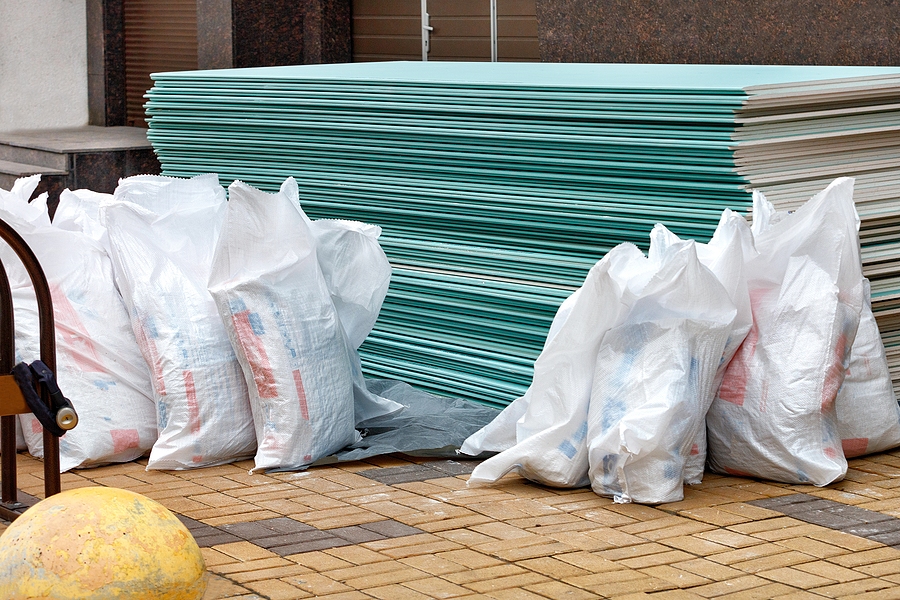
Green board drywall, commonly referred to simply as green board, is a specific type of drywall designed to withstand damp conditions. It shares the same solid gypsum core as conventional drywall but features a unique exterior.
What is Green Board Drywall?
Both the front and back paper facings of green board are treated with a special wax coating that repels moisture. The distinct seafoam green color on the front facing serves a very practical purpose. It tells you exactly which side should face outward into the room. It also acts as a visual identifier for building inspectors to confirm that moisture-resistant materials were used in appropriate areas.
Key Features and Benefits
The main benefit of green board is its ability to absorb water slowly without breaking down immediately. Traditional drywall paper easily soaks up moisture, causing the gypsum core to crumble and mold to flourish. The treated paper on green board slows this process down. At a cost of roughly $12 to $18 per standard sheet, it offers a highly cost-effective upgrade over standard drywall in humid spaces.
Advantages of Choosing Green Board Drywall
If you are planning a renovation, knowing exactly why and where to use green board will save you money and headaches in the long run.
Moisture Resistance Explained
A common misconception is that green board is entirely waterproof. It is moisture-resistant, meaning it can handle high humidity and occasional splashes. If it is submerged in standing water or exposed to a continuous, direct stream from a showerhead, the core will eventually break down.
Ideal Applications for Green Board
Because of its specific resistance levels, green board is perfect for certain rooms but inappropriate for others.
Bathrooms and Kitchens
Green board is highly recommended for bathroom walls outside of the immediate shower surround. It works beautifully behind toilets, around vanity sinks, and on ceilings where steam collects. In the kitchen, it serves as an excellent backing behind sinks and dishwashers where occasional water splashes occur.
Basements and Laundry Rooms
Laundry rooms generate a lot of heat and humidity from washers and dryers. Installing green board behind these appliances provides an extra layer of protection. It is also a smart choice for above-grade basement walls in homes with controlled humidity levels.
Preventing Mold and Mildew
Mold requires organic material and moisture to thrive. While the wax coating on green board deters water absorption, it also helps hinder the growth of mold and mildew. This keeps the air quality in your home safer and your walls looking pristine.
Why Professional Installation is Recommended
While it might be tempting to install green board yourself, its unique properties make professional installation the wiser choice.
The Challenges of DIY Installation
Green board is significantly heavier than standard drywall, with a typical half-inch sheet weighing up to 70 pounds. Handling and lifting these boards safely requires at least two people and can be physically demanding, increasing the risk of injury or damage to the material.
Ensuring a Secure and Lasting Fit
Proper installation in moisture-prone areas is critical to prevent future issues. Professional drywall contractors understand the specific requirements for green board, such as using closer screw spacing (every 12 inches) to prevent sagging and applying a setting-type joint compound that hardens properly in damp conditions. These technical details are often overlooked in DIY projects, which can compromise the board’s integrity and moisture-resistant capabilities over time.
The Importance of Correct Finishing
To achieve maximum moisture resistance, green board must be finished correctly. This includes using a high-quality, moisture-resistant primer designed to block water vapor from penetrating the wall. A professional drywaller will have the right materials and expertise to ensure the surface is perfectly sealed before painting, guaranteeing a long-lasting and protective finish that a standard DIY approach might not achieve. Trusting an expert ensures the job is done right the first time, saving you from costly repairs down the road.
Green Board vs. Other Drywall Types
Selecting the best wall material depends entirely on the specific environment of your room.
Comparing with Standard Drywall
Standard drywall costs about 20% less than green board. It is lighter and easier to maneuver, making it the perfect choice for living rooms, bedrooms, and hallways. However, using standard drywall in a damp bathroom guarantees premature failure. The small price increase for green board is a wise investment for high-humidity areas.
When to Use Green Board Over Other Options
Green board sits in the middle ground between standard drywall and fully waterproof materials.
- Use standard drywall for dry, interior rooms.
- Use green board for damp areas like laundry rooms, half-bathrooms, and kitchen backsplashes.
- Use cement board (which contains no organic paper) for direct wet areas, such as the inside of a shower stall or bathtub surround.
Common Questions about Green Board Drywall (FAQ)
Is green board waterproof?
No, it is strictly moisture-resistant. It repels high humidity and minor splashes but will fail if exposed to constant, direct water.
Can green board be used outdoors?
No. Green board has absolutely no resistance to rain or exterior weather conditions. It is manufactured strictly for interior applications.
What is the cost difference?
Green board generally costs about 20% more than standard drywall. A typical sheet of regular drywall runs between $8 and $12, while a sheet of green board costs between $12 and $18.
Ready to Upgrade Your Walls?
Protecting your home from moisture damage starts with choosing the right building materials. By utilizing green board drywall in the appropriate spaces, you can safeguard your bathrooms, kitchens, and basements against humidity and decay.
If you need professional assistance, we are here to help. For expert drywall installation and repair in Indianapolis, Indiana, request a free quote today. Our team will ensure your walls are built to last, providing peace of mind and beautiful results for years to come.
Related Post: The Ultimate Guide to Water-Resistant Drywall