Water-Damaged Drywall? Here’s When to Repair vs. Replace

The sound of dripping water inside a wall is enough to keep any homeowner awake at night. Whether it stems from a burst pipe, a leaky roof, or a humid summer that overwhelmed your HVAC system, water intrusion is a serious issue that requires immediate attention. It isn’t just about unsightly stains; moisture trapped in your walls can compromise the structural integrity of your home and creates the perfect breeding ground for mold.

While your instinct might be to grab a bucket and some towels, the damage often goes deeper than the surface. Drywall acts like a sponge, wicking moisture upward and retaining it long after the initial spill is cleaned up. Understanding the severity of the damage and knowing when to call in a professional is crucial for protecting your investment and your health.

Call 317-269-7319 for Water Damaged Drywall Repair in Indianapolis
Call 317-269-7319 for Water-Damaged Drywall Repair in Indianapolis

Assessing the Damage: Signs You Can’t Ignore

Before you can decide on a course of action, you need to understand the extent of the problem. Drywall is a porous material made of gypsum plaster sandwiched between two sheets of thick paper. When this material gets wet, it loses its structural strength quickly.

The 48-Hour Window

Time is your enemy when dealing with water damage. According to the EPA, mold can begin to grow on damp surfaces within 24 to 48 hours. If the drywall has been wet for longer than two days, it is generally safer to assume that mold growth has begun, even if you can’t see it yet.

Visual and Tactile Clues

To evaluate the state of your walls, look for these common indicators:

  • Discoloration: Water stains often appear as yellow or brown rings.
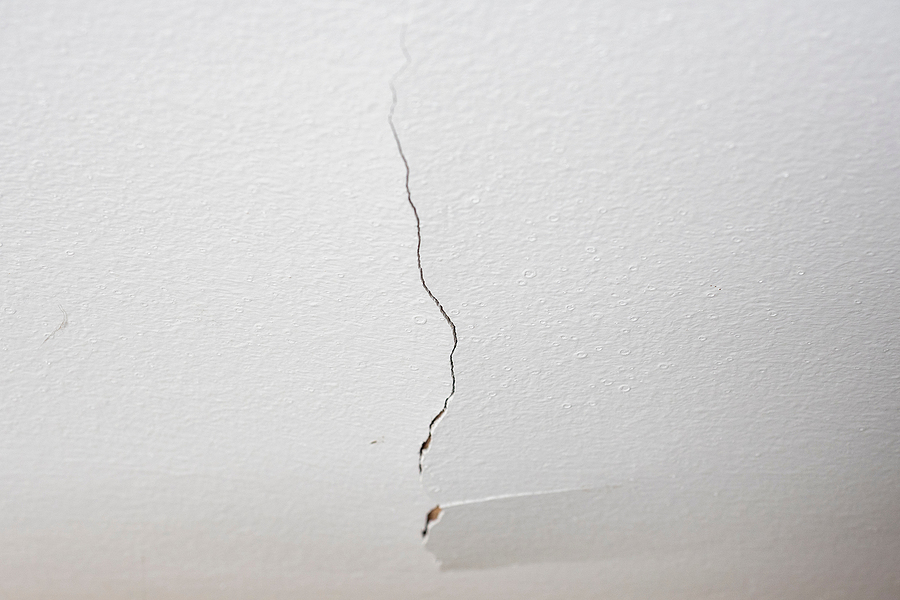
  • Texture Changes: Bubbling, peeling paint, or wallpaper that is lifting at the seams are clear signs of moisture behind the surface.
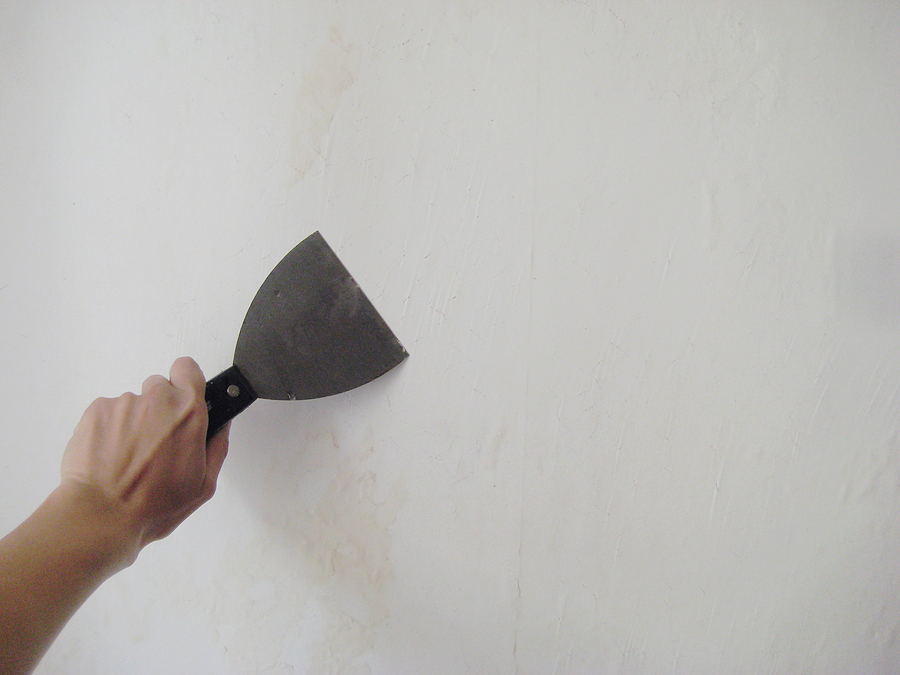
  • The “Press Test”: Gently press on the affected area with your finger. Drywall should be firm. If it feels soft, spongy, or leaves an indentation, the gypsum core has dissolved, and the panel needs to be replaced.
  • Visible Mold: If you see black, green, or white clusters, do not disturb the area, as this can release spores into the air.

The Hidden Danger of Insulation

It is not just the drywall you need to worry about. If your walls are insulated, the problem is likely compounded. The Department of Housing and Urban Development (HUD) warns that wet fibrous insulation holds water and impedes drying. If the insulation behind your drywall is wet, it cannot be saved and must be removed to prevent wood decay and persistent mold issues inside the wall cavity.

Why Professional Repair is Essential

In an era of DIY tutorials, it is tempting to view drywall replacement as a weekend project. However, water damage remediation involves complexities that go far beyond patching a hole. Attempting to fix this yourself can lead to long-term structural issues and serious health risks.

Avoiding Hazardous Materials

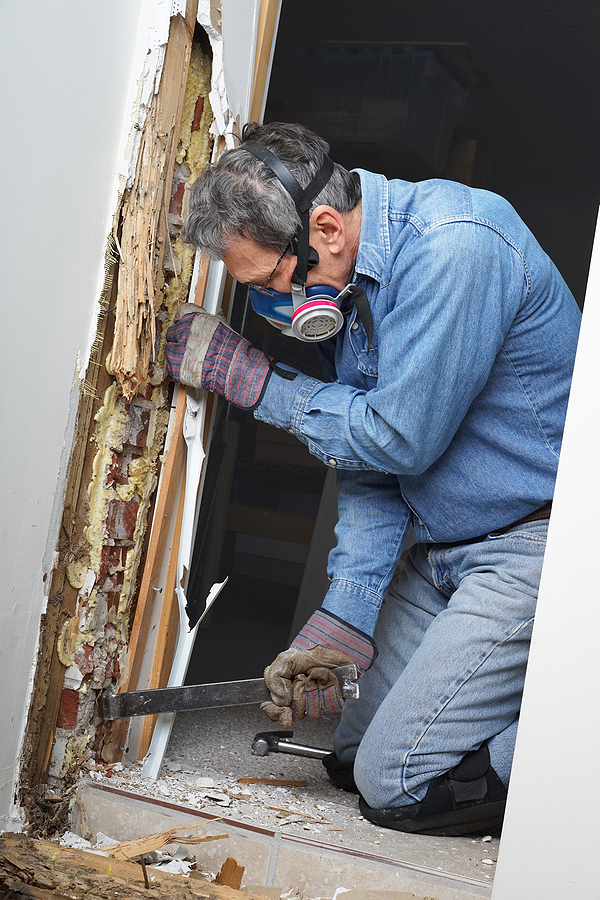
If your home was built before 1980, the joint compound used to finish your drywall may contain asbestos. Furthermore, homes built prior to 1978 often contain lead-based paint. Disturbing these materials without proper containment and personal protective equipment (PPE) can release toxic dust into your home. Professional remediation teams are trained to test for these hazards and remove materials safely, following strict safety guidelines to protect your family.

Preventing Mold Spread

One of the biggest risks of DIY removal is cross-contamination. Tearing out moldy drywall without setting up a containment zone (using plastic sheeting and negative air pressure) can send millions of mold spores flying into your HVAC system and other rooms. The EPA advises that if a moldy area covers more than 10 square feet, a professional should handle the cleanup to ensure the contamination is fully contained.

Ensuring Structural Integrity

Professionals know exactly how much drywall to remove. A general rule of thumb from FEMA is to remove drywall at least 12 inches above the water line. This ensures that any material that may have wicked moisture upward is removed. Professionals also have the moisture meters and infrared cameras necessary to verify that the wooden studs behind the wall are completely dry before new drywall is installed—a step often skipped by DIYers, leading to rot behind brand-new walls.

Book a Free Drywall Repair Estimate Right Now

Scheduling Service: What to Look For

When you are ready to hire a professional, diligence is key. You need a contractor who understands both the construction aspect of drywall and the science of water damage restoration.

Check for Certification

Look for professionals who hold certifications from the Institute of Inspection, Cleaning and Restoration Certification (IICRC). This non-profit organization sets the standards for the inspection, cleaning, and restoration industries. A technician with IICRC certification has been trained in the latest methods for safe mold remediation and structural drying.

Verify Insurance and Licensing

Ensure the company carries liability insurance and workers’ compensation. This protects you in case of accidental damage to your property or injury to a worker during the project. Additionally, check regarding local building codes. While some minor repairs might be exempt, structural work often requires specific permits.

In Indiana, for example, even if a project is exempt from state filing, local permits are often still required. A reputable contractor will handle the permitting process for you.

Prevention Tips: Protecting Your Home

Once your walls are restored, the goal is to prevent history from repeating itself. While you cannot control the weather, you can fortify your home against moisture intrusion.

  • Manage Exterior Drainage: Ensure your gutters and downspouts are clear and direct water at least five feet away from your foundation.
  • Control Humidity: The EPA recommends keeping indoor humidity between 30 and 50 percent. Using a dehumidifier during humid months can prevent condensation from forming on cold walls.
  • Maintain Plumbing: Regularly check under sinks and around appliances for slow leaks. Catching a drip early can save you thousands of dollars in drywall work later.
  • Sump Pump Maintenance: If you have a basement, test your sump pump regularly, especially before the rainy season, to ensure it is functioning correctly.

Conclusion

Water damage is a time-sensitive issue that demands a professional response. The risks associated with improper drying—ranging from structural rot to hazardous mold growth—are simply too high to leave to chance. By understanding the signs of damage and prioritizing professional remediation, you ensure that your home remains a safe, healthy environment for your family.

If you suspect water damage in your walls, do not wait for the problem to worsen. Acting fast is the best way to minimize damage and costs.

If you are located in the Indianapolis area and are concerned about soft walls, stains, or potential water damage, we are here to help. Contact Us Today to schedule a free drywall repair assessment. Our team will evaluate the extent of the damage and provide a clear plan to restore your home to its original condition.

Schedule Your Free Assessment

Related Post: Detecting Water Damage in the Home: Signs, Solutions, and Prevention

Fire-Resistant Drywall: Essential Indiana Fire Code Requirements

Building a home or renovating a commercial space involves hundreds of decisions, from selecting paint colors to choosing the right flooring. However, few decisions are as critical as those involving safety. While aesthetics often take center stage in design conversations, the materials hiding beneath the surface—specifically your drywall—play a vital role in protecting your property and the people inside it.

Fire-resistant drywall acts as a passive fire protection measure. Unlike active systems like sprinklers or alarms that react to a fire, passive systems are built into the structure itself to contain the spread of flames, smoke, and heat. In Indiana, specific building codes mandate where this specialized material must be used. Understanding these requirements isn’t just about passing an inspection; it is about creating a safer environment and gaining precious time in the event of an emergency.

This guide explores the specifics of the Indiana Fire Code regarding fire-resistant drywall, where it needs to be installed, and why professional installation is non-negotiable for safety compliance.

Call 317-269-7319 for Fire-Resistant Drywall Installation in Indianapolis

Understanding the Indiana Fire Code

The Indiana Residential Code (IRC) and the Indiana Fire Code set the standards for construction safety across the state. These regulations are designed to slow the spread of fire between distinct areas of a building, particularly between a garage and a living space, or around mechanical rooms.

Garage Separation

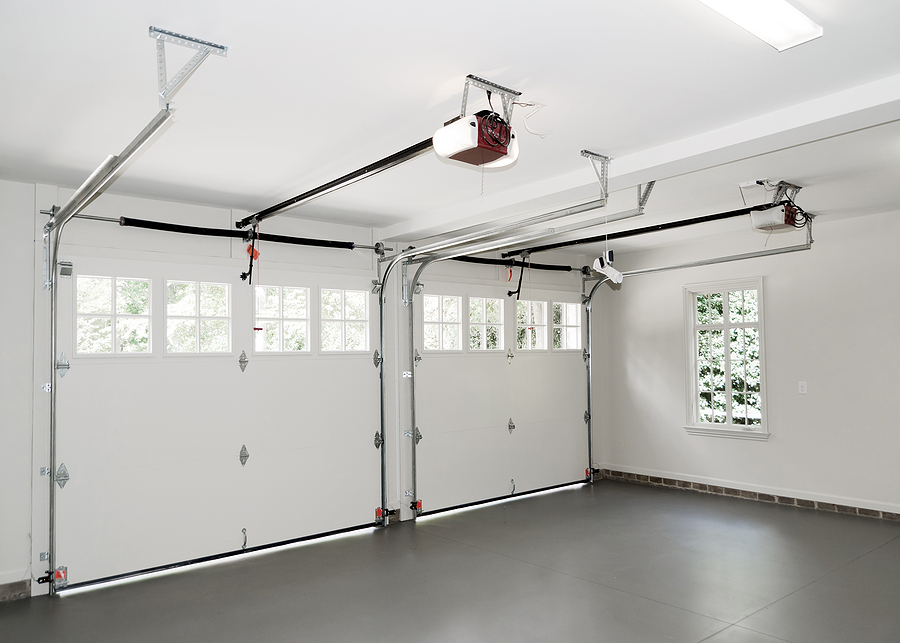
The most common requirement for fire-resistant drywall in residential homes involves the attached garage. Cars, lawnmowers, and stored chemicals make garages high-risk areas for fires. The code generally requires separation to prevent a garage fire from immediately engulfing the living quarters.

  • Residence and Garage Separation: The wall separating the garage from the residence usually requires not less than 1/2-inch gypsum board applied to the garage side.
  • Habitable Rooms Above Garages: If you have a bedroom or living space directly above the garage, the ceiling of the garage typically requires 5/8-inch Type X gypsum board or equivalent to provide a higher fire resistance rating.
  • Structural Elements: Garages located beneath habitable rooms must also have their supporting structures (beams, columns) protected by not less than 1/2-inch gypsum board.

Furnace and Mechanical Rooms

Furnace rooms, utility closets, and areas housing heating equipment are other focal points for fire safety. Because these appliances generate heat and use combustible fuels (like natural gas or oil), they pose an inherent risk.

While specific requirements can vary based on the type of building (commercial vs. residential) and the specific equipment installed, it is standard practice—and often code—to enclose these rooms with fire-rated assemblies. This containment ensures that if a furnace malfunctions and sparks a fire, the flames are contained within that room long enough for occupants to escape.

Types of Fire-Resistant Drywall

Not all drywall is created equal. Standard drywall consists of a gypsum core sandwiched between paper. While gypsum is naturally fire-resistant because it contains water in its crystalline structure (which releases as steam when heated), standard sheets will eventually crumble during a fire. To meet stricter safety codes, manufacturers produce specialized boards.

Type X Drywall

This is the industry standard for fire-rated drywall. It is typically 5/8-inch thick and includes glass fibers mixed into the gypsum core. These fibers act as a net, holding the gypsum together even as the water within it evaporates due to high heat.

  • Performance: A wall built with Type X drywall on each side of the studs typically provides a one-hour fire rating. This means the assembly can resist the passage of fire for at least one hour.
  • Use Cases: Common in garages, furnace rooms, and load-bearing walls.

Type C Drywall

Type C is an advanced version of Type X. It contains more glass fibers and a specialized core formulation that resists shrinkage during a fire.

  • Performance: Type C boards often provide longer fire resistance ratings (up to 2-4 hours depending on the assembly) and can be thinner (1/2-inch) while still offering superior protection compared to standard Type X.
  • Use Cases: Often used in ceiling applications where the board must hold its own weight while exposed to fire, or in multi-family housing separations.

Moisture and Mold Resistant Fire-Rated Board

In areas like basements or garages where humidity fluctuates, you may need a product that fights both fire and moisture. These boards combine the fire-resistive properties of Type X with a treated core and facer to prevent mold growth.

Request a Free Drywall Installation Assessment in Indy

The Importance of Professional Installation

You might purchase the correct 5/8-inch Type X drywall, but if it is installed incorrectly, its fire rating is compromised. Fire-resistant assemblies are systems, not just materials. The effectiveness of the wall relies on how the board is attached, taped, and finished.

Hiring a professional drywall company is crucial for several reasons:

  • Fastener Spacing: Codes specify exactly how far apart screws or nails must be. If fasteners are spaced too widely, the drywall may sag or fall away prematurely during a fire, allowing flames to breach the wall cavity.
  • Seaming and Taping: Fire can penetrate even the smallest gaps. Professionals ensure that all joints are properly taped and sealed with joint compound. This creates a monolithic barrier that smoke and heat cannot easily bypass.
  • Penetrations: Pipes, wires, and ducts often pass through fire-rated walls. These penetrations are weak points. A professional knows how to use fire-stopping sealants and collars to maintain the integrity of the fire rating around these openings.
  • Inspection Compliance: Professional contractors are familiar with local Indiana amendments to the building code. They ensure the work passes inspection the first time, avoiding costly rework or potential fines.

Benefits of Using Fire-Resistant Drywall

Beyond the obvious requirement of following the law, installing fire-resistant drywall offers tangible benefits for homeowners and building managers.

  • Life Safety: This is the primary benefit. By containing a fire to a specific room (like the garage) for 30 minutes or an hour, you buy valuable time for your family to evacuate and for the fire department to arrive.
  • Property Protection: Containing a fire limits physical damage. A fire that starts in a furnace room and is held there by Type X drywall might destroy the furnace, but it could spare the rest of the house’s structure.
  • Sound Control: The denser core and added thickness of Type X drywall (5/8-inch vs. standard 1/2-inch) provide better sound dampening. This is a welcome side effect for walls separating a noisy garage or mechanical room from a quiet living room.
  • Insurance Premiums: Many insurance companies view fire-resistant materials favorably. Ensuring your home meets or exceeds current fire codes can sometimes help with insurance eligibility and rates.

Safeguarding Your Space

Fire safety is a complex interplay of materials, design, and adherence to regulations. The Indiana Fire Code establishes these rules not to make construction difficult, but to ensure that in the worst-case scenario, buildings perform in a way that saves lives. Whether it is the separation between a garage and a kitchen or the enclosure of a commercial furnace room, fire-resistant drywall is a silent sentinel standing guard against disaster.

Ensuring you have the right materials installed correctly requires expertise. It is an investment in peace of mind, knowing that the walls around you are built to protect what matters most.

Does your garage or furnace room meet current safety standards? Don’t leave your fire protection to chance. Contact Us Today for professional drywall installation and repair in Indianapolis. Our team understands local codes and ensures your project is safe, compliant, and built to last.

Call for a Free Quote

Related Post: Indiana Drywall Building Codes: Your Quick Guide for New Construction

How to Choose the Right Drywall for Your Garage

A garage remodel is more than just a new coat of paint or some shelving. The walls you choose are foundational to the room’s safety, durability, and function. While it might seem like a simple decision, selecting the right garage drywall is crucial for protecting your space from moisture, fire, and daily wear and tear.

Choosing incorrectly can lead to issues like mold growth, decreased fire safety, and costly repairs down the line. A garage isn’t just another room; it has unique conditions that demand specific materials. This guide will walk you through the different types of drywall, help you understand the key factors for your garage, and explain why a professional drywall installation is your best bet for a safe and long-lasting result.

Call 317-269-7319 for Professional Garage Drywall Service in Indianapolis

Understanding Drywall Types for Your Garage

Not all drywall is created equal. Each type is engineered to perform under different conditions, and picking the right one is the first step toward a successful garage construction or remodel.

Regular Drywall

Standard or regular drywall is the most common and budget-friendly option. It consists of a gypsum core pressed between two sheets of paper. While it works well for general interior walls, it’s not designed to handle the specific challenges of a garage environment. It offers minimal resistance to moisture, making it susceptible to mold and sagging in humid conditions.

Moisture-Resistant Drywall (Green Board)

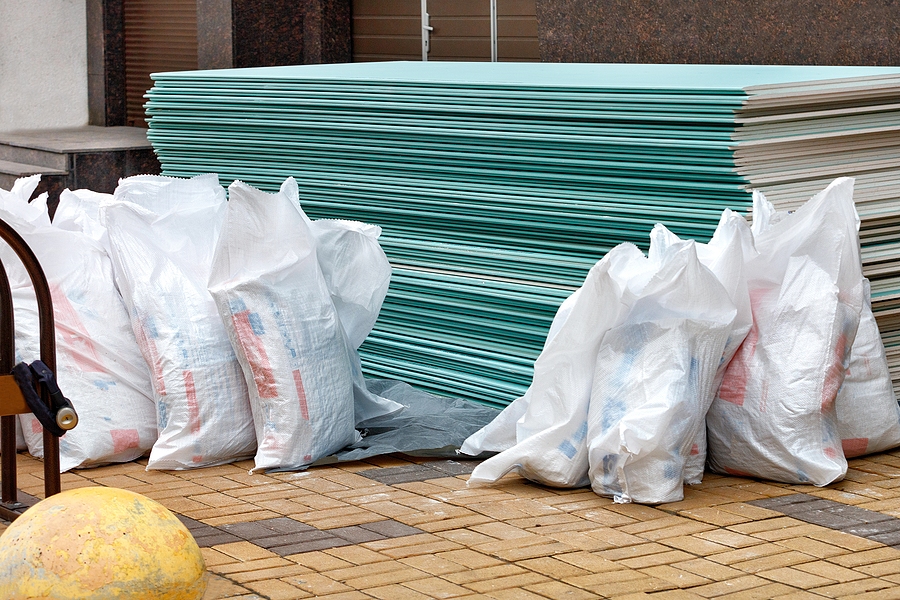
Moisture-resistant drywall, often called “green board” because of its green paper facing, is treated to resist humidity. This makes it an excellent choice for garages, which often experience higher moisture levels from cars coming in from the rain, poor ventilation, or regional climate. While it’s not completely waterproof, green board provides a significant defense against mold and mildew growth compared to regular drywall.

Fire-Resistant Drywall (Type X)

Fire-resistant drywall is a critical safety feature for any garage. Known as Type X, this drywall is thicker and contains glass fibers mixed into its gypsum core. These additives slow the spread of fire, providing crucial extra time to escape in an emergency. Many local building codes mandate the use of Type X drywall on walls and ceilings that adjoin the main living space of a house, precisely because garages often store flammable materials like gasoline, paint thinners, and propane.

Cement Board

Cement board is a heavy-duty option made from cement and reinforcing fibers. It is completely water and mold-resistant, making it ideal for garages in extremely damp climates or for walls that might be exposed to significant water. However, it’s heavier, more difficult to cut, and more expensive than other drywall types, so it’s typically used in targeted applications rather than for the entire garage.

View Our Garage Drywalling Solutions

Key Factors When Choosing Garage Drywall

Your garage’s specific conditions will determine the best drywall for your project. Consider these factors before making a purchase.

Moisture and Humidity Levels

Garages can be damp environments. If your garage has poor ventilation, is located in a humid climate, or you frequently park wet vehicles inside, moisture-resistant drywall is a wise investment. Preventing mold growth not only protects the structure of your garage but also safeguards your family’s health.

Fire Safety

Safety should always be a top priority. Because garages are common storage spots for flammable chemicals and vehicles, fire resistance is non-negotiable. At a minimum, you should install fire-resistant drywall on any wall connected to your home. Many experts and local codes recommend using it for the entire garage to maximize protection.

Durability and Impact Resistance

Garages are high-traffic areas that see a lot of action. From accidental bumps with car doors to tools leaning against the walls, the drywall needs to be tough. While standard drywall can be easily dented, you can opt for abuse-resistant or impact-resistant drywall for added durability, though these are premium, costlier options. At a minimum, using a quality 5/8-inch Type X drywall provides better durability than standard 1/2-inch sheets.

Insulation and Energy Efficiency

A garage can be a major source of energy loss, driving up your heating and cooling bills. Proper insulation behind the drywall helps maintain a more stable temperature, making the space more comfortable and energy-efficient. Pairing your chosen drywall with quality insulation is a smart move for long-term savings.

Budget

Cost is a practical consideration for any remodel.

  • Regular Drywall: This is the most affordable choice, but it may not be suitable if moisture is a concern.
  • Moisture-Resistant (Green Board): A moderate price increase for significant protection against humidity.
  • Fire-Resistant (Type X): This is often required by code and is a vital safety investment. To manage costs, you could use Type X where mandated and supplement with another type elsewhere, but be sure to check local regulations first.
  • Reclaimed Drywall: While sourcing reclaimed materials can sometimes save money, you must ensure the drywall is in good condition and meets all safety standards.

Why You Should Hire a Professional Contractor

While a DIY approach might seem tempting, garage drywall installation is a job best left to the experts. The stakes are high when it comes to fire safety and moisture protection.

Drywall contractors bring the expertise needed to navigate complex building codes and ensure your installation is compliant. A professional drywall installation guarantees that seams are properly taped and finished, fire-rated assemblies are correctly constructed, and moisture barriers are effective.

This not only enhances the safety and longevity of your garage but also results in a clean, polished finish that increases your property’s value. An experienced team can complete the project efficiently, saving you from the headaches and potential mistakes of a DIY job.

In Summary

Choosing the right garage drywall is a critical decision that impacts the safety, durability, and comfort of your home. By understanding the different drywall types and considering factors like moisture, fire safety, and durability, you can make an informed choice.

For a flawless finish and the peace of mind that comes with knowing the job is done right, always partner with reputable drywall contractors. They will ensure your garage is not only functional and beautiful but also a safe extension of your home.

Ready to start your garage remodel? Get a free, no-obligation quote from our team of drywall experts today and ensure your project meets the highest standards of safety and quality.

Call Now to Get Started

Related Post: Modern Drywall Options Choosing the Right Solution for Your Space

Drop Ceilings: What You Need to Know Before You Decide

Choosing the right ceiling solution for your space can feel overwhelming, especially when faced with so many options. Drop ceilings—also known as suspended ceilings—represent one of the most popular choices for both commercial and residential applications. These secondary ceiling systems hang below your main structural ceiling, creating a functional barrier that conceals utilities while providing aesthetic appeal.

Whether you’re a homeowner planning a basement renovation, a business owner updating office space, or a property manager maintaining building infrastructure, understanding drop ceilings is essential. These versatile systems offer unique benefits that make them attractive for many situations, but they also come with considerations that might influence your decision.

This comprehensive guide examines everything you need to know about drop ceiling installation, benefits, maintenance requirements, and costs. We’ll explore different ceiling tile types, discuss professional installation considerations, and compare drop ceilings to alternative solutions. By the end, you’ll have the knowledge necessary to determine whether drop ceilings align with your specific needs and budget.

Call 317-269-7319 for Drop Ceiling Installation in Indianapolis Indiana

Advantages of Drop Ceilings

Drop ceilings provide numerous benefits that explain their widespread popularity across various applications. These advantages make them particularly appealing for spaces requiring both functionality and aesthetic improvement.

Easy Access to Utilities

Perhaps the most significant advantage of drop ceiling systems is the convenient access they provide to utilities. Unlike traditional drywall ceilings, drop ceilings allow easy removal of individual tiles to reach wiring, plumbing, and HVAC systems. This accessibility reduces maintenance costs and simplifies future upgrades or repairs. Property managers particularly appreciate this feature, as it eliminates the need to cut into drywall when addressing utility issues.

Superior Sound Insulation

Drop ceilings excel at reducing noise transmission between floors. The air gap between the suspended ceiling and the structural ceiling creates an effective sound barrier. This acoustic benefit proves especially valuable in office buildings, apartments, and multi-story homes where noise control is essential for comfort and productivity.

Fire Resistance Properties

Many drop ceiling tiles meet strict fire safety regulations, providing crucial protection in commercial buildings. Mineral fiber tiles, for example, often carry fire-resistance ratings that help buildings comply with local safety codes. This fire resistance can potentially slow the spread of flames and provide additional escape time during emergencies.

Aesthetic Enhancement

Drop ceilings transform unsightly structural elements into clean, finished spaces. They hide exposed beams, ductwork, and wiring while creating uniform, professional appearances. The variety of available ceiling tile types allows customization to match different design preferences and architectural styles.

Disadvantages of Drop Ceilings

Despite their many benefits, drop ceilings also present certain drawbacks that require careful consideration before installation.

Reduced Ceiling Height

Drop ceiling installation typically reduces room height by 6 to 12 inches, depending on the system design and utility clearance requirements. This height reduction can make rooms feel smaller and may not suit spaces with already low ceilings. Homeowners with standard 8-foot ceilings might find this particularly problematic.

Susceptibility to Water Damage

Drop ceiling tiles are vulnerable to water damage from leaks or high humidity. Water stains are difficult to remove, and severely damaged tiles require replacement. In humid environments or areas prone to plumbing leaks, this susceptibility can lead to frequent maintenance and replacement costs.

Limited Aesthetic Options

While drop ceilings offer improvement over exposed utilities, they may not provide the sleek, seamless appearance that some design preferences require. The grid system and tile edges remain visible, creating a distinctly commercial appearance that might not suit all residential applications.

Types of Drop Ceiling Tiles

Understanding different ceiling tile types helps you select the best option for your specific needs and budget.

Mineral Fiber Tiles

Mineral fiber represents the most common drop ceiling material. These tiles offer excellent sound absorption, fire resistance, and affordability. They perform well in most environments and provide good durability for the price point. However, they’re susceptible to moisture damage and may sag over time in humid conditions.

Fiberglass Tiles

Fiberglass tiles excel in moisture resistance, making them ideal for basements, bathrooms, and other high-humidity areas. They maintain their shape better than mineral fiber tiles and resist mold growth. However, fiberglass tiles typically cost more and may have lower fire-resistance ratings.

Metal Tiles

Metal ceiling tiles provide superior durability and moisture resistance. They’re easy to clean and maintain, making them popular in commercial kitchens and healthcare facilities. Metal tiles also offer unique aesthetic options, including various finishes and textures. The primary drawbacks include higher costs and potential sound reflection issues.

Wood Tiles

Wood drop ceiling tiles create warm, natural appearances that work well in residential and hospitality settings. They provide good insulation properties and can be painted or stained to match specific design schemes. However, wood tiles require more maintenance, cost significantly more, and may not meet fire safety requirements in commercial buildings.

Contact Us for Professional Drywall Installation Today!

Ceiling Tile Installation Considerations

Proper drop ceiling installation requires careful planning and attention to detail. While some homeowners attempt DIY installation, professional installation often ensures better results and code compliance.

Planning and Measurement

Accurate measurements and planning are crucial for successful installation. The process involves determining proper ceiling height, locating utilities, and calculating tile quantities. Professional drywall contractors bring expertise in handling these calculations and can identify potential complications before they become problems.

Grid System Installation

The suspended ceiling installation process begins with mounting the perimeter tracks and installing the main grid runners. Cross tees connect to create the tile-supporting framework. This step requires precise leveling to ensure the finished ceiling appears even and professional.

Code Compliance

Professional installers understand local building codes and fire safety regulations. They ensure proper clearances around utilities, adequate ventilation, and compliance with electrical codes. This expertise helps avoid costly corrections and potential safety issues.

Suspended Ceiling Maintenance and Care

Regular maintenance significantly extends the lifespan of drop ceiling systems and maintains their appearance.

Regular Inspection

Monthly inspections help identify problems before they become serious. Look for water stains, sagging tiles, or damage from impacts. Early detection allows for prompt repairs that prevent further deterioration.

Cleaning Procedures

Clean ceiling tiles regularly using soft brushes or damp cloths to remove dust and dirt. Avoid harsh chemicals or excessive moisture, which can damage tiles. Some tile types allow washing, while others require replacement when heavily soiled.

Prompt Repairs

Replace damaged or stained tiles immediately to maintain the ceiling’s integrity and appearance. Address any water leaks or moisture issues promptly to prevent extensive damage. Keep spare tiles on hand for quick replacements.

Ventilation Management

Ensure proper ventilation to prevent moisture buildup that can damage tiles and promote mold growth. Check HVAC vents and light fixtures regularly for proper operation.

Drop Ceiling Cost Analysis

Suspended ceiling cost varies significantly based on tile materials, room size, and installation complexity.

Material Costs

Basic mineral fiber tiles start around $0.50 per square foot, while premium options can exceed $5.00 per square foot. Metal and wood tiles typically cost more than mineral fiber or fiberglass options. Grid systems add approximately $1.00 to $2.00 per square foot to material costs.

Installation Costs

Professional installation typically ranges from $2.00 to $8.00 per square foot, depending on project complexity and local labor rates. Complex layouts, utility integration, and specialty tiles increase installation costs.

Long-term Value

Despite initial costs, drop ceilings can provide long-term savings through reduced utility maintenance expenses and potential energy savings from improved insulation. The easy access to utilities can significantly reduce repair costs compared to cutting through drywall ceilings.

Alternatives to Drop Ceilings

Several alternatives offer different aesthetic and functional benefits worth considering.

Drywall Ceilings

Traditional drywall provides seamless, finished appearances but offers limited utility access. They work well in residential settings where aesthetic appeal outweighs utility accessibility needs.

Exposed Ceilings

Exposed structural elements create industrial aesthetics popular in modern design. This option costs less initially but provides no utility concealment or sound dampening.

Tray and Coffered Ceilings

These architectural features add visual interest and perceived height but require significant construction work and higher costs.

Conclusion

Drop ceiling benefits make them excellent choices for many applications, particularly where utility access and sound control are priorities. They excel in commercial settings, basements, and multi-story buildings where their practical advantages outweigh aesthetic limitations.

However, spaces requiring maximum ceiling height or seamless appearances might benefit from alternative solutions. Consider your specific needs, budget, and long-term maintenance preferences when making this important decision.

For optimal results, consult with professional drywall contractors who can assess your space, recommend appropriate materials, and ensure proper installation that meets all safety codes and regulations.

Get a Free Estimate Today from qualified professionals to explore how drop ceilings might transform your space while meeting your functional and aesthetic requirements.

Call Now to Book Service

Related Post: A Complete Guide to Suspended Ceiling Repair

Why Professional Drywall Repair Beats DIY Every Time

That hole in your living room wall might seem like a simple weekend fix, but drywall repair involves more complexity than most homeowners realize. While the appeal of saving money through DIY projects is understandable, drywall repair requires specific skills, tools, and techniques that professionals have mastered through years of experience.

Whether you’re dealing with water damage from a leaky pipe, impact damage from moving furniture, or nail pops from house settling, the quality of your repair will determine whether the problem stays fixed or becomes a recurring headache. Professional drywall repair offers homeowners a reliable solution that stands the test of time, while DIY attempts often lead to frustration, wasted materials, and the need for costly do-overs.

Understanding the differences between professional and DIY drywall repair can save you both time and money in the long run. Let’s explore why hiring a drywall repair company is often the smarter choice for achieving seamless, lasting results.

Call 317-269-7319 for Professional Drywall Repair in Indianapolis Indiana

Common DIY Drywall Mistakes That Cost Homeowners

Most homeowners underestimate the complexity of drywall repair, leading to mistakes that create bigger problems than the original damage. These errors often result in visible patches, recurring issues, and the need for complete re-work by professionals.

Improper Texture Matching

Achieving a seamless finish requires matching the existing wall texture perfectly. DIY repairs frequently result in obvious patches because homeowners struggle to replicate the original texture pattern. Whether your walls have orange peel, knockdown, or popcorn texture, each requires specific techniques and tools that most homeowners don’t possess.

Water damage from leaky pipes often creates bubbling and crumbling drywall that extends beyond the visible damage. DIY repairs typically address only the surface problem, missing underlying moisture issues that can lead to mold growth and structural damage.

Inadequate Surface Preparation

Professional drywall work begins with thorough surface preparation, including proper cleaning, priming, and ensuring the area is completely dry. DIY attempts often skip these crucial steps, resulting in poor adhesion and patches that fail over time.

Impact damage from furniture or accidental collisions might appear straightforward, but properly repairing holes requires understanding wall construction, stud location, and load-bearing considerations that DIY repairs often overlook.

Incorrect Material Selection

Different types of drywall damage require specific materials and compounds. Using the wrong joint compound, mesh tape, or patching material can result in repairs that crack, shrink, or fail to bond properly with the surrounding wall.

Nail pops and cracks due to house settling require more than simple spackling. These issues often indicate structural movement that needs professional assessment to prevent recurring problems.

Tools and Expertise: What Professionals Bring to Drywall Repair

Expert drywall work involves specialized tools and techniques that most homeowners don’t have access to or experience using. This expertise makes the difference between a repair that blends seamlessly with your existing wall and one that remains visible for years.

Specialized Equipment

Licensed drywall contractors use industrial-grade tools including pneumatic sanders, texture sprayers, and precision cutting equipment. These tools enable precise work that hand tools simply cannot match. For new construction drywall or extensive repairs, professionals have access to lifts, scaffolding, and dust collection systems that ensure both safety and quality.

Technical Knowledge

Years of experience teach professionals how to identify underlying issues that cause drywall damage. They understand building codes, moisture control, and structural considerations that impact repair longevity. This knowledge prevents small problems from becoming major issues.

High-level drywall finishing requires understanding how different compounds interact, proper drying times, and layering techniques that create smooth, durable surfaces. DIY repairs often rush these processes, resulting in visible seams and uneven surfaces.

Quality Materials and Techniques

Pros have access to commercial-grade materials and know which products work best for specific applications. They understand primer selection, compound compatibility, and finishing techniques that ensure repairs last for decades rather than months.

Contact Us Now For a Free Drywall Quote

Cost Analysis: DIY vs Professional Drywall Repair

While DIY drywall repair might seem cost-effective initially, the true cost includes materials, tools, time, and potential mistakes that require professional correction. Understanding these hidden expenses helps homeowners make informed decisions.

Upfront DIY Costs

A typical hole in the wall repair requires drywall patches, joint compound, tape, primer, paint, and various tools. First-time DIY repairs often require multiple trips to the hardware store as homeowners discover additional needed materials. Tool rental or purchase adds significant expense for repairs that might only happen once.

Hidden DIY Expenses

Failed DIY repairs frequently require complete re-work, doubling or tripling material costs. Poor surface preparation can damage surrounding wall areas, expanding the repair scope. Additionally, the time investment for DIY projects often exceeds expectations, particularly when accounting for learning curves and multiple attempts.

Dust and mess from DIY drywall repair can damage furnishings and require extensive cleanup. Professional drywalling services include proper dust containment and cleanup as part of their service.

Professional Repair Value

Professional drywall repair includes materials, labor, cleanup, and warranty protection. While the upfront cost might be higher, professionals complete repairs efficiently without the trial-and-error process that characterizes DIY attempts. Their work typically includes color-matched paint and primer, ensuring seamless blending with existing walls.

Most professional drywall installation and repair services offer warranties that protect homeowners against defects or recurring issues, providing peace of mind that DIY repairs cannot match.

Long-Term Benefits of Professional Drywall Repair

The advantages of professional drywall repair extend far beyond the immediate fix. Quality workmanship provides lasting value that DIY repairs rarely achieve.

Durability and Longevity

Professional repairs use proven techniques and quality materials that withstand normal wear and tear. Proper surface preparation, appropriate compound selection, and expert finishing create repairs that last for decades without cracking, shrinking, or becoming visible over time.

Poorly patched holes or seams from DIY attempts often result in visible lines and uneven surfaces that worsen over time. Professional repairs eliminate these issues through proper technique and quality control.

Property Value Protection

Visible drywall repairs can negatively impact property value and appeal to potential buyers. Expert repairs maintain the integrity and appearance of your walls, protecting your investment. Quality drywall finishing is particularly important in high-visibility areas where imperfections are easily noticed.

Time and Stress Savings

Licensed drywall repair eliminates the frustration, mess, and time investment required for DIY attempts. Contractors complete repairs efficiently while homeowners focus on other priorities. This time savings often justifies the cost difference, particularly for busy homeowners or complex repairs.

Health and Safety Considerations

Drywall repair involves dust, chemicals, and potential exposure to mold or asbestos in older homes. Professionals have proper safety equipment and training to handle these hazards safely. They also understand ventilation requirements and containment procedures that protect your family’s health.

Making the Right Choice for Your Home

Trained drywall repair offers homeowners reliable, lasting solutions that DIY attempts rarely achieve. While the initial investment might be higher, the combination of quality workmanship, proper materials, time savings, and warranty protection makes professional repair the smarter long-term choice.

Whether you’re dealing with water damage, impact holes, settling cracks, or failed previous repairs, professional contractors have the expertise and tools to restore your walls to like-new condition. Their work blends seamlessly with existing surfaces and stands up to years of normal use.

Don’t let drywall damage compromise your home’s appearance or value. Contact our experienced team today for a free estimate on your drywall repair needs. We’ll assess your situation and provide a comprehensive solution that restores your walls professionally and permanently.

Call Now to Request an Estimate

Related Post: DIY Drywalling vs. Professional Contractors: Making the Right Choice

Expert Tips for Soundproofing Interior Walls That Actually Work

The sound of traffic, loud neighbors, or even footsteps from upstairs can transform your peaceful home into a source of constant frustration. Whether you’re trying to create a quiet workspace, establish a home recording studio, or simply enjoy some peace in your living room, soundproofing your interior walls can make a dramatic difference in your quality of life.

Effective soundproofing isn’t just about stuffing insulation into wall cavities—it requires understanding how sound travels and implementing strategic solutions that address your specific noise challenges. With the right approach and materials, you can significantly reduce unwanted noise transmission and create the peaceful environment you deserve.

This comprehensive guide will walk you through proven soundproofing methods, from budget-friendly DIY solutions to professional-grade installations, helping you make informed decisions that deliver real results.

Call 317-269-7319 for Professional Soundproof Drywall Services in Indianapolis

Understanding Sound Transmission and Noise Types

Before diving into soundproofing methods, it’s essential to understand how sound travels through your walls. Sound transmission occurs in two primary ways: airborne transmission and structure-borne transmission.

Airborne noise includes voices, music, and television sounds that travel through air and penetrate walls through gaps, cracks, or thin materials. Structure-borne noise, such as footsteps or vibrations from appliances, travels through solid materials like studs, floors, and wall frameworks.

Different types of noise require different soundproofing approaches. High-frequency sounds like voices are generally easier to block than low-frequency sounds like bass music or machinery noise. Understanding your specific noise challenges will help you select the most effective soundproofing strategy.

Evaluating Your Walls and Identifying Problem Areas

Start your soundproofing project with a thorough assessment of your space. Walk through each room and identify where noise enters most prominently. Pay attention to shared walls with neighbors, walls adjacent to high-traffic areas, and any walls that feel particularly thin when tapped.

Conducting a Sound Test

Work with a partner to play sounds in adjacent rooms while you listen against different sections of your walls. This simple test helps pinpoint weak spots where sound transmission is strongest. Look for gaps around electrical outlets, light switches, and where walls meet ceilings or floors—these areas often allow significant sound leakage.

Check for visible cracks, gaps, or holes in your walls, as even small openings can compromise soundproofing effectiveness. Document these problem areas to prioritize your soundproofing efforts where they’ll have the greatest impact.

Popular Soundproofing Materials and Methods

Successful soundproofing projects require specific materials designed for noise control. Here’s some to consider:

  • QuietRock: A specialized soundproof drywall that incorporates dampening polymers
  • QuietWood: Dense fiberboard panels that add mass to walls
  • QuietCoat: A sound-dampening coating that can be applied over existing surfaces
  • Mass-loaded vinyl (MLV) for adding density without bulk
  • Acoustic sealant for filling gaps and cracks

Adding Mass to Your Walls

One of the most effective soundproofing principles involves adding mass to your walls. Heavier walls are naturally better at blocking sound transmission.

QuietWood offers an excellent balance of performance and affordability. These dense fiberboard panels can be installed directly over existing drywall, adding significant mass without requiring wall demolition. Cut panels to fit your wall dimensions, leaving small gaps at edges that can be sealed with acoustic caulk.

Install QuietWood panels using construction adhesive and screws driven into wall studs. This method typically costs between $2-4 per square foot and can reduce noise transmission by 10-15 decibels.

Decoupling Techniques

Decoupling involves creating separation between wall surfaces to prevent vibrations from transferring through solid connections. This advanced technique is particularly effective for structure-borne noise.

Install resilient metal channels horizontally across wall studs, then attach new drywall to these channels rather than directly to studs. This creates a floating wall system that significantly reduces vibration transfer. While more complex than simple mass-adding techniques, decoupling can provide superior soundproofing results.

Request a Free Drywall Service Assessment Today!

Strategic Drywalling with QuietRock

QuietRock represents a premium soundproofing solution that combines mass and dampening technology in a single product. This specialized drywall contains viscoelastic polymers that absorb sound energy and prevent it from transmitting through walls.

QuietRock installation follows similar procedures to standard drywall but requires careful attention to sealing all edges and penetrations. Use acoustic sealant around all joints, outlets, and fixtures. While QuietRock costs more than standard drywall—typically $40-60 per sheet—its superior performance can eliminate the need for additional soundproofing layers.

Addressing Common Soundproofing Challenges

Budget Constraints and Cost-Effective Solutions

Not every soundproofing project requires expensive materials. QuietCoat provides an affordable option for targeted noise reduction. This sound-dampening coating can be applied with standard painting techniques and offers noticeable improvement for around $1-2 per square foot.

Prioritize your most problematic areas first. Often, treating 20% of your wall surface can eliminate 80% of your noise issues. Focus on shared walls and areas where noise transmission is strongest.

DIY Skills and Professional Installation

Start with simpler projects like applying QuietCoat or installing acoustic panels before attempting advanced techniques like decoupling. Many homeowners successfully complete basic soundproofing projects, but complex installations benefit from professional expertise.

Consider hiring professionals for structural modifications or when working with expensive materials like QuietRock. A consultation with a soundproofing contractor typically costs $100-200 but can prevent costly installation mistakes.

Material Selection and Performance

Research materials thoroughly before purchasing. While QuietRock provides excellent performance, proper installation is crucial for optimal results. Similarly, budget-friendly options like QuietWood can deliver significant improvements when installed correctly.

Compare material specifications and read reviews from other users facing similar noise challenges. Consider consulting with suppliers who can recommend appropriate materials for your specific situation.

Legal Considerations and Building Codes

Before beginning any soundproofing project, check local building codes for requirements regarding wall modifications. Some areas have specific regulations about adding mass to walls or altering structural elements.

If you live in a homeowner’s association (HOA) community, review guidelines regarding interior modifications. While most soundproofing work occurs inside your walls, some associations have restrictions on construction activities or material storage.

Fire Safety and Ventilation

Ensure all soundproofing materials meet fire safety requirements for your area. Some mass-loaded vinyl products may not be suitable for certain applications due to fire codes. Additionally, consider ventilation requirements when sealing walls extensively—maintaining proper air circulation is essential for health and building integrity.

Transform Your Space with Professional Results

Effective soundproofing can dramatically improve your living or working environment, reducing stress and increasing comfort in your daily life. Whether you choose budget-friendly solutions like QuietCoat or invest in premium materials like QuietRock, understanding sound transmission principles and implementing strategic solutions will deliver lasting results.

Remember that soundproofing is often a combination of techniques rather than a single solution. Start with identifying your specific noise challenges, then implement appropriate methods that fit your budget and skill level. With proper planning and execution, you can create the peaceful environment you deserve.

Ready to start your soundproofing project? Professional installation can ensure optimal results and prevent costly mistakes. Request a drywall service quote today to explore your soundproofing options and get expert guidance tailored to your specific needs.

Place Your Call Now

Related Post: Best Removable Wall Adhesives on the Market

DIY Drywalling vs. Professional Contractors: Making the Right Choice

Home renovation projects often present homeowners with a crucial decision: tackle the job yourself or hire professionals. When it comes to drywall installation and finishing, this choice becomes particularly significant. Drywall work forms the foundation of your room’s appearance and structural integrity, making the quality of installation essential for both aesthetics and long-term durability.

Understanding the true costs, time commitments, and potential risks associated with DIY drywalling versus hiring drywall contractors will help you make an informed decision that aligns with your budget, timeline, and quality expectations. While the allure of saving money through DIY projects is understandable, drywall work requires specific skills, tools, and experience that can significantly impact your project’s outcome.

This comprehensive comparison will examine every aspect of both approaches, helping you determine when DIY drywalling makes sense and when professional service becomes the smarter investment.

Call 317-269-7319 to Speak With Our Professional Drywall Contractors in Indianapolis

Drywall Work: DIY Versus Professional Service

DIY Drywalling: The Real Picture

Advantages of DIY Drywall Work

Taking on your own drywall project offers several appealing benefits. The most obvious advantage is potential cost savings on labor, as material costs typically range from $50 to $200 per room. You’ll also have complete control over your timeline, working at your own pace without coordinating contractor schedules.

DIY drywalling can provide personal satisfaction and skill development. Many homeowners find fulfillment in completing their own drywall installation, gaining valuable experience for future projects. You’ll also have the flexibility to make changes or adjustments as you work, without additional labor charges.

Challenges and Drawbacks of DIY

However, DIY drywalling comes with significant challenges that extend beyond the initial material costs. You’ll need to invest in specialized tools including drywall lifts, sanders, joint compound applicators, and safety equipment. These tool costs can quickly add up, potentially eliminating much of your anticipated savings.

The learning curve for proper drywall finishing is steep. Achieving smooth, professional-looking walls requires mastering techniques for taping seams, applying joint compound, and sanding to perfection. Common DIY mistakes include incorrectly taped seams leading to visible cracks and over-sanding drywall compound resulting in uneven surfaces.

Safety concerns also arise with DIY drywall work. Handling large, heavy sheets poses injury risks, while improper installation techniques can create structural issues or conditions conducive to mold growth.

Professional Drywalling: Expert Results

Benefits of Hiring Drywall Contractors

Professional drywall contractors bring expertise that translates into superior results. Their experience allows them to handle complex situations, achieve perfectly smooth finishes, and complete projects efficiently. Professional drywall installation typically costs $2 to $4 per square foot, give or take, inclusive of labor and materials, with detailed upfront quotes that minimize cost surprises.

Quality assurance represents a major advantage of professional service. Contractors carry insurance coverage and typically guarantee their work, protecting you from potential issues. Their specialized tools and techniques ensure proper installation that meets building codes and industry standards.

Professional contractors can also identify and address potential problems before they become costly issues. Their expertise extends beyond basic drywall work to include proper insulation, vapor barriers, and structural considerations that DIY projects might overlook.

Potential Drawbacks

The primary disadvantage of hiring professionals is the higher upfront cost compared to DIY material expenses. You’ll also need to coordinate scheduling with contractors, potentially affecting your project timeline. Some homeowners prefer maintaining complete control over their renovation process, which requires compromising when working with contractors.

Contact Us for a Free Drywall Quote

Detailed Comparison: Making the Numbers Work

Cost Analysis

While DIY material costs appear attractive at $50 to $200 per room, this figure doesn’t include tool purchases, potential material waste, or costs associated with correcting mistakes. Hidden expenses often emerge when DIY projects require professional intervention to fix errors.

Professional drywall work provides transparent pricing at $2 to $4 per square foot, more or less. This comprehensive cost includes materials, labor, tools, and expertise. When factoring in time value and potential mistake costs, professional service often proves more economical than initially apparent.

Time Investment Comparison

DIY drywall projects frequently take weeks or months to complete, especially for inexperienced homeowners. This timeline includes research, preparation, actual installation, finishing work, and potential rework to correct mistakes. The time investment extends beyond active work hours to include learning proper techniques and troubleshooting problems.

Qualified contractors typically complete drywall work in just a few days. Their efficiency stems from experience, proper tools, and streamlined processes. This time savings allows you to focus on other priorities while ensuring timely project completion.

Quality Considerations

Professional drywall finishing consistently delivers superior results. Contractors achieve seamless finishes that enhance both appearance and property value. Their work creates the perfect foundation for paint, wallpaper, or other wall treatments.

DIY quality varies significantly based on skill level and experience. Even with careful attention, amateur work often shows visible imperfections that become more apparent over time. These quality issues can affect your home’s resale value and require future professional correction.

Risk Assessment

DIY drywalling carries multiple risk factors including improper installation leading to structural issues, safety hazards during installation, and potential for mold growth due to incorrect moisture barrier installation. These risks can result in expensive corrections and health concerns.

Professional installation minimizes these risks through expertise, proper techniques, and insurance coverage. Any issues that arise are typically covered by the contractor, ensuring satisfactory resolution without additional costs to you.

When to Choose DIY vs. Professional Service

DIY Makes Sense When:

Consider DIY drywalling for small repair projects, single accent walls, or situations where you have previous experience and proper tools. If you’re comfortable with the extended timeline and potential for imperfect results, DIY can work for non-critical areas like storage rooms or garages.

DIY also makes sense when budget constraints are severe and you’re willing to invest significant time in learning proper techniques. However, ensure you understand the full scope of required tools and materials before committing to the DIY approach.

Professional Service Is Best When:

Choose licensed drywall contractors for large-scale projects, rooms requiring perfect finishes like living areas or bedrooms, and situations where timing is critical. Professional service becomes essential for commercial spaces, areas requiring special moisture considerations like bathrooms, or projects involving structural modifications.

If your time is valuable or you lack experience with drywall work, professional installation provides better value despite higher upfront costs. The expertise and efficiency of professional contractors often justify the investment through superior results and time savings.

Wrapping Up

Choosing between DIY drywalling and professional contractors ultimately depends on your specific situation, skills, and priorities. While DIY projects offer potential savings and personal satisfaction, professional drywall work provides superior quality, efficiency, and peace of mind.

For most homeowners, the expertise, tools, and insurance coverage that professional drywall contractors provide make them the smarter choice. The initial investment in professional service often proves more economical when considering time savings, quality results, and risk mitigation.

Ready to ensure professional quality for your drywall project? Contact Us Today for a free estimate and discover how our experienced team can transform your space while avoiding the common pitfalls of DIY installation. Let us handle the technical challenges while you enjoy perfect, lasting results.

Call Now to Book Your Quote

Related Post: Why Hiring Professional Drywall Contractors Are Worth Every Penny

Unexpected Costs of Drywall Installation: What You Need to Know

Planning a home renovation or new construction project can be an exciting venture. One of the most common materials you’ll encounter is drywall, which forms the smooth, paint-ready walls and ceilings in modern homes. While it seems straightforward, the cost of drywall installation can sometimes spiral beyond the initial quote. Understanding these potential hidden renovation expenses is key to effective home improvement budgeting.

This guide will walk you through the typical costs associated with drywall installation and, more importantly, shed light on the unexpected expenses that can arise. By being well-informed, you can ensure your project stays on track and within budget, whether you’re a homeowner, property manager, or real estate investor.

Call 317-269-7319 for Professional Drywall Installation in Indianapolis

Breaking Down the Initial Drywalling Costs

Before we explore the hidden expenses, let’s establish a baseline for what a standard drywall installation costs. These figures are typically what a contractor will quote you upfront and are broken down into two main categories: materials and labor.

Material Costs

The primary material is, of course, the drywall itself. Drywall sheets come in various sizes and thicknesses, but a standard 4×8 foot sheet is most common.

  • Average Drywall Material Cost: You can expect to pay between $13 and $16 per sheet for standard drywall.
  • Other Supplies: This includes screws, joint compound (mud), tape, and corner beads. While these are less expensive per item, they add up across an entire project.

Labor Costs

Hiring a professional drywaller is often the largest part of the budget. Their expertise ensures a smooth, seamless finish that’s difficult for a DIYer to achieve.

  • Typical Labor Cost: Labor is usually charged per square foot of drywall installed, ranging from $2 to $4 per square foot.
  • Job Complexity: This rate covers hanging the drywall sheets, taping the seams, applying multiple coats of joint compound, and sanding for a paint-ready surface.

Keep in mind that these costs can fluctuate. Urban areas often have higher labor rates due to a higher cost of living and greater demand. Similarly, remote locations might see increased costs due to the transportation of materials and labor.

Common Unexpected Costs of Drywall Installation

This is where budgets can get derailed. Hidden issues and project complexities are the primary sources of unexpected drywalling costs. Being aware of these possibilities allows you to build a contingency fund into your home improvement budgeting.

Hidden Structural or Water Damage

One of the most significant hidden renovation expenses is discovering damage after the old walls come down.

  • Mold Remediation: If moisture has been an issue, you may find mold growing on studs or insulation. Safely removing it is crucial for your family’s health and can cost anywhere from $500 to $2,000, depending on the extent of the problem.
  • Rotten Wood or Pest Damage: Termites, carpenter ants, or wood rot can compromise the structural integrity of your walls. Replacing damaged studs and framing is an essential but unplanned expense.
  • Outdated Electrical and Plumbing: Opening walls might reveal old, unsafe wiring or leaking pipes that need immediate attention from a licensed electrician or plumber, adding significant costs to your project.

Complex Room Layouts and Features

Not all walls are simple, flat surfaces. Architectural features can increase both the time and skill required for installation.

  • Curved Walls and Arches: These features require specialized techniques and flexible drywall materials, which can increase the drywall installation cost by 20-30% for those specific areas.
  • High Ceilings and Skylights: Working at heights requires extra scaffolding and safety precautions. The intricate cuts needed around features like skylights also add to the labor time.
  • Numerous Windows and Doors: Each opening requires precise cutting and finishing around the edges, which is more labor-intensive than working on a large, uninterrupted wall.

Necessary Upgrades and Code Compliance

Sometimes, a basic drywall installation isn’t enough. You might need or want to upgrade for better performance or to meet local regulations.

  • Soundproofing: If you’re building a home theater, office, or simply want to reduce noise between rooms, you’ll need sound-dampening drywall or additional insulation. This can add $1 to $2 per square foot to your material costs.
  • Moisture-Resistant Drywall: For bathrooms, basements, and laundry rooms, moisture-resistant drywall (often called “green board”) is essential to prevent mold growth. It’s slightly more expensive than standard drywall.
  • Building Code Requirements: Certain areas with strict building codes, especially for fire safety, may mandate the use of more expensive, fire-resistant drywall (Type X). This is common in garages and multi-family dwellings.

Request a Free Drywall Install Evaluation!

How to Avoid Unexpected Drywalling Costs

While you can’t predict every issue, proactive planning can save you a lot of money and stress. Here are some tips to keep your drywall installation project on budget.

Plan and Budget Meticulously

A detailed plan is your best defense against surprise costs.

  • Accurate Measurements: Carefully measure the square footage of your walls and ceilings. A professional drywaller can help with this to ensure you buy the right amount of material without excessive waste.
  • Build a Contingency Fund: A rule of thumb in home improvement budgeting is to set aside an extra 10-20% of your total estimated cost for unforeseen issues. If you don’t use it, great! But if you need it, you’ll be glad it’s there.

Hire the Right Professional Drywaller

Your contractor is your partner in this process.

  • Get Multiple Quotes: Don’t just go with the first estimate. Get detailed quotes from at least three reputable contractors. Ensure the quotes are itemized so you can compare materials, labor, and other fees.
  • Check References and Reviews: A reliable drywall contractor will have a portfolio of past work and positive reviews. Ask for references and follow up with them.
  • Insist on a Thorough Inspection: Before providing a final quote, a good contractor should inspect the area, looking for potential issues like signs of water damage or unusual wall structures.

Get Everything in Writing

A clear, detailed contract protects both you and the contractor. It should outline the full scope of work, a payment schedule, the estimated timeline, and a process for handling change orders if unexpected issues arise.

Frequently Asked Questions

How can I accurately measure my walls for drywall installation to avoid material waste?

To measure, calculate the square footage of each wall (length x height) and ceiling (length x width). Add these totals together. Subtract the area of large openings like doors and large windows. A professional can provide the most accurate measurement and account for waste from cuts.

What are the most common signs of hidden damage I might find?

Look for discolored stains on existing walls (a sign of water leaks), a musty smell (indicating mold), soft or crumbling wood, and evidence of pests like small holes in the wood or droppings.

How do I find a reliable drywall contractor in my area?

Start by asking for recommendations from friends or local hardware stores. Use online services to check reviews and ratings. Always verify that they are licensed and insured before hiring.

Are there any eco-friendly or sustainable drywall options available?

Yes, some manufacturers offer drywall made from recycled materials or synthetic gypsum, which is a byproduct of industrial processes. These options can contribute to a healthier indoor environment and reduce your project’s environmental impact.

What permits do I need for drywall installation in my city/state?

Permit requirements vary widely. For minor repairs, a permit is usually not needed. However, for new construction or major renovations that involve altering the structure of your home, a building permit is often required. Check with your local municipal building department for specific rules in your area.

Conclusion

Embarking on new construction drywall or a major renovation is a significant investment. While the smooth, finished walls are a rewarding outcome, the journey there can be filled with financial pitfalls if you aren’t prepared. By understanding the baseline drywalling costs and anticipating potential hidden expenses, you can create a realistic budget that won’t leave you stressed.

Thinking about your next project? Taking the time to plan, hire a trusted professional drywaller, and budget for the unexpected will ensure your drywall installation is a success from start to finish.

Are you ready to gain a clear and detailed understanding of your project’s overall cost? Contact us today for a free estimate on drywall installation and repair in Indianapolis, Indiana.

Call Now for a Free Estimate

Related Post: Why Hiring Professional Drywall Contractors Are Worth Every Penny

Indiana Drywall Building Codes: Your Quick Guide for New Construction

Building a new home or commercial structure in Indiana means navigating a complex web of building codes and regulations. Among these requirements, drywall installation standards play a crucial role in ensuring your project meets safety, fire resistance, and structural integrity requirements. Understanding these codes before you begin construction can save you time, money, and potential headaches during the inspection process.

Whether you’re a general contractor managing multiple projects or a homeowner overseeing your dream home construction, knowing Indiana’s drywall building codes is essential for a successful project. The consequences of non-compliance extend beyond failed inspections—they can impact occupant safety, insurance coverage, and your property’s long-term value.

This comprehensive guide will walk you through Indiana’s specific drywall requirements, helping you understand what inspectors look for and how to avoid common pitfalls that derail construction timelines.

Call 317-269-7319 for New Construction Drywall Installation in Indianapolis

Understanding Indiana’s Drywall Code Requirements

Indiana’s drywall installation standards are governed by several key regulations that work together to ensure safe, durable construction. The Indiana Building Code (IBC) serves as the foundation for commercial and multi-family residential projects, outlining general construction requirements that affect drywall placement and installation methods.

For single-family homes and smaller residential projects, the Indiana Residential Code (IRC) provides specific guidelines for drywall thickness, spacing, and attachment methods. These codes mandate minimum standards for different areas of the home, with special attention to moisture-prone areas like bathrooms and kitchens.

Material Standards and Specifications

The Gypsum Association Standards GA-216 and GA-214 complement Indiana’s building codes by establishing industry benchmarks for drywall installation quality. GA-216 covers application and finishing techniques, while GA-214 focuses on recommended levels of finish quality for different surface types.

Standard drywall thickness requirements vary by application:

  • Interior walls typically require 1/2-inch drywall
  • Ceilings often need 5/8-inch drywall for fire resistance
  • Garage walls adjacent to living spaces require fire-rated drywall

Fire Safety Requirements

The Indiana Fire Code establishes strict requirements for fire-resistant drywall in specific locations. Garages attached to homes must have fire-rated drywall assemblies that can withstand fire exposure for specified time periods. Similarly, walls and ceilings near furnaces, water heaters, and other heat-generating equipment require special fire-resistant materials.

These fire safety measures aren’t suggestions—they’re mandatory requirements that inspectors will verify during multiple construction phases.

Contact Us for Expert Drywall Installation

Navigating the Inspection Process

Indiana’s drywall inspection process typically occurs in stages, allowing inspectors to verify code compliance before subsequent construction phases begin. Understanding what inspectors look for can help you prepare properly and avoid delays.

Pre-Installation Inspections

Before drywall installation begins, inspectors often examine the framing and electrical/plumbing rough-in work. They verify that metal grid framing meets spacing requirements and that all utility installations won’t interfere with proper drywall attachment.

Installation Phase Inspections

During drywall installation, inspectors focus on fastener spacing, seam placement, and fire-rated assembly compliance. They check that screws or nails are properly spaced—typically every 12 inches on walls and 8 inches on ceilings—and that all joints are properly supported.

Final Inspections

The final drywall inspection occurs after finishing work is complete. Inspectors verify that all surfaces meet the required finish levels and that special areas like fire-rated assemblies are properly completed.

Common Drywall Installation Mistakes That Violate Codes

Even experienced contractors sometimes make errors that result in code violations. Understanding these common mistakes helps you avoid costly rework and inspection delays.

Improper Fastener Spacing

One frequent violation involves improperly spaced screws or nails, which can lead to drywall sagging and failing inspections. Indiana codes specify maximum spacing requirements that must be followed consistently throughout the installation.

Wrong Material Selection

Using standard drywall in fire-rated assemblies represents a serious code violation. Fire-resistant drywall must be used in garages, furnace rooms, and other areas specified by the Indiana Fire Code. Regular drywall simply cannot provide the required fire protection.

Another material mistake involves moisture-resistant drywall. Failure to use moisture-resistant drywall in bathrooms or kitchens can lead to mold growth and code violations, particularly in areas subject to regular moisture exposure.

Installation Technique Errors

Poor joint treatment and finishing can result in code violations even when the right materials are used. Joints must be properly taped and finished to create continuous fire barriers and meet structural requirements.

Examples of Code-Compliant Installations

Successful drywall projects demonstrate several key principles that ensure code compliance and long-term performance.

Proper Sheet Staggering

Correct installation involves proper staggering of drywall sheets, with joints offset to prevent weakness along continuous lines. Joint tape and compound must be applied according to manufacturer specifications to create seamless walls that meet both structural and aesthetic standards.

Fire-Rated Assembly Success

Successful fire-rated installations, such as garage walls or areas near furnaces, require careful attention to material selection and installation techniques. Every component—from the drywall type to fastener spacing—must meet fire code requirements to ensure proper protection.

The Importance of Professional Drywall Installation

Professional drywall companies like Drywall By Renso bring specialized knowledge of Indiana building codes that can prevent costly mistakes and delays. Experienced contractors understand the nuances of metal grid framing requirements, fire-rated assembly specifications, and moisture management techniques.

Professional installers also stay current with code updates and changes, ensuring your project complies with the latest requirements. They have the tools, experience, and training necessary to handle complex installations that meet or exceed code standards.

Quality Assurance and Warranty Protection

Professional drywall services typically include quality assurance measures and warranty protection that safeguard your investment. If code violations occur due to installation errors, qualified contractors will correct the problems at no additional cost.

Staying Current with Code Changes

Indiana building codes undergo periodic updates to reflect new materials, techniques, and safety standards. These changes can affect drywall requirements, fire safety measures, and installation specifications.

The latest versions of Indiana building codes are available through official state channels and professional organizations. Staying informed about these updates ensures your project remains compliant throughout the construction process.

Finding Qualified Professionals

When selecting a drywall contractor for new home construction, verify their familiarity with current Indiana building codes. Ask about their experience with fire-rated assemblies, moisture-resistant installations, and metal grid framing systems.

Wrapping Up

Compliance with Indiana drywall building codes protects more than just your construction timeline—it ensures occupant safety, maintains property value, and prevents costly future problems. Understanding these requirements from the project’s beginning allows you to make informed decisions about materials, techniques, and contractor selection.

The complexity of modern building codes makes professional expertise more valuable than ever. Working with experienced drywall contractors who understand Indiana’s specific requirements provides peace of mind and helps ensure your project’s long-term success.

Ready to start your new construction project with confidence? Get a free drywall estimate from Drywall By Renso in Indianapolis. Our contractors understand Indiana building codes and can help ensure your project meets all safety and compliance requirements.

Book a Free Drywall Quote Now

Related Post: A Homeowner’s Guide to New Construction Drywalling  

Choosing the Perfect Drywall Texture: A Homeowner’s Guide

Selecting the right wall texture can transform your home’s entire aesthetic. Whether you’re planning a renovation, building new construction, or simply refreshing your interior design, understanding different drywall textures is essential for creating the perfect atmosphere in each room.

Drywall textures serve multiple purposes beyond visual appeal. They can hide minor imperfections in your walls, add depth and character to flat surfaces, and even influence how light moves through your space. The texture you choose affects everything from maintenance requirements to resale value, making this decision more important than many homeowners realize.

Each texture option comes with its own set of benefits, challenges, and ideal applications. Some work beautifully in high-traffic areas where durability matters most, while others shine in formal spaces where elegance takes priority. Understanding these differences helps you make informed decisions that align with your lifestyle, budget, and design goals.

Call 317-269-7319 for Professional Drywall Services in Indianapolis

Common Types of Drywall Textures

Smooth Wall

Smooth wall textures represent the pinnacle of modern minimalism. This finish creates completely flat surfaces without any texture patterns, offering a clean, sophisticated look that works exceptionally well in contemporary homes. Modern living rooms with smooth wall textures showcase this minimalist aesthetic perfectly, creating serene spaces that let furniture and artwork take center stage.

However, smooth walls demand perfection during installation. Every imperfection becomes visible under the right lighting conditions, which is why this drywall finishing technique requires high skill levels. The cost ranges from $0.80 to $1.20 per square foot, but the investment pays off through timeless appeal and easy maintenance.

For maintenance, smooth walls are remarkably simple to care for. A damp cloth removes most marks and scuffs, while touch-up paint easily covers any damage. This makes smooth textures ideal for families who want beautiful walls without complicated cleaning routines.

The DIY difficulty for smooth walls is considerable. The unforgiving nature of this finish means imperfections stand out dramatically, making professional installation the wisest choice for most homeowners.

Orange Peel

Orange peel texture gets its name from its subtle, dimpled appearance that resembles citrus fruit skin. This popular choice offers the perfect balance between visual interest and practicality, making it excellent for various room types. Bathrooms and kitchens frequently use orange peel textures because they provide moisture resistance while adding subtle visual appeal.

The application process involves spraying a diluted drywall compound onto the wall, creating small, randomly distributed bumps. This technique costs between $1.00 and $1.50 per square foot and works well throughout most homes.

Orange peel textures are more forgiving than smooth walls when it comes to hiding minor imperfections. Regular maintenance involves occasional dusting with a soft brush to avoid damaging the delicate texture pattern. The gentle cleaning approach preserves the finish while keeping walls looking fresh.

This texture ranks as one of the most DIY-friendly options. With proper preparation and technique, beginners can achieve professional-looking results, making it an attractive choice for hands-on homeowners.

Knockdown

Knockdown texture creates a sophisticated, slightly rustic appearance through a two-step process. First, texture compound is applied to create peaks, then a knockdown knife flattens these peaks partially, leaving an irregular, flattened pattern. This drywall work technique produces walls with excellent character and depth.

Family rooms and basements benefit tremendously from knockdown textures because they’re incredibly durable and excel at hiding imperfections. The varied surface catches light differently throughout the day, creating dynamic visual interest that changes with natural lighting conditions.

Costs for knockdown texture range from $1.20 to $2.00 per square foot, reflecting the additional labor involved in the two-step application process. Despite the higher initial investment, the long-term durability often justifies the expense.

Maintenance requirements are minimal. The texture’s natural ability to camouflage minor dings and scratches means less frequent touch-ups. Regular dusting and gentle cleaning keep these walls looking excellent for years.

The DIY difficulty level is moderate. Success requires mastering the specific knockdown knife technique, making this better suited for those with some drywalling experience rather than complete beginners.

Popcorn

Popcorn texture, also called acoustic texture, was extremely popular in past decades but has fallen out of favor in modern design. This heavily textured finish creates a bumpy, irregular surface that effectively hides ceiling imperfections and provides some sound dampening properties.

Many older homes still feature popcorn textures on ceilings, though most renovation projects now involve removal rather than installation. When homeowners see before and after renovation examples, they typically prefer smoother, more contemporary alternatives.

The cost ranges from $0.75 to $1.50 per square foot, making it one of the most affordable options. However, the low price doesn’t offset the maintenance challenges and dated appearance.

Popcorn texture presents significant maintenance difficulties. The bumpy surface traps dust and debris while being prone to damage from even light contact. Professional cleaning is often necessary, and repairs typically require matching the texture pattern exactly.

While popcorn application is technically simple, most homeowners today choose removal over installation, making DIY skills more relevant for texture elimination than creation.

Slap Brush

Slap brush texture creates unique, artistic patterns through a distinctive application technique. A brush loaded with texture compound is literally slapped against the wall, creating varied patterns that range from subtle to dramatic depending on the application method.

Hallways and entryways showcase slap brush textures beautifully, adding artistic flair and visual interest to transitional spaces. This technique allows for creative expression while maintaining the practical benefits of textured walls.

Costs range from $1.50 to $2.50 per square foot, reflecting both the labor-intensive application process and the skill required for consistent results. The higher price point positions this as a premium finishing option.

The finished drywall requires minimal maintenance beyond regular dusting with a soft brush and gentle wiping when necessary. The durability of properly applied slap brush texture makes it suitable for high-traffic areas.

DIY difficulty is moderate, requiring practice to master the slap brush technique for consistent patterns. Success depends on developing rhythm and pressure control, skills that improve with experience.

View Our Professional Drywall Services!

How to Choose the Right Texture for Your Home

Room function plays the primary role in texture selection. High-traffic areas benefit from more forgiving textures like knockdown or orange peel, while formal spaces might call for the elegance of smooth walls. Consider how each space is used and who uses it most frequently.

Lighting conditions significantly impact texture appearance. Rooms with abundant natural light can handle more dramatic textures, while dimly lit spaces often look better with subtler finishes. Test samples under your actual lighting conditions before making final decisions.

Your home’s architectural style should influence texture choices. Contemporary homes typically favor smooth or subtle orange peel finishes, while traditional or rustic styles can accommodate more pronounced textures like knockdown or slap brush.

Maintenance preferences matter tremendously. Busy families might prefer textures that hide everyday wear, while empty nesters might prioritize easy cleaning over damage concealment.

DIY vs Professional Application

A professional drywall company bring expertise that ensures consistent, high-quality results across your entire project. They possess specialized tools, understand proper mixing ratios, and can troubleshoot problems that arise during application. The investment in professional drywall installation often pays dividends through superior finished appearance and long-term durability.

DIY applications can work well for simpler textures like orange peel, especially in less critical areas where slight imperfections won’t be noticeable. However, techniques requiring specialized skills or tools generally produce better results when handled by experienced professionals.

Consider your timeline, skill level, and quality expectations when deciding between DIY and professional application. Sometimes a hybrid approach works best, with homeowners handling preparation work while leaving the actual texturing to professionals.

Conclusion

The right drywall texture transforms ordinary walls into design elements that enhance your home’s beauty and functionality. Each option offers distinct advantages, from the timeless elegance of smooth walls to the practical durability of knockdown finishes. Understanding these differences empowers you to make choices that align with your lifestyle, aesthetic preferences, and budget considerations.

Whether you’re planning a complete renovation or updating a single room, texture selection deserves careful consideration. The investment in quality drywall work pays dividends through improved appearance, easier maintenance, and enhanced home value.

Ready to explore how professional drywall textures can transform your Indianapolis home or business? Contact Drywall By Renso for expert drywall installation and finishing services that bring your vision to life with precision and craftsmanship.

Schedule a Free In-Person Estimate

Related Post: The Difference Between Manual and Spray Drywall Textures