Common Joint Taping Issues and How to Solve Them

If you’ve tackled drywall projects, you know how crucial joint taping is. Taping ensures your walls look seamless and professional. However, common joint tape issues can mar even the best DIY or professional efforts. This blog post aims to help DIY enthusiasts and home improvement professionals understand and solve these common joint tape problems.
Call 317-269-7319 for Professional Drywall Installation and Repair in Indianapolis

Common Joint Taping Issues

Bubbling and Wrinkling

Bubbling and wrinkling are among the most frustrating issues in drywall taping. They often result from improper taping techniques or environmental factors like humidity. Understanding why these problems occur is essential for effective solutions.

Tape Peeling

Nothing ruins an otherwise perfect drywall job quite like peeling tape. This issue often arises from poor adhesive application or low-quality tape. Identifying the root causes can help you avoid this pitfall.

Poor Adhesion

Poor adhesion is another frequent concern, particularly in areas with fluctuating temperatures or high humidity. It can lead to loose tape, creating an unsightly finish. Knowing how to ensure strong adhesion is vital for a long-lasting result.

Visible Joints

Visible joints compromise the aesthetics of a wall. They often stem from an inadequate application of taping compound or uneven sanding. Addressing this problem requires attention to detail and proper technique.

Detailed Explanations and Solutions

Bubbling and Wrinkling

Causes: Bubbling and wrinkling typically occur due to excessive compound application or insufficient pressure during tape smoothing. Moisture trapped between layers can also be a culprit.

Solutions:

  • Remove affected tape sections and clean the area.
  • Apply a thin layer of joint compound and press the tape firmly.
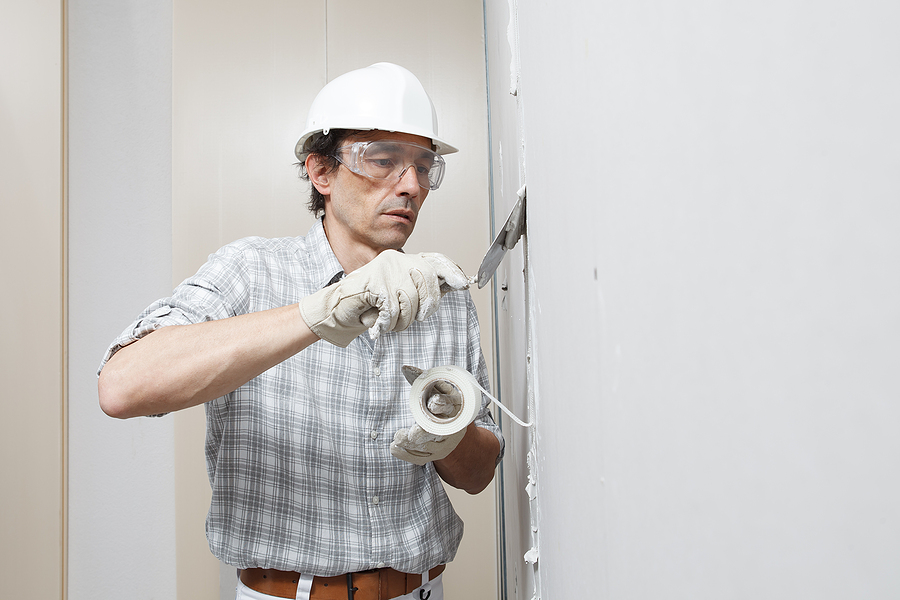
  • Smooth the tape using a drywall knife, ensuring no air pockets remain.

Best Practices: For professionals, using high-quality paper tape and maintaining consistent pressure during application can minimize these issues.

Tape Peeling

Causes: Peeling tape often results from using low-quality tape or insufficient compound beneath the tape.

Solutions:

  • Remove the peeling tape and any loose compound.
  • Apply a fresh layer of compound and use quality tape.
  • Press the tape firmly and apply additional compound layers as needed.

Best Practices: Professionals should always opt for premium tape and ensure the surface is clean before application.

Poor Adhesion

Causes: Poor adhesion usually stems from using low-quality compound or working in unfavorable conditions like high humidity.

Solutions:

  • Ensure the surface is clean and dry before starting.
  • Use a high-quality joint compound and apply it evenly.
  • Press the tape firmly and allow adequate drying time.

Best Practices: Using a dehumidifier in humid environments can improve adhesion. Professionals should also consider temperature and humidity levels when scheduling drywall work.

Visible Joints

Causes: Visible joints are often due to uneven compound application or inadequate sanding.

Solutions:

  • Apply the joint compound evenly, feathering the edges.
  • Sand the area lightly but thoroughly after it dries.
  • Apply a second coat if necessary, ensuring a smooth transition between the tape and drywall.

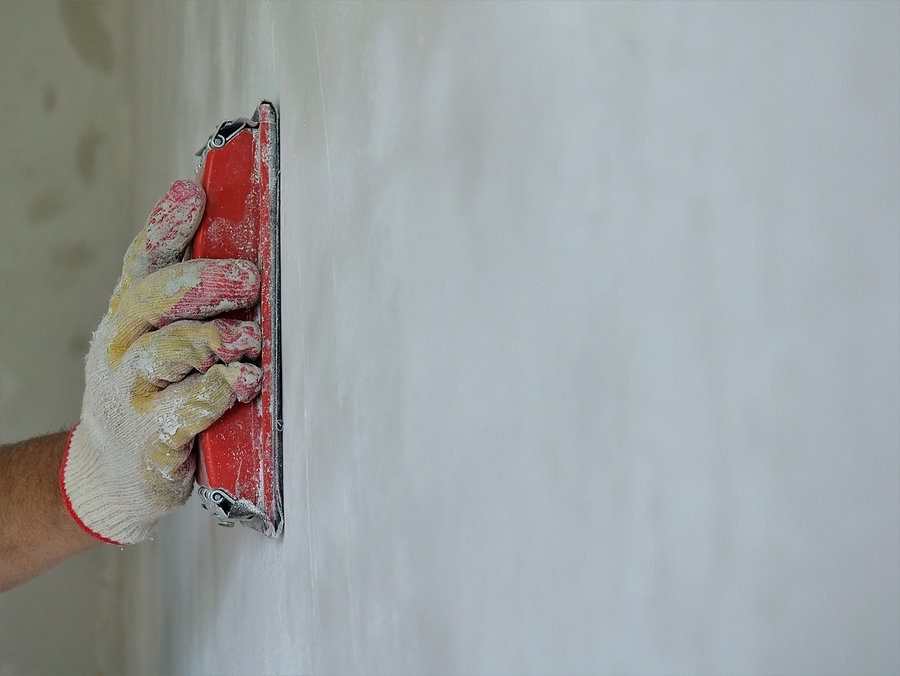
Best Practices: For professionals, investing in quality sanding tools and taking time with each step can ensure flawless results.

Importance of Using High-Quality Tape and Tools

Using high-quality tape and tools is essential for achieving a professional finish. Low-quality materials can lead to various issues, including those mentioned earlier. Investing in premium products ensures durability and ease of application.

Quality Affects Finishing Results

High-quality tape and tools provide better adhesion, smoother application, and fewer issues during the finishing process. This investment often pays off in the long run by reducing rework and enhancing the overall appearance.

Recommendations for Tape and Tools:

  • Paper Tape
  • Mesh Tape
  • Stainless Steel Drywall Knife
  • Professional-Grade Joint Compound
  • High-Quality Sanding Tools

Conclusion

Mastering drywall taping is essential for achieving smooth, professional-looking walls. By understanding common issues such as bubbling, wrinkling, tape peeling, poor adhesion, and visible joints, you can take proactive steps to address and prevent these problems. Using high-quality materials and adhering to best practices significantly enhances the final result, reducing the need for rework and ensuring a durable finish.

Whether you’re a DIY enthusiast or a seasoned professional, investing time and effort in proper taping techniques will pay off in the long run, resulting in beautifully finished walls that stand the test of time.

On the other hand, if do-it-yourself drywall work is not working out, we can help. Contact Drywall by Renso at 317-269-7319 for professional drywall services and custom drywall texture in Indianapolis, Indiana. We serve both residential and commercial clients.  Request a free estimate, today!

Related Posts:

Troublesome Nail Pops? Here’s How to Spot, Fix, and Prevent Them
Avoid DIY Disasters: The Importance of Professional Drywall Installation
Wall Anchor Removal Guide
Detecting Water Damage in the Home: Signs, Solutions, and Prevention

Water damage in your home’s walls and ceilings can be a nightmare. However, identifying the signs early can save you from costly repairs and potential health hazards. This blog post will walk you through the most common signs of water damage, its causes, and how to prevent it. By the end, you’ll be equipped to tackle water damage head-on, ensuring your home remains safe and sound.

Call 317-269-7319 for Professional Water Damage Drywall Replacement in Indianapolis

The Importance of Early Water Damage Detection

Water damage doesn’t just ruin your walls and ceilings; it can lead to severe structural and health issues if left untreated. For homeowners and property managers, knowing what to look for is crucial. Early detection allows for prompt repair, preventing minor issues from escalating into major problems.

Common Signs of Water Damage in Walls and Ceilings

Discoloration and Water Stains

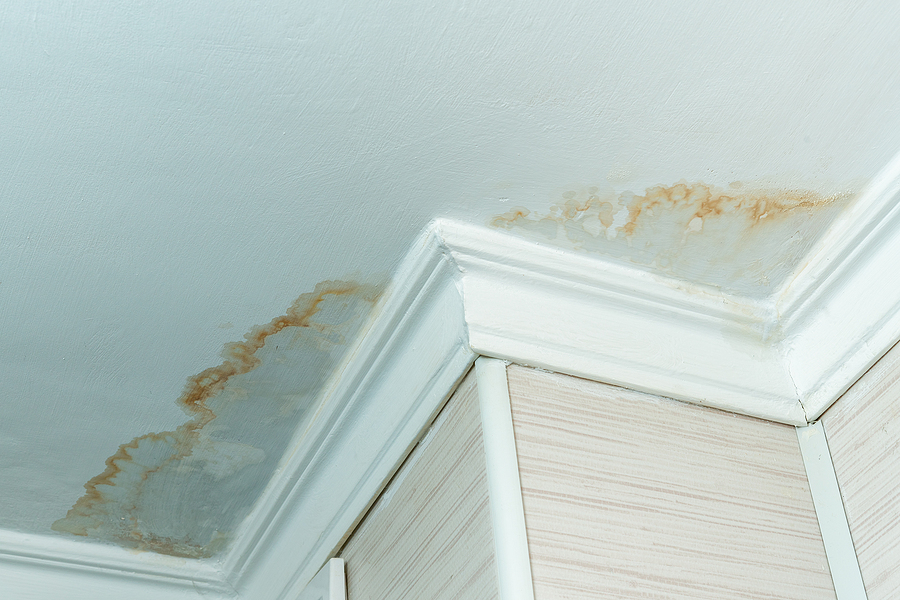
One of the first indicators of water damage is discoloration. Look for brownish or yellowish stains on your walls and ceilings. Water stains often indicate that water has seeped through the layers of your drywall or ceiling material. Discoloration can appear in various patterns, from small spots to large patches. Pay attention to areas around windows, doors, and roof lines, as these are common entry points for water.

Peeling or Bubbling Paint

If you notice paint peeling or bubbling on your walls or ceilings, it’s a strong sign of water damage. When water seeps into the walls, it disrupts the adhesion between the paint and the surface, causing it to peel or bubble. This is not just an aesthetic issue. It indicates underlying moisture problems that need addressing. Ignoring peeling or bubbling paint can lead to more extensive damage over time.

Sagging or Bulging Areas

Sagging or bulging in the walls or ceilings is a clear sign of water accumulation. This occurs when water saturates the material, making it heavy and weak. If you see areas that appear to be drooping or bulging out, it’s essential to investigate immediately. These spots are at risk of collapsing, posing a danger to anyone in the vicinity.

Musty Odors

A musty smell is often a hidden sign of water damage. This odor usually indicates mold or mildew growth due to prolonged moisture exposure. Musty odors are commonly found in basements, attics, and other areas with poor ventilation. If you detect a persistent musty smell, it’s time to inspect your home for water damage.

Top Causes of Residential Water Damage

Leaking Pipes

Leaking pipes are one of the most widespread sources of water damage. Pipes can leak due to age, corrosion, or high water pressure. Regularly inspect your plumbing for signs of leaks, such as pooling water, corrosion, or unusual dampness. Promptly fixing leaks can prevent significant water damage.

Roof Leaks

Roof leaks are another major cause of water damage in ceilings. Damaged shingles, cracked flashings, or clogged gutters can allow water to seep into your home. Regular roof inspections, especially after storms, can help identify and fix leaks before they cause extensive damage.

Poor Ventilation

Poor ventilation can trap moisture inside your home, leading to water damage. Bathrooms, kitchens, and basements are particularly susceptible to this issue. Ensure proper ventilation by using exhaust fans, opening windows, and installing dehumidifiers in areas prone to moisture buildup.

Flood Damage

Flooding can cause severe water damage to your home. Whether it’s from a natural disaster or a plumbing issue, floods can saturate walls, ceilings, and floors. It’s crucial to address flood damage immediately to mitigate its effects. Professional water damage restoration services can help dry and repair affected areas.

The Dangers of Ignoring Water Damage

Mold Growth

Mold thrives in damp environments, making water-damaged areas a perfect breeding ground. Mold can cause respiratory issues, allergies, and other health problems. Ignoring water damage can exacerbate mold growth, making it harder and more expensive to remove. Early detection and prompt action are key to preventing mold infestations.

Structural Damage

Prolonged water exposure can weaken the structural integrity of your home. Water can rot wood, corrode metal, and compromise the stability of walls and ceilings. If left unchecked, structural damage can lead to costly repairs and even pose a safety risk to occupants. It’s essential to address water damage promptly to maintain your home’s stability.

Health Risks

Water damage can create an unhealthy living environment. Mold, mildew, and bacteria can thrive in damp conditions, leading to various health issues. Respiratory problems, skin irritation, and allergic reactions are common in homes with untreated water damage. Protect your health by addressing water damage as soon as it’s detected.

How to Detect and Confirm Water Damage

Using Moisture Meters

Moisture meters are handy tools for detecting water damage. These devices measure the moisture content in walls and ceilings, helping you identify hidden water issues. Regularly using a moisture meter can help you catch water damage early, even before it becomes visible. Consider investing in one for routine home maintenance.

Inspecting for Visible Signs

Conduct regular visual inspections of your home, looking for the common signs of water damage mentioned earlier. Pay special attention to areas prone to moisture, such as basements, bathrooms, and attics. Keep an eye out for discoloration, peeling paint, sagging areas, and musty odors. Early detection can save you from more extensive repairs down the line.

Seeking Professional Help

If you’re unsure about the extent of water damage or how to address it, seek professional help. Plumbing experts can assess the situation and recommend the best course of action for repairing the source of the water damage. Drywall contractors can remove and replace damaged drywall and ceilings, plus provide painting and texturing services. Professionals have the tools and expertise to thoroughly inspect and repair water damage, ensuring your home remains safe and dry.

Preventive Measures to Protect Against Water Damage

Regular Maintenance Checks

Regular maintenance checks are crucial in preventing water damage. Inspect your home’s plumbing, roof, and gutters regularly for signs of wear and tear. Promptly addressing minor issues can prevent them from escalating into major problems. Schedule routine inspections to keep your home in top condition.

Prompt Repairs of Leaks

Don’t delay in fixing leaks, no matter how minor they seem. Even small leaks can lead to significant water damage over time. Repairing leaks promptly can prevent water from seeping into walls and ceilings, reducing the risk of mold growth and structural damage.

Improving Home Ventilation

Improving ventilation can help prevent moisture buildup in your home. Use exhaust fans in bathrooms and kitchens, open windows to allow fresh air in, and install dehumidifiers in damp areas. Proper ventilation reduces the risk of water damage and creates a healthier living environment.

Waterproofing Strategies

Consider implementing waterproofing strategies to protect your home from water damage. Apply sealants to vulnerable areas, install sump pumps in basements, and ensure your home’s foundation is well-maintained. Waterproofing your home can provide an extra layer of protection against water damage, keeping your walls and ceilings dry and intact.

Taking Action to Safeguard Your Home

Water damage can be a homeowner’s worst nightmare, but early detection and prompt action can mitigate its effects. By understanding the common signs of water damage, its causes, and preventive measures, you can protect your home from costly repairs and health risks.

Don’t wait until it’s too late. Regular maintenance, prompt repairs, and proper ventilation are key to preventing water damage. If you suspect water damage in your home, seek professional help to assess and address the issue.

Did you find some water-damaged walls or ceilings in your home? Contact Drywall By Renso at 317-269-7319 for expert drywall replacement services in Indianapolis, Indiana. We serve residential and commercial clients throughout the Greater Indy areas. Protect your home and enjoy peace of mind knowing your walls and ceilings are in good hands. Request an estimate, today.

Related Posts:

Tips for Drywall Water Damage Clean Up
How to Remove Water Damaged Drywall
The Meaning Behind the Color of Mold on Your Walls

Troublesome Nail Pops? Here’s How to Spot, Fix, and Prevent Them

Walls are an essential part of every home, serving both functional and aesthetic purposes. However, when you start noticing bumps or cracks, your pristine walls can become a source of frustration. One common culprit behind these imperfections is nail pops. In this comprehensive guide, we’ll explore what nail pops are, how to identify them, the dangers of ignoring them, and how you can either fix them yourself or prevent them in the future.

Call 317-269-7319 for Professional Wall Damage Repair in Indianapolis Indiana

What are Nail Pops?

Nail pops are small bumps or cracks that appear on walls, usually where nails or screws have loosened and pushed through the drywall. These imperfections are especially common in newly constructed homes but can occur in older homes as well.

Common Causes of Nail Pops

One major cause of nail pops is the natural settling of a house. As the wooden frame of a house contracts and expands with changes in humidity and temperature, the nails or screws securing the drywall may loosen. Another common cause is improper installation during construction. If the drywall wasn’t secured tightly or the nails weren’t driven in at the correct angle, nail pops are more likely to occur.

How Nail Pops Form

When nails or screws push through the drywall, they create small, round bumps. Over time, these bumps can crack the paint and even lead to holes. Understanding the causes and process of nail pops can help you better identify and address them before they become a bigger problem.

Identifying Nail Pops

Spotting nail pops early is crucial for maintaining the integrity and appearance of your walls. Here are some tips to help you identify them:

Visual Cues – Nail pops often manifest as small, round bumps on the surface of your wall. They may be more noticeable under certain lighting conditions. Look for areas where the paint has cracked or chipped away in a circular pattern.

Practical Tests – To confirm whether a bump is a nail pop, gently press around the bump with your fingers. If it feels like there’s a small, hard object beneath the surface, it’s likely a nail or screw that has popped.

Regular Inspections – Make it a habit to regularly inspect your walls, especially in rooms with high humidity or significant temperature changes. Early identification can save you from more extensive repairs later on.

The Dangers of Ignoring Nail Pops

Ignoring nail pops can lead to more serious issues down the line. Here’s why you shouldn’t procrastinate on fixing them.

Structural Integrity – While a single nail pop might not seem like a big deal, multiple nail pops can indicate a larger issue with your home’s structural integrity. Over time, this can lead to more severe drywall damage, including large cracks and holes.

Aesthetic Damage – Nail pops can quickly turn a smooth, clean wall into an eyesore. The longer you wait to fix them, the more noticeable and unappealing they become. This can detract from the overall appearance of your home, especially if you’re planning to sell.

Costly Repairs – The longer you ignore nail pops, the more extensive the damage can become. What starts as a simple DIY repair can turn into a costly professional job if left unaddressed.

DIY vs. Professional Repair

When it comes to fixing nail pops, you have two options: doing it yourself or hiring a professional. Let’s weigh the pros and cons of each.

DIY Repair

DIY repair is a cost-effective option if you have the right tools and some basic handyman skills. You’ll need a few materials like a hammer, nails or screws, drywall compound, and sandpaper. However, keep in mind that improper repair can lead to recurring issues.

Professional Repair

Hiring a professional drywall repair company ensures the job is done correctly and efficiently. Professionals have the expertise and tools needed to fix nail pops without causing further damage. Although this option is more expensive, it offers peace of mind and long-lasting results.

When to Choose Which

If you’re dealing with a few isolated nail pops and feel confident in your skills, a DIY approach may be sufficient. However, if you notice multiple nail pops, suspect there’s a deeper issue, or require additional drywall or painting beyond nail pop repair, it’s best to consult a professional.

Step-by-Step DIY Repair Guide

Ready to tackle nail pops on your own? Follow these detailed steps to ensure a smooth and effective repair process:

Tools and Materials Needed:

  • Hammer or screwdriver
  • Drywall compound
  • Sandpaper
  • Paint and primer
  • Nail or screw replacements
  1. Preparing the Area – Start by removing any loose paint or drywall around the nail pop. Use a utility knife to cut away damaged material, creating a clean surface for repair.
  2. Reinforcing the Drywall – Using a hammer or screwdriver, drive a new nail or screw into the drywall about an inch above or below the original nail pop. Be sure to countersink the nail or screw slightly to prevent future pops.
  3. Applying Drywall Compound – Apply a generous amount of drywall compound over the nail or screw head, smoothing it out with a putty knife. Allow the compound to dry completely before sanding it smooth.
  4. Finishing Touches – Once the compound is dry and smooth, apply a coat of primer and paint to match the rest of the wall. Voila! Your wall should now look good as new.

Preventing Nail Pops in the Future

Prevention is always better than cure. Here are some tips to help you avoid nail pops in the future.

  • Use the Right Materials – When constructing or renovating your home, use high-quality materials and follow proper installation techniques. Opt for screws instead of nails, as they are less likely to loosen over time.
  • Maintain Humidity Levels – Fluctuating humidity levels can cause wood to expand and contract, leading to nail pops. Use a humidifier or dehumidifier to maintain consistent humidity levels in your home.
  • Regular Inspections – Regularly inspect your walls for any signs of nail pops. Early detection and prompt repair can prevent more extensive damage down the line.

Key Takeaways

Nail pops may seem like a minor issue, but they can lead to significant problems if left unaddressed. By understanding what nail pops are, how to identify them, and how to fix and prevent them, you can keep your walls looking pristine and ensure the structural integrity of your home. Whether you choose to tackle the repairs yourself or hire a professional, addressing nail pops promptly will save you time, money, and stress in the long run.

Don’t wait until nail pops become a bigger problem. Take action today to protect your home and maintain its beauty. Contact Drywall By Renso at 317-269-7319 for reliable and efficient drywall repair service in Indianapolis, Indiana. Your walls and your wallet will thank you! We serve residential and commercial clients throughout the Greater Indy areas. Request an estimate, today.

Related Posts:

Tips for Avoiding DIY Drywall Mistakes
How to Hang Pictures on Walls
Basic Toolbox for Drywall Repair

The Complete Handbook on Drywall Repairs and Maintenance

Drywall is an essential part of modern construction, providing a smooth and durable surface for walls and ceilings. However, like any material, it can incur damage over time. From minor cracks to significant holes, understanding how to repair drywall can save homeowners, business owners, property managers, and home buyers both time and money. In this comprehensive guide, we will explore frequently asked questions about drywall repair, offering practical advice and highlighting when it’s best to call a professional.

Call 317-269-7319 for Professional Drywall Repair in Indianapolis Indiana

What You Need to Know About Drywall

Drywall, also referred to as plasterboard or gypsum board, consists of a panel made from calcium sulfate dihydrate (gypsum) sandwiched between layers of thick facer and backer paper. It is commonly used in the construction of interior walls and ceilings due to its ease of installation and finishing. Despite its widespread use, drywall is susceptible to various forms of damage, which can affect the aesthetics and integrity of your property.

Typical Drywall Problems

Understanding the common issues that affect drywall can help you anticipate repairs and take preventive measures. Here are some frequently encountered drywall problems:

Cracks: Cracks in drywall are often caused by settling of the building, temperature fluctuations, or improper installation. These cracks can vary in size and severity, from hairline fractures to more significant splits.

Holes: Holes in drywall can result from various sources, such as doorknob impacts, furniture mishaps, or accidental damage. They range from small punctures to larger openings that expose the underlying structure.

Water Damage: Water damage occurs when drywall is exposed to moisture, leading to stains, softening, and even mold growth. Common causes include leaks from plumbing, roof damage, or flooding.

Nail Pops: Nail pops happen when the drywall nails or screws loosen and push the drywall surface outward, creating noticeable bumps. These are usually due to natural settling or incorrect fastening during installation.

Joint Tape Issues: Joint tape can bubble, wrinkle, or peel away from the drywall surface over time. This is typically due to poor adhesion during installation or moisture infiltration.

Common Drywall Repairs and Their Techniques

While some drywall renovations are straightforward and suitable for DIY enthusiasts, others require more skill and expertise. Here are step-by-step guides to common DIY drywall repairs:

Filling Small Holes and Cracks

Materials Needed:

  • Putty knife
  • Spackling compound or joint compound
  • Sandpaper
  • Paint (optional)

Steps:

  1. Clean the Area: Remove any loose debris or dust from the hole or crack.
  2. Apply Spackling Compound: Use a putty knife to fill the hole or crack with spackling compound. Smooth it over the surface, ensuring it is level with the surrounding drywall.
  3. Sand the Surface: Once the compound is dry, sand the area until it is smooth and seamless.
  4. Paint: If necessary, paint over the repaired area to match the rest of the wall.

Patching Larger Holes

Materials Needed:

  • Drywall patch or mesh tape
  • Joint compound
  • Putty knife
  • Sandpaper
  • Paint (optional)

Steps:

  1. Prepare the Hole: Cut away any loose or damaged drywall around the hole.
  2. Apply the Patch: Place a drywall patch or mesh tape over the hole.
  3. Cover with Joint Compound: Spread a layer of joint compound over the patch, feathering the edges to blend with the surrounding wall.
  4. Sand and Paint: Once dry, sand the area smooth and apply paint if needed.

Repairing Water Damage

Materials Needed:

  • Utility knife
  • Replacement drywall
  • Joint compound
  • Putty knife
  • Sandpaper
  • Paint (optional)

Steps:

  1. Remove Damaged Drywall: Use a utility knife to cut out the damaged section of drywall.
  2. Replace with New Drywall: Cut a piece of replacement drywall to fit the hole and secure it in place.
  3. Apply Joint Compound: Cover the seams with joint compound, ensuring a smooth transition between the old and new drywall.
  4. Sand and Paint: Sand the repaired area and paint as needed.

When to Call a Professional Drywall Repair Company

While many drywall repairs can be handled by DIY enthusiasts, some situations require the expertise of a professional. Here are signs that it’s time to call a drywall contractor:

  • Extensive Damage: If the damage covers a large area or affects the structural integrity of the wall, it is best to seek professional help.
  • Water and Mold Issues: Water damage that has led to mold growth requires specialized treatment to ensure the mold is fully eradicated and the area is safe.
  • Complex Repairs: Repairs involving multiple layers of drywall, intricate textures, or high ceilings may be beyond the capabilities of a typical DIYer.

Benefits of Hiring a Professional:

  • Expertise: Professionals have the experience and skills to handle complex repairs efficiently.
  • Quality: A professional repair ensures a seamless finish that blends with the existing wall.
  • Time-Saving: Hiring a professional can save you time and effort, allowing you to focus on other tasks.

Cost Expectations for Drywall Repair

The cost of drywall repair can vary based on several factors, including the extent of the damage, the materials needed, and labor rates. Here are some average price ranges for common repairs:

  • Small Holes and Cracks: $50 – $150
  • Large Holes: $200 – $400
  • Water Damage Repair: $500 – $1,000
  • Professional Services: Rates vary but typically range from $50 to $100 per hour

Factors Influencing Cost:

  • Location: Prices may vary depending on your geographic location and local labor rates.
  • Material Quality: Higher-quality materials may increase the overall cost.
  • Extent of Damage: More extensive damage requires more time and resources to repair.

Tips for Preventing Drywall Damage

Preventing future drywall damage can save you time and money in the long run. Here are some tips for maintaining the integrity of your drywall:

Control Humidity: Keep indoor humidity levels between 30% and 50% to prevent moisture-related issues. Use dehumidifiers and proper ventilation in areas prone to humidity, such as bathrooms and basements.

Regular Maintenance: Inspect your walls and ceilings regularly for signs of damage. Address minor issues promptly to prevent them from becoming major problems.

Protect High-Traffic Areas: Install door stoppers and corner guards in high-traffic areas to prevent accidental damage from doorknobs and furniture.

Proper Installation: Ensure drywall is installed correctly by following industry standards and guidelines. Properly fasten drywall panels and use quality materials to minimize the risk of future damage.

Conclusion

Drywall repair is an essential aspect of maintaining the aesthetics and functionality of your property. Whether you’re a homeowner, business owner, property manager, or home buyer, understanding common drywall problems and repair techniques can help you address issues promptly and effectively. Remember, many repairs are perfect for DIY enthusiasts, but for more complex or extensive damage, don’t hesitate to call a professional.

While many repairs are suitable for DIY enthusiasts, don’t hesitate to call a professional for more complex or extensive damage. At Drywall By Renso, we specialize in professional drywall repair services in Indianapolis, ensuring your walls and ceilings look as good as new. Contact us today at 317-269-7319  for a consultation and let our experts handle all your drywall repair needs. Your satisfaction is our top priority, and we’re here to help you maintain a beautiful and functional space.

Related Posts:

What You Need for Minor Household Drywall Repairs
Where to Find Trusted Commercial Drywall Service in Indy
Want to Know Where Your Drywall Cracks Came From?