Why Did My Drywall Crack?

A crack in your drywall might as well be a cannonball-sized hole; because a simple crack becomes the main focal point of your wall, distracting from the rest of your home’s beautiful décor. So when they appear, you begin to panic, and probably start thinking about all the questions you have for your drywall installation contractor. But before you blame the crack on a poor installation job, learn a few other reasons why drywall cracks, and then move forward with the solution that makes the most sense for your type of drywall damage.

Continue reading to learn several common causes for drywall cracks, and who to call for affordable drywall repair you can trust.

Indianapolis Drywall Repair 317-269-7319

Causes for Cracks in Drywall

Drywall cracks come in all sorts of shapes, sizes, depths, and scopes. And often times, the appearance or location of a crack can say a lot about how and why it showed up. The best way to determine where you cracks originate from is to contact a professional drywall contractor for an in-person assessment. In the meantime, continue below to learn some common causes for cracked drywall.

⇒ Foundation Settling

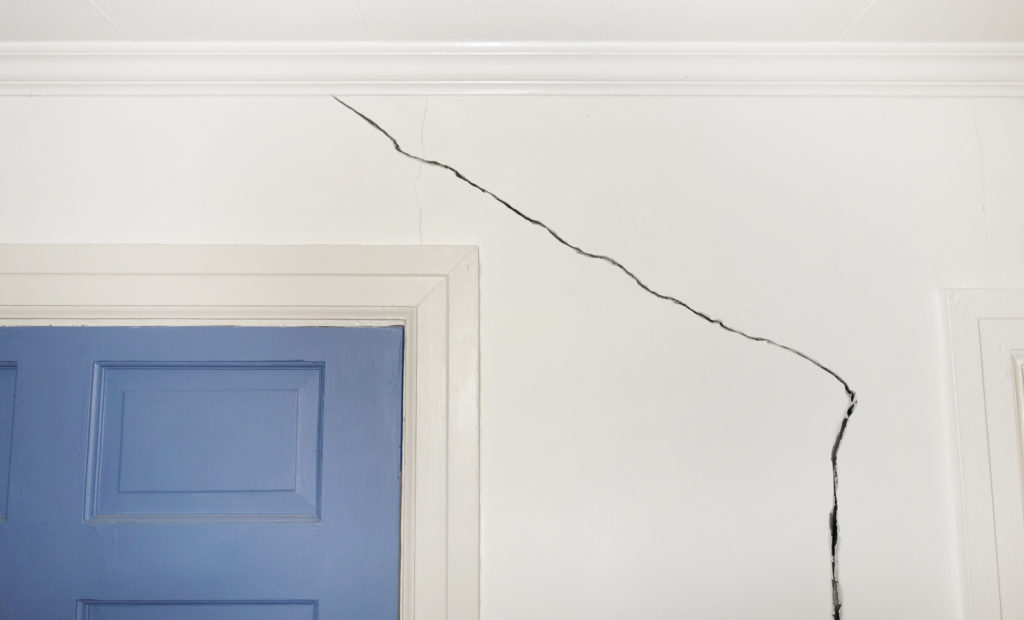
After a home is built, it begins to exponentially “settle” in terms of its foundation. This can happen at different times and in different areas of the home. The slow downward movement that occurs with settling can create cracks in the walls and ceilings of the home overtime. Common places to see this type of cracking include tops of door frames, ceilings, walls, and near corners where wall and ceiling meet. And they are generally diagonal in direction.

⇒ Moisture

Too much moisture can create a lot of problems for a home. And among those problems is drywall cracking. There are a few places in drywall that are moisture-prone or tend to attract moisture. Here is where you are likely to see drywall cracks as a result of rust accumulation. Areas like screws and wall studs are common moisture attractors.

⇒ Wall Décor

Unless you use the proper wall anchors and installation tools, heavy wall décor can cause cracks in drywall overtime. Since they are usually behind whatever’s hanging on the wall, they often remain hidden. Sometimes, they are discovered when the wall anchor gives out and the hanging decor finally drops to the ground.

Indianapolis Drywall Repair

Call Drywall by Renso at 317-269-7319 for Indianapolis drywall repair you can trust. We are highly-trained, licensed, and insured drywall contractors that offer a wide range of drywall services for both residential and commercial properties, including repair, installation, and replacement. We also offer new home construction, metal stud framing, custom drywall texture, grid ceilings, and much more. Call 317-269-7319 to request an estimate for drywall repair in Indianapolis, Indiana today.

The 3 Most Common Types of Pre-Mixed Drywall Mud

As an extension of last month’s blog regarding the common types of drywall spackle, we would like to continue our conversation with a detailed look at one of the spackles we mentioned: premixed drywall mud. Here’s a little reminder:

Indianapolis Drywall Contractors 317-269-7319


Pre-Mixed Drywall Mud:


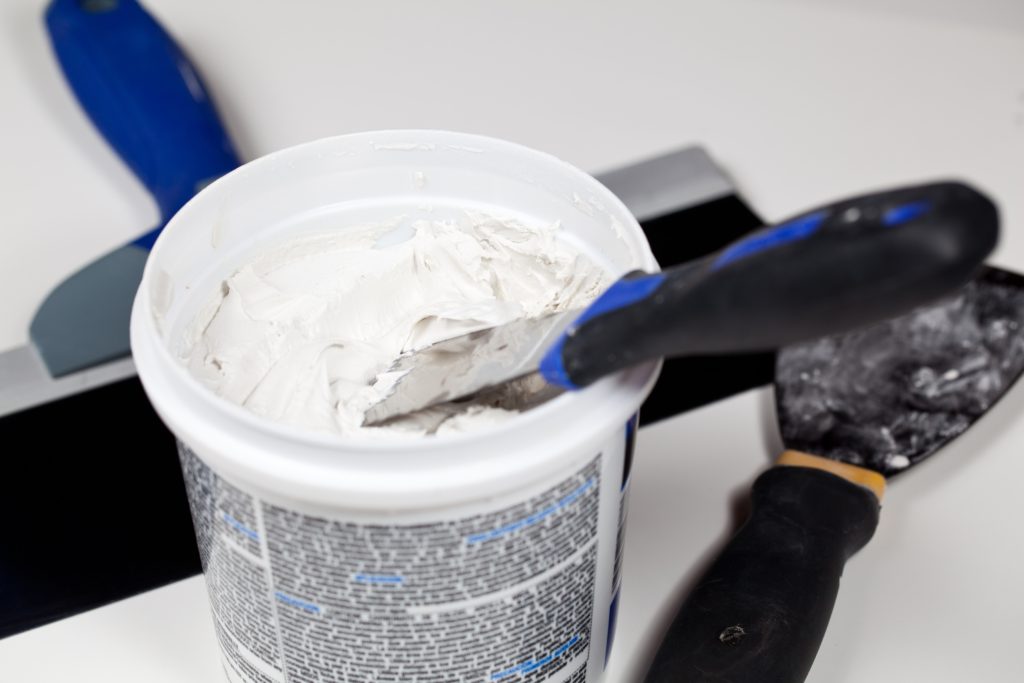
Pre-mixed drywall mud is sold by the 4.5 gallon bucket, and comes pre-mixed and ready to use right out of the bag. All you need to do is add a little water to soften the mud. Then just thin to the consistency required for your particular drywall project. Thinner mud is best for projects that involve automatic taping tools or bedding and tape. Projects such as spackling walls will call for thicker mud.


The three most commonly used types of premixed drywall mud include 1) all-purpose joint compound, 2) lightweight all-purpose, and 3) topping compound. These compounds and more can be used in combination with one another. It all depends on the type of drywall project. Now let’s take a closer look at each one.

All-Purpose Joint Compound

The reason why this joint compound is referred to as “all-purpose” is because it can be used for any type of application. It has great adhesive agents, making it perfect for projects that require bedding in paper tape on drywall seams. It is also great to first coat seams and corners beads. However, it is not commonly used as a finish coat because it’s more difficult to stand than other related products, namely lightweight all-purpose compound.

Lightweight All-Purpose Compound

Although this drywall mud is light in weight, it can also be used for any application. Because lightweight all-purpose compound retains fewer adhesive agents in comparison to all-purpose joint compound, many professional drywall contractors believe it is not a good choice for taping drywall seams. Most prefer a more durable compound, such as all-purpose joint compound. Instead, professionals generally use lightweight all-purpose mud for the first and second coats of seams and corners beads. And it is almost always used as a finish coat because it’s so easy to sand.

Topping Compound

Topping drywall compound is used much less than the other two premixed drywall muds mentioned above. Most often, it is used as a topcoat for drywall seams and corner bead or for texture applications. But it is not recommended for taping joints.

Indianapolis Drywall Contractors

Call Drywall by Renso at 317-269-7319 when you need professional drywall repair and installation services in Indianapolis, Indiana and its surrounding counties. We are highly trained and experienced drywall contractors to provide a wide range of drywall services for both residential and commercial properties, including new home construction, metal stud framing, custom drywall texture, grid ceilings, and much more. Call or office directly at 317-269-7319 to request a free estimate for Indianapolis drywall service, today.