Water-Damaged Drywall? Here’s When to Repair vs. Replace

The sound of dripping water inside a wall is enough to keep any homeowner awake at night. Whether it stems from a burst pipe, a leaky roof, or a humid summer that overwhelmed your HVAC system, water intrusion is a serious issue that requires immediate attention. It isn’t just about unsightly stains; moisture trapped in your walls can compromise the structural integrity of your home and creates the perfect breeding ground for mold.

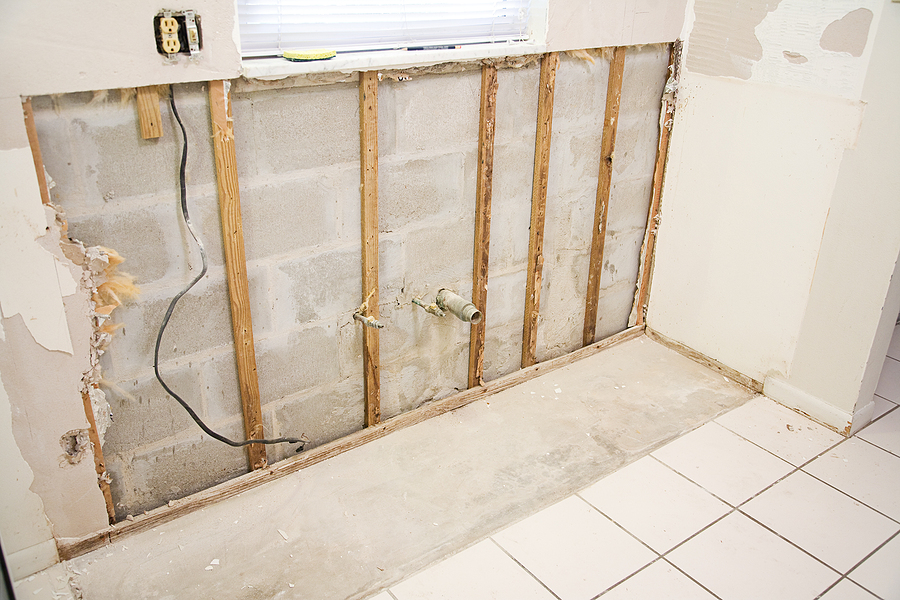
While your instinct might be to grab a bucket and some towels, the damage often goes deeper than the surface. Drywall acts like a sponge, wicking moisture upward and retaining it long after the initial spill is cleaned up. Understanding the severity of the damage and knowing when to call in a professional is crucial for protecting your investment and your health.
Call 317-269-7319 for Water Damaged Drywall Repair in Indianapolis
Call 317-269-7319 for Water-Damaged Drywall Repair in Indianapolis

Assessing the Damage: Signs You Can’t Ignore

Before you can decide on a course of action, you need to understand the extent of the problem. Drywall is a porous material made of gypsum plaster sandwiched between two sheets of thick paper. When this material gets wet, it loses its structural strength quickly.

The 48-Hour Window

Time is your enemy when dealing with water damage. According to the EPA, mold can begin to grow on damp surfaces within 24 to 48 hours. If the drywall has been wet for longer than two days, it is generally safer to assume that mold growth has begun, even if you can’t see it yet.

Visual and Tactile Clues

To evaluate the state of your walls, look for these common indicators:

  • Discoloration: Water stains often appear as yellow or brown rings.
  • Texture Changes: Bubbling, peeling paint, or wallpaper that is lifting at the seams are clear signs of moisture behind the surface.
  • The “Press Test”: Gently press on the affected area with your finger. Drywall should be firm. If it feels soft, spongy, or leaves an indentation, the gypsum core has dissolved, and the panel needs to be replaced.
  • Visible Mold: If you see black, green, or white clusters, do not disturb the area, as this can release spores into the air.

The Hidden Danger of Insulation

It is not just the drywall you need to worry about. If your walls are insulated, the problem is likely compounded. The Department of Housing and Urban Development (HUD) warns that wet fibrous insulation holds water and impedes drying. If the insulation behind your drywall is wet, it cannot be saved and must be removed to prevent wood decay and persistent mold issues inside the wall cavity.

Why Professional Repair is Essential

In an era of DIY tutorials, it is tempting to view drywall replacement as a weekend project. However, water damage remediation involves complexities that go far beyond patching a hole. Attempting to fix this yourself can lead to long-term structural issues and serious health risks.

Avoiding Hazardous Materials

If your home was built before 1980, the joint compound used to finish your drywall may contain asbestos. Furthermore, homes built prior to 1978 often contain lead-based paint. Disturbing these materials without proper containment and personal protective equipment (PPE) can release toxic dust into your home. Professional remediation teams are trained to test for these hazards and remove materials safely, following strict safety guidelines to protect your family.

Preventing Mold Spread

One of the biggest risks of DIY removal is cross-contamination. Tearing out moldy drywall without setting up a containment zone (using plastic sheeting and negative air pressure) can send millions of mold spores flying into your HVAC system and other rooms. The EPA advises that if a moldy area covers more than 10 square feet, a professional should handle the cleanup to ensure the contamination is fully contained.

Ensuring Structural Integrity

Professionals know exactly how much drywall to remove. A general rule of thumb from FEMA is to remove drywall at least 12 inches above the water line. This ensures that any material that may have wicked moisture upward is removed. Professionals also have the moisture meters and infrared cameras necessary to verify that the wooden studs behind the wall are completely dry before new drywall is installed—a step often skipped by DIYers, leading to rot behind brand-new walls.

Book a Free Drywall Repair Estimate Right Now

Scheduling Service: What to Look For

When you are ready to hire a professional, diligence is key. You need a contractor who understands both the construction aspect of drywall and the science of water damage restoration.

Check for Certification

Look for professionals who hold certifications from the Institute of Inspection, Cleaning and Restoration Certification (IICRC). This non-profit organization sets the standards for the inspection, cleaning, and restoration industries. A technician with IICRC certification has been trained in the latest methods for safe mold remediation and structural drying.

Verify Insurance and Licensing

Ensure the company carries liability insurance and workers’ compensation. This protects you in case of accidental damage to your property or injury to a worker during the project. Additionally, check regarding local building codes. While some minor repairs might be exempt, structural work often requires specific permits.

In Indiana, for example, even if a project is exempt from state filing, local permits are often still required. A reputable contractor will handle the permitting process for you.

Prevention Tips: Protecting Your Home

Once your walls are restored, the goal is to prevent history from repeating itself. While you cannot control the weather, you can fortify your home against moisture intrusion.

  • Manage Exterior Drainage: Ensure your gutters and downspouts are clear and direct water at least five feet away from your foundation.
  • Control Humidity: The EPA recommends keeping indoor humidity between 30 and 50 percent. Using a dehumidifier during humid months can prevent condensation from forming on cold walls.
  • Maintain Plumbing: Regularly check under sinks and around appliances for slow leaks. Catching a drip early can save you thousands of dollars in drywall work later.
  • Sump Pump Maintenance: If you have a basement, test your sump pump regularly, especially before the rainy season, to ensure it is functioning correctly.

Conclusion

Water damage is a time-sensitive issue that demands a professional response. The risks associated with improper drying—ranging from structural rot to hazardous mold growth—are simply too high to leave to chance. By understanding the signs of damage and prioritizing professional remediation, you ensure that your home remains a safe, healthy environment for your family.

If you suspect water damage in your walls, do not wait for the problem to worsen. Acting fast is the best way to minimize damage and costs.

If you are located in the Indianapolis area and are concerned about soft walls, stains, or potential water damage, we are here to help. Contact Us Today to schedule a free drywall repair assessment. Our team will evaluate the extent of the damage and provide a clear plan to restore your home to its original condition.

Schedule Your Free Assessment

Related Post: Detecting Water Damage in the Home: Signs, Solutions, and Prevention
DIY Drywalling vs. Professional Contractors: Making the Right Choice

Home renovation projects often present homeowners with a crucial decision: tackle the job yourself or hire professionals. When it comes to drywall installation and finishing, this choice becomes particularly significant. Drywall work forms the foundation of your room’s appearance and structural integrity, making the quality of installation essential for both aesthetics and long-term durability.

Understanding the true costs, time commitments, and potential risks associated with DIY drywalling versus hiring drywall contractors will help you make an informed decision that aligns with your budget, timeline, and quality expectations. While the allure of saving money through DIY projects is understandable, drywall work requires specific skills, tools, and experience that can significantly impact your project’s outcome.

This comprehensive comparison will examine every aspect of both approaches, helping you determine when DIY drywalling makes sense and when professional service becomes the smarter investment.

Call 317-269-7319 to Speak With Our Professional Drywall Contractors in Indianapolis

Drywall Work: DIY Versus Professional Service

DIY Drywalling: The Real Picture

Advantages of DIY Drywall Work

Taking on your own drywall project offers several appealing benefits. The most obvious advantage is potential cost savings on labor, as material costs typically range from $50 to $200 per room. You’ll also have complete control over your timeline, working at your own pace without coordinating contractor schedules.

DIY drywalling can provide personal satisfaction and skill development. Many homeowners find fulfillment in completing their own drywall installation, gaining valuable experience for future projects. You’ll also have the flexibility to make changes or adjustments as you work, without additional labor charges.

Challenges and Drawbacks of DIY

However, DIY drywalling comes with significant challenges that extend beyond the initial material costs. You’ll need to invest in specialized tools including drywall lifts, sanders, joint compound applicators, and safety equipment. These tool costs can quickly add up, potentially eliminating much of your anticipated savings.

The learning curve for proper drywall finishing is steep. Achieving smooth, professional-looking walls requires mastering techniques for taping seams, applying joint compound, and sanding to perfection. Common DIY mistakes include incorrectly taped seams leading to visible cracks and over-sanding drywall compound resulting in uneven surfaces.

Safety concerns also arise with DIY drywall work. Handling large, heavy sheets poses injury risks, while improper installation techniques can create structural issues or conditions conducive to mold growth.

Professional Drywalling: Expert Results

Benefits of Hiring Drywall Contractors

Professional drywall contractors bring expertise that translates into superior results. Their experience allows them to handle complex situations, achieve perfectly smooth finishes, and complete projects efficiently. Professional drywall installation typically costs $2 to $4 per square foot, give or take, inclusive of labor and materials, with detailed upfront quotes that minimize cost surprises.

Quality assurance represents a major advantage of professional service. Contractors carry insurance coverage and typically guarantee their work, protecting you from potential issues. Their specialized tools and techniques ensure proper installation that meets building codes and industry standards.

Professional contractors can also identify and address potential problems before they become costly issues. Their expertise extends beyond basic drywall work to include proper insulation, vapor barriers, and structural considerations that DIY projects might overlook.

Potential Drawbacks

The primary disadvantage of hiring professionals is the higher upfront cost compared to DIY material expenses. You’ll also need to coordinate scheduling with contractors, potentially affecting your project timeline. Some homeowners prefer maintaining complete control over their renovation process, which requires compromising when working with contractors.

Contact Us for a Free Drywall Quote

Detailed Comparison: Making the Numbers Work

Cost Analysis

While DIY material costs appear attractive at $50 to $200 per room, this figure doesn’t include tool purchases, potential material waste, or costs associated with correcting mistakes. Hidden expenses often emerge when DIY projects require professional intervention to fix errors.

Professional drywall work provides transparent pricing at $2 to $4 per square foot, more or less. This comprehensive cost includes materials, labor, tools, and expertise. When factoring in time value and potential mistake costs, professional service often proves more economical than initially apparent.

Time Investment Comparison

DIY drywall projects frequently take weeks or months to complete, especially for inexperienced homeowners. This timeline includes research, preparation, actual installation, finishing work, and potential rework to correct mistakes. The time investment extends beyond active work hours to include learning proper techniques and troubleshooting problems.

Qualified contractors typically complete drywall work in just a few days. Their efficiency stems from experience, proper tools, and streamlined processes. This time savings allows you to focus on other priorities while ensuring timely project completion.

Quality Considerations

Professional drywall finishing consistently delivers superior results. Contractors achieve seamless finishes that enhance both appearance and property value. Their work creates the perfect foundation for paint, wallpaper, or other wall treatments.

DIY quality varies significantly based on skill level and experience. Even with careful attention, amateur work often shows visible imperfections that become more apparent over time. These quality issues can affect your home’s resale value and require future professional correction.

Risk Assessment

DIY drywalling carries multiple risk factors including improper installation leading to structural issues, safety hazards during installation, and potential for mold growth due to incorrect moisture barrier installation. These risks can result in expensive corrections and health concerns.

Professional installation minimizes these risks through expertise, proper techniques, and insurance coverage. Any issues that arise are typically covered by the contractor, ensuring satisfactory resolution without additional costs to you.

When to Choose DIY vs. Professional Service

DIY Makes Sense When:

Consider DIY drywalling for small repair projects, single accent walls, or situations where you have previous experience and proper tools. If you’re comfortable with the extended timeline and potential for imperfect results, DIY can work for non-critical areas like storage rooms or garages.

DIY also makes sense when budget constraints are severe and you’re willing to invest significant time in learning proper techniques. However, ensure you understand the full scope of required tools and materials before committing to the DIY approach.

Professional Service Is Best When:

Choose licensed drywall contractors for large-scale projects, rooms requiring perfect finishes like living areas or bedrooms, and situations where timing is critical. Professional service becomes essential for commercial spaces, areas requiring special moisture considerations like bathrooms, or projects involving structural modifications.

If your time is valuable or you lack experience with drywall work, professional installation provides better value despite higher upfront costs. The expertise and efficiency of professional contractors often justify the investment through superior results and time savings.

Wrapping Up

Choosing between DIY drywalling and professional contractors ultimately depends on your specific situation, skills, and priorities. While DIY projects offer potential savings and personal satisfaction, professional drywall work provides superior quality, efficiency, and peace of mind.

For most homeowners, the expertise, tools, and insurance coverage that professional drywall contractors provide make them the smarter choice. The initial investment in professional service often proves more economical when considering time savings, quality results, and risk mitigation.

Ready to ensure professional quality for your drywall project? Contact Us Today for a free estimate and discover how our experienced team can transform your space while avoiding the common pitfalls of DIY installation. Let us handle the technical challenges while you enjoy perfect, lasting results.

Call Now to Book Your Quote

Related Post: Why Hiring Professional Drywall Contractors Are Worth Every Penny