Detecting Water Damage in the Home: Signs, Solutions, and Prevention

Water damage in your home’s walls and ceilings can be a nightmare. However, identifying the signs early can save you from costly repairs and potential health hazards. This blog post will walk you through the most common signs of water damage, its causes, and how to prevent it. By the end, you’ll be equipped to tackle water damage head-on, ensuring your home remains safe and sound.

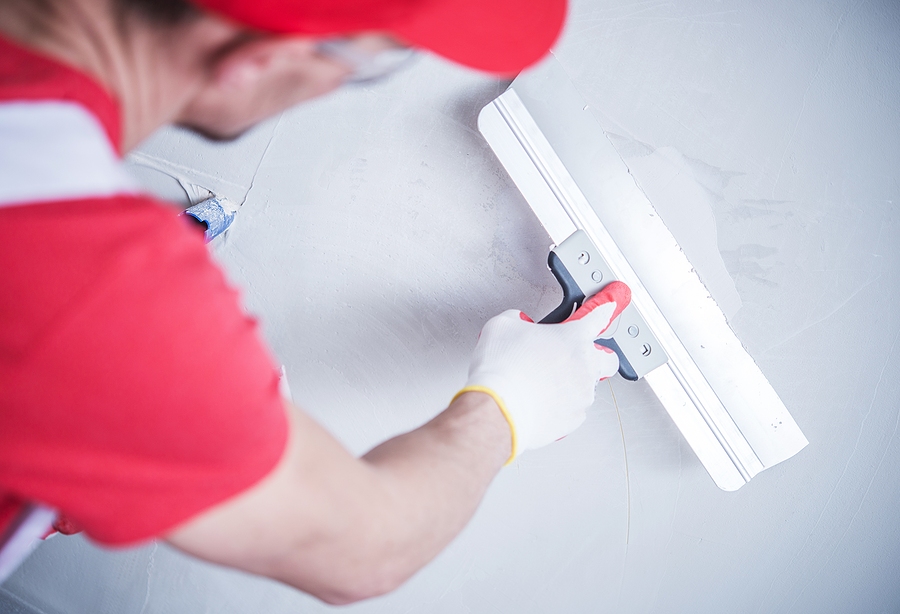
Call 317-269-7319 for Professional Water Damage Drywall Replacement in Indianapolis

The Importance of Early Water Damage Detection

Water damage doesn’t just ruin your walls and ceilings; it can lead to severe structural and health issues if left untreated. For homeowners and property managers, knowing what to look for is crucial. Early detection allows for prompt repair, preventing minor issues from escalating into major problems.

Common Signs of Water Damage in Walls and Ceilings

Discoloration and Water Stains

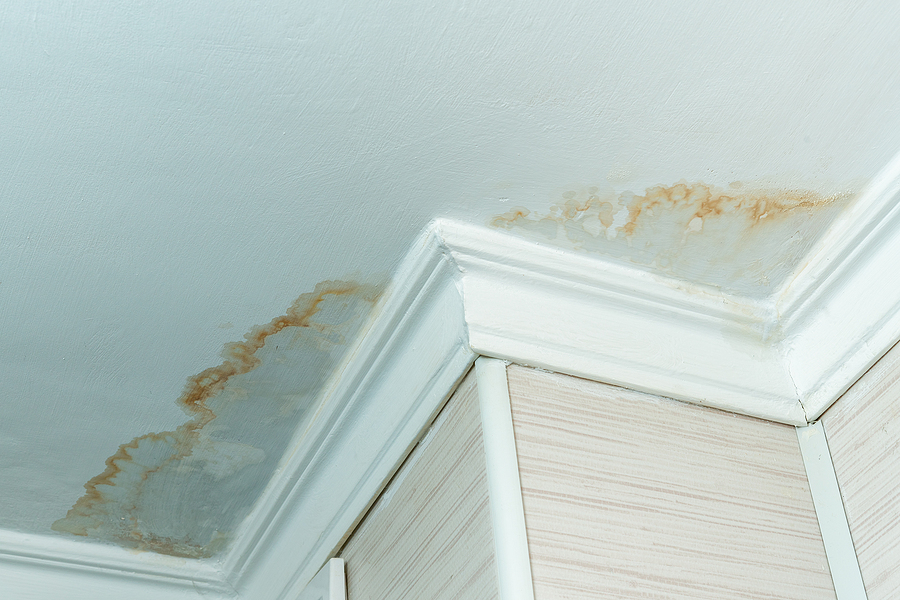
One of the first indicators of water damage is discoloration. Look for brownish or yellowish stains on your walls and ceilings. Water stains often indicate that water has seeped through the layers of your drywall or ceiling material. Discoloration can appear in various patterns, from small spots to large patches. Pay attention to areas around windows, doors, and roof lines, as these are common entry points for water.

Peeling or Bubbling Paint

If you notice paint peeling or bubbling on your walls or ceilings, it’s a strong sign of water damage. When water seeps into the walls, it disrupts the adhesion between the paint and the surface, causing it to peel or bubble. This is not just an aesthetic issue. It indicates underlying moisture problems that need addressing. Ignoring peeling or bubbling paint can lead to more extensive damage over time.

Sagging or Bulging Areas

Sagging or bulging in the walls or ceilings is a clear sign of water accumulation. This occurs when water saturates the material, making it heavy and weak. If you see areas that appear to be drooping or bulging out, it’s essential to investigate immediately. These spots are at risk of collapsing, posing a danger to anyone in the vicinity.

Musty Odors

A musty smell is often a hidden sign of water damage. This odor usually indicates mold or mildew growth due to prolonged moisture exposure. Musty odors are commonly found in basements, attics, and other areas with poor ventilation. If you detect a persistent musty smell, it’s time to inspect your home for water damage.

Top Causes of Residential Water Damage

Leaking Pipes

Leaking pipes are one of the most widespread sources of water damage. Pipes can leak due to age, corrosion, or high water pressure. Regularly inspect your plumbing for signs of leaks, such as pooling water, corrosion, or unusual dampness. Promptly fixing leaks can prevent significant water damage.

Roof Leaks

Roof leaks are another major cause of water damage in ceilings. Damaged shingles, cracked flashings, or clogged gutters can allow water to seep into your home. Regular roof inspections, especially after storms, can help identify and fix leaks before they cause extensive damage.

Poor Ventilation

Poor ventilation can trap moisture inside your home, leading to water damage. Bathrooms, kitchens, and basements are particularly susceptible to this issue. Ensure proper ventilation by using exhaust fans, opening windows, and installing dehumidifiers in areas prone to moisture buildup.

Flood Damage

Flooding can cause severe water damage to your home. Whether it’s from a natural disaster or a plumbing issue, floods can saturate walls, ceilings, and floors. It’s crucial to address flood damage immediately to mitigate its effects. Professional water damage restoration services can help dry and repair affected areas.

The Dangers of Ignoring Water Damage

Mold Growth

Mold thrives in damp environments, making water-damaged areas a perfect breeding ground. Mold can cause respiratory issues, allergies, and other health problems. Ignoring water damage can exacerbate mold growth, making it harder and more expensive to remove. Early detection and prompt action are key to preventing mold infestations.

Structural Damage

Prolonged water exposure can weaken the structural integrity of your home. Water can rot wood, corrode metal, and compromise the stability of walls and ceilings. If left unchecked, structural damage can lead to costly repairs and even pose a safety risk to occupants. It’s essential to address water damage promptly to maintain your home’s stability.

Health Risks

Water damage can create an unhealthy living environment. Mold, mildew, and bacteria can thrive in damp conditions, leading to various health issues. Respiratory problems, skin irritation, and allergic reactions are common in homes with untreated water damage. Protect your health by addressing water damage as soon as it’s detected.

How to Detect and Confirm Water Damage

Using Moisture Meters

Moisture meters are handy tools for detecting water damage. These devices measure the moisture content in walls and ceilings, helping you identify hidden water issues. Regularly using a moisture meter can help you catch water damage early, even before it becomes visible. Consider investing in one for routine home maintenance.

Inspecting for Visible Signs

Conduct regular visual inspections of your home, looking for the common signs of water damage mentioned earlier. Pay special attention to areas prone to moisture, such as basements, bathrooms, and attics. Keep an eye out for discoloration, peeling paint, sagging areas, and musty odors. Early detection can save you from more extensive repairs down the line.

Seeking Professional Help

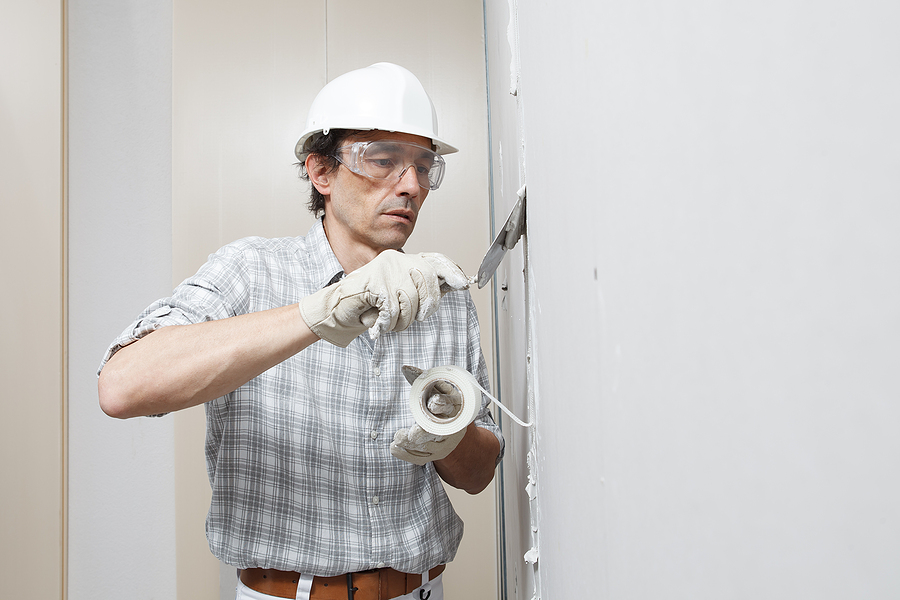
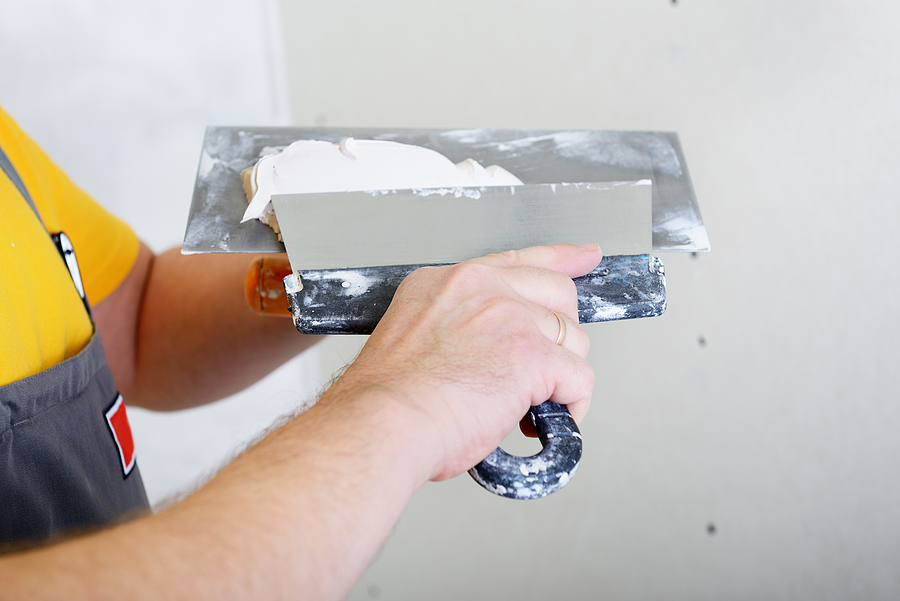
If you’re unsure about the extent of water damage or how to address it, seek professional help. Plumbing experts can assess the situation and recommend the best course of action for repairing the source of the water damage. Drywall contractors can remove and replace damaged drywall and ceilings, plus provide painting and texturing services. Professionals have the tools and expertise to thoroughly inspect and repair water damage, ensuring your home remains safe and dry.

Preventive Measures to Protect Against Water Damage

Regular Maintenance Checks

Regular maintenance checks are crucial in preventing water damage. Inspect your home’s plumbing, roof, and gutters regularly for signs of wear and tear. Promptly addressing minor issues can prevent them from escalating into major problems. Schedule routine inspections to keep your home in top condition.

Prompt Repairs of Leaks

Don’t delay in fixing leaks, no matter how minor they seem. Even small leaks can lead to significant water damage over time. Repairing leaks promptly can prevent water from seeping into walls and ceilings, reducing the risk of mold growth and structural damage.

Improving Home Ventilation

Improving ventilation can help prevent moisture buildup in your home. Use exhaust fans in bathrooms and kitchens, open windows to allow fresh air in, and install dehumidifiers in damp areas. Proper ventilation reduces the risk of water damage and creates a healthier living environment.

Waterproofing Strategies

Consider implementing waterproofing strategies to protect your home from water damage. Apply sealants to vulnerable areas, install sump pumps in basements, and ensure your home’s foundation is well-maintained. Waterproofing your home can provide an extra layer of protection against water damage, keeping your walls and ceilings dry and intact.

Taking Action to Safeguard Your Home

Water damage can be a homeowner’s worst nightmare, but early detection and prompt action can mitigate its effects. By understanding the common signs of water damage, its causes, and preventive measures, you can protect your home from costly repairs and health risks.

Don’t wait until it’s too late. Regular maintenance, prompt repairs, and proper ventilation are key to preventing water damage. If you suspect water damage in your home, seek professional help to assess and address the issue.

Did you find some water-damaged walls or ceilings in your home? Contact Drywall By Renso at 317-269-7319 for expert drywall replacement services in Indianapolis, Indiana. We serve residential and commercial clients throughout the Greater Indy areas. Protect your home and enjoy peace of mind knowing your walls and ceilings are in good hands. Request an estimate, today.

Related Posts:

Tips for Drywall Water Damage Clean Up
How to Remove Water Damaged Drywall
The Meaning Behind the Color of Mold on Your Walls

The Complete Handbook on Drywall Repairs and Maintenance

Drywall is an essential part of modern construction, providing a smooth and durable surface for walls and ceilings. However, like any material, it can incur damage over time. From minor cracks to significant holes, understanding how to repair drywall can save homeowners, business owners, property managers, and home buyers both time and money. In this comprehensive guide, we will explore frequently asked questions about drywall repair, offering practical advice and highlighting when it’s best to call a professional.

Call 317-269-7319 for Professional Drywall Repair in Indianapolis Indiana

What You Need to Know About Drywall

Drywall, also referred to as plasterboard or gypsum board, consists of a panel made from calcium sulfate dihydrate (gypsum) sandwiched between layers of thick facer and backer paper. It is commonly used in the construction of interior walls and ceilings due to its ease of installation and finishing. Despite its widespread use, drywall is susceptible to various forms of damage, which can affect the aesthetics and integrity of your property.

Typical Drywall Problems

Understanding the common issues that affect drywall can help you anticipate repairs and take preventive measures. Here are some frequently encountered drywall problems:

Cracks: Cracks in drywall are often caused by settling of the building, temperature fluctuations, or improper installation. These cracks can vary in size and severity, from hairline fractures to more significant splits.

Holes: Holes in drywall can result from various sources, such as doorknob impacts, furniture mishaps, or accidental damage. They range from small punctures to larger openings that expose the underlying structure.

Water Damage: Water damage occurs when drywall is exposed to moisture, leading to stains, softening, and even mold growth. Common causes include leaks from plumbing, roof damage, or flooding.

Nail Pops: Nail pops happen when the drywall nails or screws loosen and push the drywall surface outward, creating noticeable bumps. These are usually due to natural settling or incorrect fastening during installation.

Joint Tape Issues: Joint tape can bubble, wrinkle, or peel away from the drywall surface over time. This is typically due to poor adhesion during installation or moisture infiltration.

Common Drywall Repairs and Their Techniques

While some drywall renovations are straightforward and suitable for DIY enthusiasts, others require more skill and expertise. Here are step-by-step guides to common DIY drywall repairs:

Filling Small Holes and Cracks

Materials Needed:

  • Putty knife
  • Spackling compound or joint compound
  • Sandpaper
  • Paint (optional)

Steps:

  1. Clean the Area: Remove any loose debris or dust from the hole or crack.
  2. Apply Spackling Compound: Use a putty knife to fill the hole or crack with spackling compound. Smooth it over the surface, ensuring it is level with the surrounding drywall.
  3. Sand the Surface: Once the compound is dry, sand the area until it is smooth and seamless.
  4. Paint: If necessary, paint over the repaired area to match the rest of the wall.

Patching Larger Holes

Materials Needed:

  • Drywall patch or mesh tape
  • Joint compound
  • Putty knife
  • Sandpaper
  • Paint (optional)

Steps:

  1. Prepare the Hole: Cut away any loose or damaged drywall around the hole.
  2. Apply the Patch: Place a drywall patch or mesh tape over the hole.
  3. Cover with Joint Compound: Spread a layer of joint compound over the patch, feathering the edges to blend with the surrounding wall.
  4. Sand and Paint: Once dry, sand the area smooth and apply paint if needed.

Repairing Water Damage

Materials Needed:

  • Utility knife
  • Replacement drywall
  • Joint compound
  • Putty knife
  • Sandpaper
  • Paint (optional)

Steps:

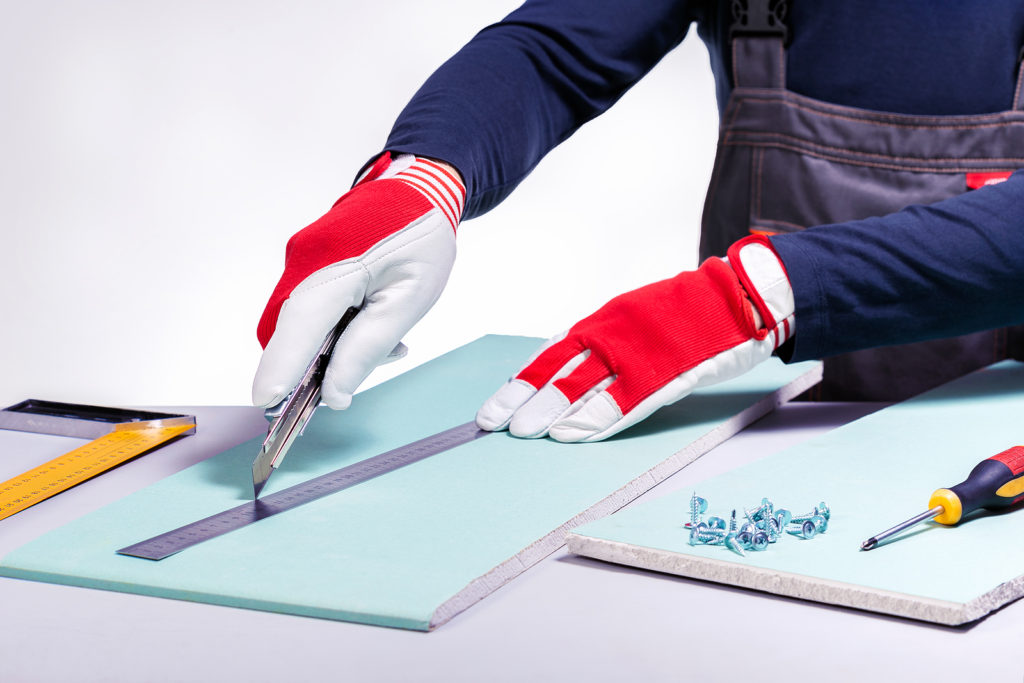
  1. Remove Damaged Drywall: Use a utility knife to cut out the damaged section of drywall.
  2. Replace with New Drywall: Cut a piece of replacement drywall to fit the hole and secure it in place.
  3. Apply Joint Compound: Cover the seams with joint compound, ensuring a smooth transition between the old and new drywall.
  4. Sand and Paint: Sand the repaired area and paint as needed.

When to Call a Professional Drywall Repair Company

While many drywall repairs can be handled by DIY enthusiasts, some situations require the expertise of a professional. Here are signs that it’s time to call a drywall contractor:

  • Extensive Damage: If the damage covers a large area or affects the structural integrity of the wall, it is best to seek professional help.
  • Water and Mold Issues: Water damage that has led to mold growth requires specialized treatment to ensure the mold is fully eradicated and the area is safe.
  • Complex Repairs: Repairs involving multiple layers of drywall, intricate textures, or high ceilings may be beyond the capabilities of a typical DIYer.

Benefits of Hiring a Professional:

  • Expertise: Professionals have the experience and skills to handle complex repairs efficiently.
  • Quality: A professional repair ensures a seamless finish that blends with the existing wall.
  • Time-Saving: Hiring a professional can save you time and effort, allowing you to focus on other tasks.

Cost Expectations for Drywall Repair

The cost of drywall repair can vary based on several factors, including the extent of the damage, the materials needed, and labor rates. Here are some average price ranges for common repairs:

  • Small Holes and Cracks: $50 – $150
  • Large Holes: $200 – $400
  • Water Damage Repair: $500 – $1,000
  • Professional Services: Rates vary but typically range from $50 to $100 per hour

Factors Influencing Cost:

  • Location: Prices may vary depending on your geographic location and local labor rates.
  • Material Quality: Higher-quality materials may increase the overall cost.
  • Extent of Damage: More extensive damage requires more time and resources to repair.

Tips for Preventing Drywall Damage

Preventing future drywall damage can save you time and money in the long run. Here are some tips for maintaining the integrity of your drywall:

Control Humidity: Keep indoor humidity levels between 30% and 50% to prevent moisture-related issues. Use dehumidifiers and proper ventilation in areas prone to humidity, such as bathrooms and basements.

Regular Maintenance: Inspect your walls and ceilings regularly for signs of damage. Address minor issues promptly to prevent them from becoming major problems.

Protect High-Traffic Areas: Install door stoppers and corner guards in high-traffic areas to prevent accidental damage from doorknobs and furniture.

Proper Installation: Ensure drywall is installed correctly by following industry standards and guidelines. Properly fasten drywall panels and use quality materials to minimize the risk of future damage.

Conclusion

Drywall repair is an essential aspect of maintaining the aesthetics and functionality of your property. Whether you’re a homeowner, business owner, property manager, or home buyer, understanding common drywall problems and repair techniques can help you address issues promptly and effectively. Remember, many repairs are perfect for DIY enthusiasts, but for more complex or extensive damage, don’t hesitate to call a professional.

While many repairs are suitable for DIY enthusiasts, don’t hesitate to call a professional for more complex or extensive damage. At Drywall By Renso, we specialize in professional drywall repair services in Indianapolis, ensuring your walls and ceilings look as good as new. Contact us today at 317-269-7319  for a consultation and let our experts handle all your drywall repair needs. Your satisfaction is our top priority, and we’re here to help you maintain a beautiful and functional space.

Related Posts:

What You Need for Minor Household Drywall Repairs
Where to Find Trusted Commercial Drywall Service in Indy
Want to Know Where Your Drywall Cracks Came From?

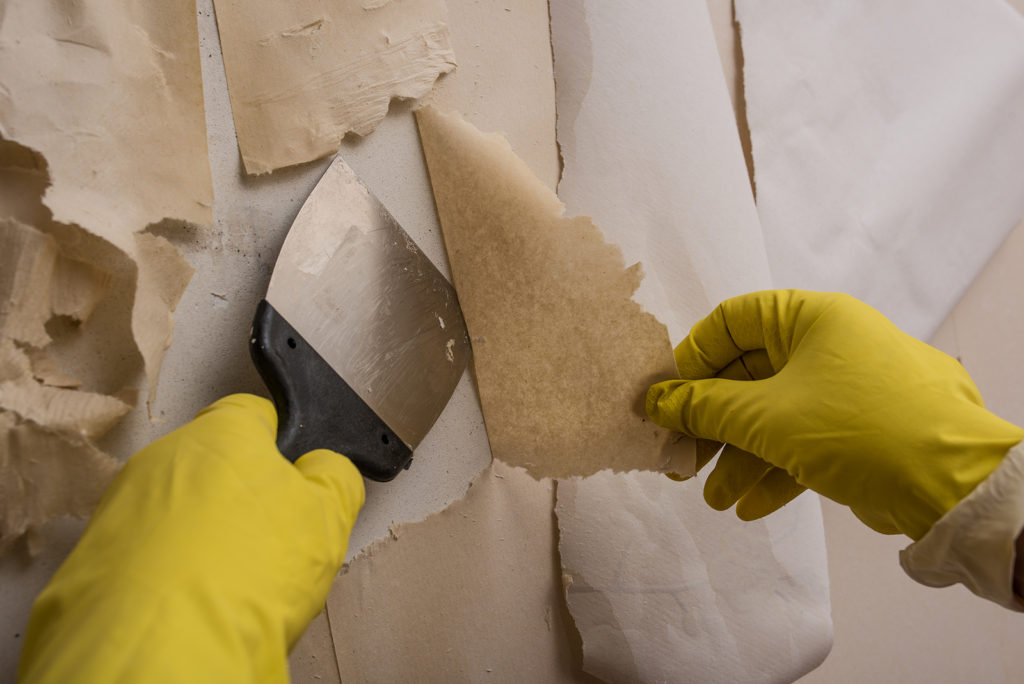
How to Choose the Right Wallpaper Remover

Let’s face it; wallpaper is not really a modern design. Unless you’re going for a high-end, funky or retro interior feel, the wallpaper in your home or office likely bothers you. Fortunately, with the right wallpaper removal supplies and products, you can easily detach old wallpaper and renovate your walls with traditional drywall refinishing and painting service. Not sure which items to buy for wallpaper removal?

Continue reading to learn some tips on choosing the proper wallpaper removers for your intended project, as well as some additional information about removing wallpaper you’ll need to know.

Indianapolis Wallpaper Removal Services
Indianapolis Wallpaper Removal Services 317-269-7319

Common Types of Wallpaper

When you go shopping for wallpaper removal items, you will immediately take notice that there are hundreds of options to choose from. But each tool and product are specifically designed for certain type of wallpaper removal. So, get to know what type of wallpaper you’re removing first in order to choose the right supplies for your project. For instance, if you are removing temporary wallpaper, you might not need heavy-duty supplies. If you are removing strippable wallpaper, you might need some additional supplies to get the job done. And if you are working with vinyl or water resistant wallpaper, you can expect to use all the recommended supplies and some elbow grease.

What You Need to Remove Old Wallpaper

The level of complexity for your wallpaper removal job will depend on several variables, primarily how old wallpaper is, and the quality of the preparation job done prior to installing it. Basically, the newer the wallpaper and the better prepped wall it was applied on, the easier it will be to take off. If your wallpaper is 20 years old or more, you can expect it to be a little bit more work. Fortunately, with the right supplies you can remove old wallpaper with ease. The top items you will need include a scraper, scorer, steamer, and some solvent.

Solvent – All moderate to heavy-duty wallpaper removal projects will require the use of the wallpaper removal solvent. These solutions help break down the adhesive used to install the wallpaper, thus allowing easier peeling, scraping, and overall removal.

Scraper – Regardless of the type of wallpaper you are removing, you are going to need a scraper. There are many types of scrapers to choose from, all ranging in different sizes, designs, and quality. Simply choose a scraper that fits your hand well and is within your budget. If you plan to remove a lot of wallpaper, consider purchasing a scraper with a removable and replaceable blade so you always have a sharp tool to work with.

Scorer – For wallpaper that is well secured to the wall, a scorer tool will help the removal process. Scorer cut several tiny incisions into the wallpaper, which allow wallpaper removal solutions to penetrate faster and work better.

Steamer – A steamer is an excellent tool when wallpaper removal solvent is not enough to break down the adhesive between the wall and the wallpaper. A steamer will penetrate the old wallpaper, and generate hot steam between the layers, which makes peeling and scraping away the old material much easier. Keep in mind though, this is a pricier tool compared to the rest.

Are you having trouble with your wallpaper removal project? Contact Drywall by Renso at 317-269-7319 for professional drywall repair service in Indianapolis, Indiana. We serve both residential and commercial clients all throughout Central Indiana.

You Might Also Like:

Best Practices for Removing Painted Over Wallpaper
Best Removable Wall Adhesives on the Market
How to Prep a Wall for a Heavy Mirror

Call Drywall By Renso at 317-269-7319 Today!

The 3 Main Types of Drywall

Although there are various forms of drywall available on the market, all of which commonly used in various construction applications, there are 3 primary types to be familiar with. Continue reading to learn more about traditional drywall, gypsum board, and Chinese drywall, including which to choose for your intended project or remodel.

Indianapolis Indiana Drywall Contractors
Indianapolis Indiana Drywall Contractors 317-269-7319

Top 3 Most Common Drywall Options

Drywall

Drywall is a construction material made from thin panels of gypsum board. It is used to construct walls and ceilings in residential and commercial structures. Drywall is also called wallboard, gypsum board, and plasterboard. It is called “drywall” because water is not required to use it for wall and ceiling construction.

Gypsum Board

Gypsum board is a universal term used to describe a family of panel-type products that retain a non-combustible core. Gypsum comes from the Greek term, “gypsos”, meaning plaster. It is a naturally-occurring mineral found in sedimentary rock formations. To acquire it, gypsum must be mined. Millions of tons of gypsum are mined every year in North America, and most of it is to manufacture drywall products. Gypsum contains large amounts of water bound in crystalline form, making it less prone to combustion. These boards are layered with gypsum rock and specialty paper material.

Chinese Drywall

Chinese drywall is a term used to reference an environmental health situation involving defective drywall material manufactured in China and imported to the United States in 2001. Laboratory testing revealed that the defective drywall emitted sulfurous gasses, including carbon disulfide, carbonyl sulfide, and hydrogen sulfide.

The U.S. Consumer Product Safety Commission (CPSC) and the Environmental Protection Agency (EPA) began investigating the effects of Chinese drywall in 2009, and concluded that there are short-term health implications from exposure, including respiratory problems, asthma irritations, sore throats, chronic headaches, and more. Long-term exposure can have health implications like chronic fatigue, nausea, loss of appetite, dizziness, and more.

Do you need professional assistance or advice for your drywalling project? Contact Drywall by Renso at 317-269-7319 for professional drywall services and custom drywall texture in Indianapolis, Indiana.

You Should Also Read:

FAQS About Drywall Repair and Installation
Should I Install Basement Drywall On My Own?
How to Spot Improper Drywall Installation

Call Drywall By Renso at 317-269-7319 Today!

The Meaning Behind the Color of Mold on Your Walls

Mold is everywhere. It’s all around us. But there is a difference between safe mold exposure, like Bleu cheese, and dangerous mold exposure, like aspergillus. When you start to spot mold growing in your house, it is important to address the issue as soon as possible in order to prevent upper respiratory illness and other health implications. If you have mold growing on your drywall, it is an even more pressing matter, and should be inspected right away. To preface your appointment with a mold remediation company, it helps to find out which type of mold you might be dealing with. You can usually do this by simply pinpointing its color.

Continue reading to learn what the color of the mold on your wall is and what’s likely causing it, as well as how to repair moldy walls after remediation work.

Indianapolis Indiana Drywall Replacement
Indianapolis Indiana Drywall Replacement 317-269-7319

What Color of Mold Do You Have on Your Drywall?

Greenish-Black – Mold that appears greenish-black in color could be Stachbotrys genus, which is also known as “black mold.” Exposure to such mold has been linked to serious health conditions. It commonly grows on high-cellulose, low-nitrogen surfaces, such as drywall, gypsum board, paper, dust and lint that is constantly exposed to moisture.

Blue, Green, or White – Molds of these colors generally point to the Penicillium genus. Several years ago, this species of mold was used to make penicillin. Nowadays, it is usually found growing on food or on walls. It can cause allergic reactions, allergies, and other respiratory problems.

Olive Green, Gray, Brown, or Black – Molds that appear in these color formations likely belong to the Cladosporium genus. You can find this mold growing indoors and outdoors on things like plant leaves, soil, walls, insulation, and damp carpeting. According to the CDC, they are most commonly linked to minor health complications like skin, eye, and sinus infections; but they have also been known to brain infections like fungal meningitis.

Pink – Pink mold is often seen in the bathroom or kitchen, but it is not actually mold at all. It is a bacterium called Serratia marcescens. Although not a mold, it still presents hygiene and health issues, like urinary tract and respiratory infections.

Green – Green mold is very vague since it can be any kind of unpleasant fungus. There are literally thousands of species of green mold, so green mold doesn’t tell you much, expect that it needs to be removed.

Yellow, Green or Black – Mold that appears yellow, green, or black could possibly be Aspergillus mold. According to the CDC, we breathe these molds in almost every day without getting sick. However, concentrated exposure can be hazardous, especially for those with existing lung problems or suppressed immune systems. In individuals like these, it can cause aspergillosis, which presents itself as coughing, wheezing, and sinus inflammation.

Do you need drywall replacement after your mold remediation work is complete? Contact Drywall by Renso at 317-269-7319 for professional drywall services and custom drywall texture in Indianapolis, Indiana. We serve both residential and commercial clients.  Request a free estimate, today!

You Might Also Like:

What You Need to Know About Wet Walls and Mold Growth
Tips for Mildew and Mold Protection After Heavy Rains
How to Remove Water Damaged Drywall

Call Drywall By Renso at 317-269-7319 Today!

How Proper Drywall Work Can Reduce Sound

If you are building a new home or office, choosing the right drywall materials is key to indoor comfort. One aspect of indoor comfort is peace and quiet. There are several types of noises a good dry wall can help reduce, making it an important part of your property’s overall construction. Continue reading for a further explanation of the types of noises that can be blocked out with a quality drywall.

Indianapolis Drywall Services 317-269-7319

Decreasing Exterior Noise

The first type of noise that tends to reduce your quality of living is exterior clamor. This includes the bothersome sounds and clatter of the outside world, such as traffic, airplanes, lawn mowers, construction, chattering wildlife, barking dogs, passing pedestrians, inclement weather, and more. The problem with these noises is that they generally occur at low frequencies, which happens to be the most difficult to isolate. An expert drywall contractor and the right materials can help to significantly reduce these inconvenient outdoor noises.

Interior Noise

If the outside can leak bothersome noise into the house, then indoor noises can do so too. Indoor noise from room to room can cause all sorts of problems, especially for napping children, third shift workers, wok-from home employees, and more. These are also known as “flanking noises” because they travel from room to room via floors, air pockets in ceilings, and ductwork. Common indoor clatter that can be reduced with the right drywall includes televisions, radios, blenders, major home appliances, garage doors, slamming doors, pets, children, and more.  

Impact Noise

Aside from indoor and outdoor noise, there is impact noise, which can come from both the interior and exterior of a house or building. Impact noise is the sound that results from two objects colliding, such as heavy footsteps, moving furniture, something breaking, slamming doors, and more. This type of noise is more bothersome than the others because it travels more freely through walls via air pockets.

Drywall Contractor Hiring Tips

You don’t want to find a contractor that only meets all your drywall needs, you want a contractor to also meet your need to feel safe and secure; this way, you know you can trust them to do their job effectively, and in a timeline that’s convenient for you. Some topics to consider when looking for a company to provide drywall installation, repair, or replacement include experience, credentials, services offered, and client testimonials.

Do you need professional drywall work for your home or office? Call Drywall by Renso at 317-269-7319 to request a written estimate for licensed drywall installation and repair in Indianapolis, Indiana. We provide a wide range of drywall services for both residential and commercial clients.

You Might Also Enjoy:

Should I Install Basement Drywall On My Own?
How Much Does it Cost to Drywall a House?
FAQS About Drywall Repair and Installation

Call Drywall By Renso at 317-269-7319 Today!

Basic Drywall Repair and Installation Supplies for All Size Jobs

Regardless of the type of drywall project you have on deck, or the amount of drywalling experience you have under your belt, there are some basic tools and materials you will surely need. Continue below to learn the fundamental supplies you should have in your beginner’s drywall repair toolbox.

Indianapolis Drywall and Painting 317-269-7319
Professional Drywall and Painting in Indianapolis 317-269-7319

Fundamental Drywall Tools and Materials

Drywall Compound

Also called drywall “mud”, there are two common types of joint compound used to repair and patch: light-weight and all-purpose. Both are easy to work with and retain a room-temperature shelf-life of 9 months. The most important tip for buying drywall compound is to buy enough. For large projects, expect to purchase 4.5 gallon bucket of material. For smaller projects, you can get away with a one gallon bucket, but you may be paying close to the same amount for a larger bucket. If you think you might have future work in the next 9 months, it is more cost-effective to go with the larger bucket. If not, go with the smaller amount so to not waste any material.

Spackle and Plaster

Many people are confused about the difference among drywall compound, spackle, and plaster. The differences are subtle, and hardly noticeable to the average layperson, but they do exist. Compound, joint compound, or drywall mud all refer to the same product, and used mostly for larger drywall and gypsum board projects that require more durability, typically for covering joints between panels. Spackle is very similar to joint compound, but used mostly for small household repairs for plaster and drywall. Plaster is a type of wall material found mostly in older or historic buildings. It is a more time-consuming approach to wall repair in comparison to spackle.

Drywall Repair Tools

You can purchase drywall repair kits that come with virtually all the essentials for drywall patching and repair. Kits range in quantity, size, and price, but common ones generally include 2-3 flexible knives, a utility knife, an insider-corner knife, hammer, screwdriver, saw, drill, nails, and screws. But drywall repairs also require additional materials depending on the needs of the project, including:

► Compound
► Self-adhering Mesh Tape
► Paper Tape
► Drywall
► 1×4 Block of Pine Wood
► Hand Sander
► Nail Bar
► Level
► Hack Saw
► Sandpaper
► Miter Box
► Primer
► Paint
► Paint Brush or Roller

Where to Get Drywall Supplies

You can purchase all of the above-listed materials at any local hardware or home improvement store. Ask a store attendant to point you in the right direction, and give advice on the most reliable products. Talk to a licensed drywall contractor for expert advice on household drywall repairs, drywall projects, drywall replacement, and more. They can even take the weight off your shoulders by getting the job done faster, better, and at a price that won’t make you think twice!

Professional Drywall Repair and Installation in Indianapolis

Call Drywall by Renso at 317-269-7319 for Indianapolis drywall repair and installation service. We are experienced drywall contractors who offer a wide range of residential and commercial drywall service, including repair, replacement, installation, new home construction, metal stud framing, custom drywall texture, grid ceilings, and much more. Call 317-269-7319 to request a free estimate, today.

Which Drywall Screws Do I Need?

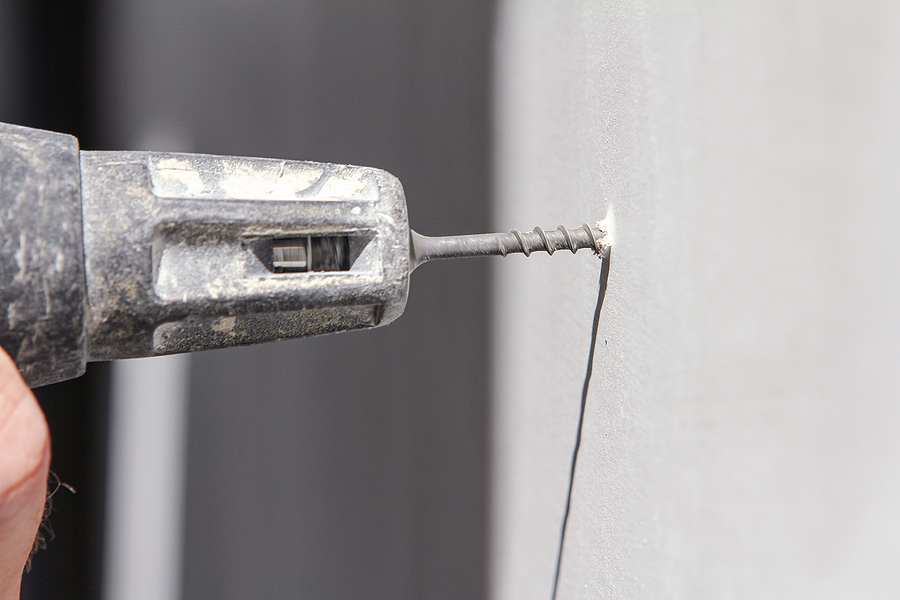
Drywall hanging and repairing requires certain tools that must be used to get the job done right. The same rule applies for even the tiniest detail, like drywall screws. There are several options for drywall fasteners, but not all of them are good choices. The most effective nails and screws are the ones that provide a sturdy, long-lasting hold, while at the same time allowing for the proper amount of countersinking.

Continue reading to learn about a few of the most common and effective drywall screws, and how they are applied in drywall installation.

Indianapolis Indiana Drywall Contractors
Indianapolis Indiana Drywall Contractors 317-269-7319

Always Use the Right Screw for the Right Job

Drywall screws are a little more expensive, but they do provide a stronger hold. There are many drywall fasteners that come in the form of a Philips head, but they are not all the same in terms of performance and value. The screw you choose will largely depend in the drywall application you have in store, but also on the quality of screw you are looking for.

Here are four of the most common drywall screws used to hang gypsum:

Self-Drilling – Also used as pan head screws, these are effective for metal stud framing.

Course – These screws have courser threads that securely fasten drywall to its studs.

Fine – These screws have smaller heads and finer threads that work well to secure gypsum board.

Trim-Head – Use these screws to attach wood trim over drywall.

You May Also Need Drywall Nails

There are also several types of drywall nails that are effective for fastening smaller parts to a larger base. In fact, there are 3 specific type of drywall nails that are commonly used in drywall installation. These common gypsum board nails include:

Drywall Nails – These are standard nails used to attach drywall to wood frames. They are designed with a large head and a barbed shank, giving them a stronger holding capacity. Some are even sterilized to protect against oil and dirt.

Cupped-Head Nails – These have rounded heads that allow for easier countersinking and a smooth, flat finish. They are commonly used to secure drywall to wood framing. They require to use of joint compound to cover the exposed head.

Cement-Coated Nails – These nails have a resin-coated shank that is smooth. This allows for stronger holding power. Their common application is to secure drywall to wooden framing.

Professional Drywall Installation
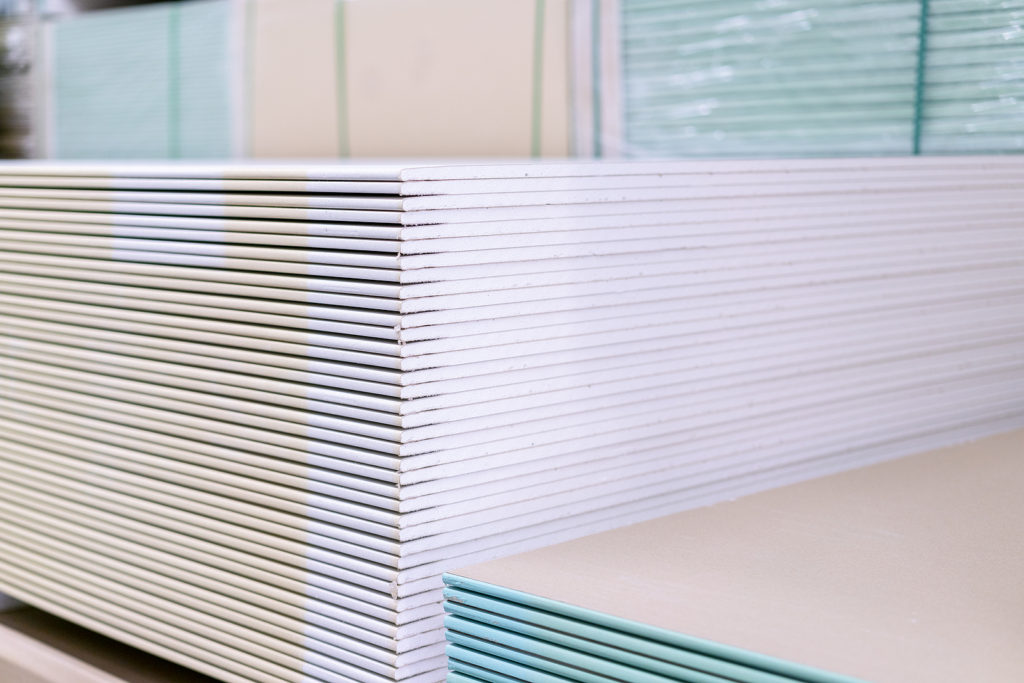
It is highly recommended to hire a licensed contractor for drywall installation and repair. They have the proper training, experience, and resources to provide professional drywall service in a convenient time frame. You don’t want to make the mistake of injuring yourself or damaging your property if you have never hung drywall before!

Certified Drywall and Painting Services in Indianapolis, Indiana

Call Drywall by Renso at 317-269-7319 when you need professional drywall services in Indianapolis, Indiana. We are a licensed, bonded, and insured drywall company that provides residential and commercial drywall work at competitive prices, including professional painting and trim work. Contact us anytime to request a free estimate, today.

What You Need for Minor Household Drywall Repairs

Drywall repair involves a lot of steps. It’s more than just mud and patching. In fact, you are wise to leave moderate to major drywall repairs in the hands of an equipped professional. They have the tools, training, and experience to manage any drywall repair project, regardless of size or scope. However, if you are ambitious about making your own minor drywall repairs, you’ll at least need the basic tools to get you started. You can get that information and more, below.

Indianapolis Indiana Drywall Contractors 317-269-7319

Keep in mind that these tools are not cheap, so you must consider whether or not they are worth the investment. Unless you have future drywall repair plans, it may be more cost-effective to outsource drywall work rather than invest in your own materials for just one job.

Here’s What You’ll Need

The basic tool kit for minor drywall repairs should consists of at least 6 particular items. These include a putty knife, mud pans, sanding sponge, sandpaper, drywall tape, and corner tools. You can find these supplies at any local home improvement or hardware store, such as Lowes, Menards, and Home Depot.

Mud Pans

Your mud pan is a staple in your drywall tool kit because it will improve work efficiency. You will use it to carry around your drywall compound with you as you work. Professional drywall contractors use hawks, but mud pans are best for small jobs and beginners.

Putty Knife

There are several types of drywall knifes, ranging in sizes between 2 inches and one foot. You will need to be sure you choose one that is right for minor drywalling repair projects. Anything under 6 inches should work well.

Sanding Sponge and Sandpaper

With virtually all drywall repair projects, painting is expected to be on the agenda. And with painting comes sanding. You will need to smooth down the drywall compound for a smooth painting surface. The proper grit sandpaper or sanding sponge are two tools that will help you achieve the best results during the sanding steps.

Drywall Tape

For small holes and drywall cracks, you will need tape to secure them in place and ensure the crevices do not reappear beneath the compound. Larger holes should be covered with adhesive mesh or special self-adhesive sheets.

Corner Tools

You will need corner tools for drywall repairs in the hard-to-reach corners of walls. Not only will this reduce stress on your muscles, it will make your work progress more efficient. Just be sure to find the right corner tools for small repair jobs.

Professional Drywall Repair Services in Indianapolis, Indiana

Call Drywall by Renso at 317-269-7319 for professional drywall repair services in Indianapolis, Indiana. We provide a wide range of drywall services, including patchwork, hole repair, crack repair, installation, grid ceilings, custom textures, and more. Whether commercial or residential, our team of licensed drywall contractors are fully-equipped to get the job done in a time frame that’s convenient for you! Call 317-269-7319 to learn about our Indianapolis drywall services, prices and availability, today.

Trending Interior Paint Colors for Fall and Winter

When you are giving your home or office a new look, nothing does the trick better than a fresh coat of paint. Selecting the right paint colors is a challenge in itself, but choosing the right paint colors for rooms that get little to no natural light can be even trickier. With fall and winter soon ahead, most of your interior rooms will receive less light, and therefore, be dimmer than spring and summer. Fortunately, there are some paint palates that work well with low lighting, and perfectly compliment the cooler seasons ahead!

Continue reading to learn the current, 2020 fall interior paint colors that are trending right now!

Indianapolis Damaged Wall Repair 317-269-7319

Brown

Not all browns will do, but a milk-chocolatey shade will be a good fit for any dim-lit room. If you go too dark with your shade of brown, it can make your room look smaller and feel cramped. Furthermore, if you do go with the right shade of chocolate brown, try accenting it with lighter colored décor and printed upholsteries to balance it all out.

Gray

For offices and commercial settings, a true shade of gray makes the perfect color option for a dimly lit room. The key to using gray paint in a room that lacks natural light is to choose a gray shade that is not too dark. The right color gray can be used in both well-lit and dim-lit rooms.

Light Blue

A light, powder blue color can really open up a darker room. As a classic and timeless color option, you can feel confident in your choice. Pair your light blue paint with bold white moldings and dark colored furniture to really make it pop.

Lavender

A delicate shade of lavender, like powder blue, can instantly brighten up a dark, dim room. It is also one of the most forgiving colors to work with in hi-lit and low-lit rooms, so you can choose any shade that matches your taste. In bedrooms, lighter shades are great for youngsters, while slightly darker, dusty violets are great for grownups.

Soft Yellow

Pale colors help to lighten up a dark room, and soft shades of yellow top the list. Pale, buttery yellows are the perfect match for low lit rooms because they essentially mimic sunshine by reflecting artificial light. They give a luminous and bright appearance, without overpowering the room. Pair pale yellow walls light to medium wood tones for a classic look.

Got some wall damage to repair before you paint? Hire a Pro for Pro Results!

Indianapolis Drywall Services You Can Trust

Call Drywall by Renso at 317-269-7319 when you need drywall services in Indianapolis, Indiana. We are a licensed, bonded, and insured drywall company that provides residential and commercial drywall work at competitive prices. Call 317-269-7319 to request a free estimate, today. Call 317-269-7319 to request a free estimate, today.