
If you’re planning a bathroom remodel or a kitchen renovation, you’ve likely come across two very different building materials: cement board and drywall. At first glance, they might seem interchangeable—both come in large, flat sheets and get installed on walls and floors. But treating them as the same product can lead to costly mistakes down the road, especially in areas exposed to moisture.
This guide breaks down what cement board is, how it differs from drywall, and which material makes sense for your next project. By the end, you’ll know exactly when to reach for each one—and why the choice matters more than you might think.
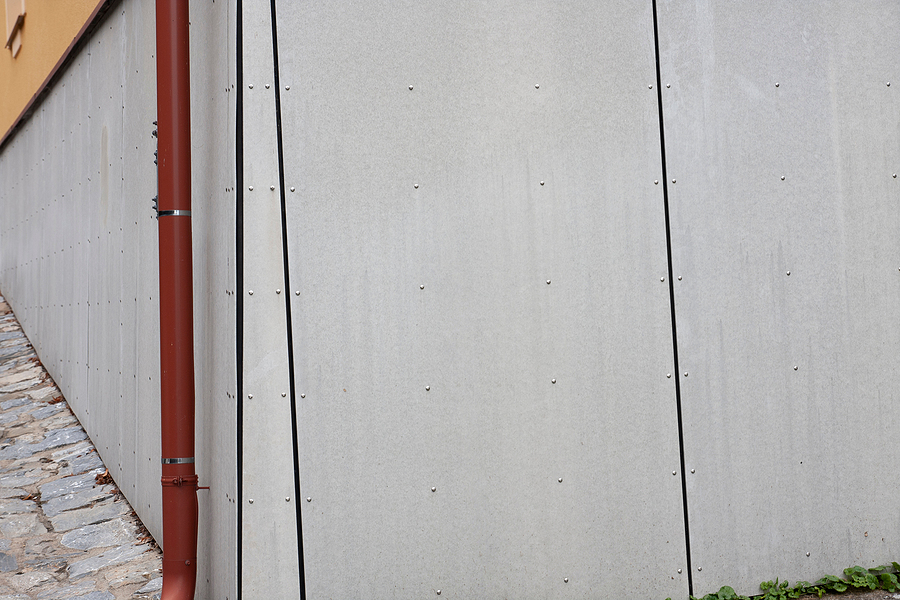
What Is Cement Board?
Cement board is a rigid panel made from cement combined with reinforcing fibers, typically fiberglass mesh or cellulose fibers. This combination creates a dense, sturdy material that holds up well in conditions that would destroy other building products.
Unlike gypsum-based drywall, cement board doesn’t rely on paper facing for structure. Its composition makes it naturally resistant to water damage, mold growth, and general wear.
How Cement Board Is Made
Manufacturers typically use a process that combines cement, cellulose fibers, and sometimes sand or other additives into a strong, uniform sheet. Fiberglass mesh embedded in the material adds extra stability, helping the board resist cracking and warping over time.
Common Uses for Cement Board
Cement board serves as a backer material in areas where moisture is a constant factor. You’ll typically find it in:
- Shower and bathtub surrounds
- Bathroom and kitchen tile backing
- Kitchen backsplashes and countertop underlayment
- Fireplace surrounds
- Exterior wall sheathing and stucco substrates
- Outdoor kitchens and covered patios
Contractors reach for cement board in these spaces because it won’t swell, deteriorate, or grow mold the way drywall can when exposed to consistent moisture.
Cement Board vs. Drywall: Key Differences
While both materials come in sheet form and serve as a base layer for walls, ceilings, or floors, their similarities end there. Here’s how they stack up against each other.
Moisture Resistance and Durability
This is where the two materials part ways most dramatically. Standard drywall, made from gypsum and paper, absorbs water easily. Prolonged exposure causes it to swell, crack, and eventually grow mold.
Cement board, by contrast, resists water absorption and won’t break down when it gets wet. It’s not entirely waterproof drywall, so a proper waterproof membrane is still recommended in shower areas, but it stands up to moisture far better than drywall ever could.
Cement board also wins when it comes to impact resistance. Its dense composition holds up to knocks and bumps that would dent or puncture standard drywall.
Weight, Size, and Installation
Cement board sheets typically measure 3 feet by 5 feet, while drywall sheets come in larger 4-foot by 8-foot panels. Cement board is also noticeably heavier and thicker, generally ranging from ¼ inch to ½ inch, compared to drywall’s ½ inch to ⅝ inch range.
That added weight and density make cement board more difficult to cut and install. Instead of a simple utility knife, installers typically need a scoring tool or a circular saw fitted with a fiber-cement blade.
Cost Comparison
Drywall is the more budget-friendly option. A standard 4-by-8-foot sheet costs around $8, while a 3-by-5-foot cement board sheet runs closer to $10. When you calculate the price per square foot, drywall comes out to roughly $0.25, compared to about $0.67 for cement board.
Labor costs tend to follow the same pattern. Cement board’s weight and the specialized tools required for cutting and fastening often mean higher installation costs than a comparable drywall job.
Appearance and Finishing
Drywall offers a smooth, paintable surface right out of the box, making it ideal for the visible walls and ceilings throughout most of a home. Cement board has a rougher texture that isn’t designed for paint or decorative finishes. Instead, it’s meant to be covered with tile, stone, or another surface material.
When to Use Cement Board (and When Drywall Makes More Sense)
Choosing the right material comes down to understanding the environment your walls or floors will face.
Best Applications for Cement Board
Reach for cement board any time you’re tiling a wet area or need a surface that can handle sustained moisture exposure. This includes shower walls, tub surrounds, bathroom floors, and kitchen backsplashes. It’s also a smart choice for exterior applications, since it resists weather, pests, and fire far better than wood-based alternatives.
When Drywall Is the Better Choice
For dry interior spaces like living rooms, bedrooms, and hallways, drywall remains the practical choice. It’s lighter, easier to install, more affordable, and provides the smooth, paint-ready finish most homeowners want throughout the majority of their living space.
Installing Cement Board: What to Expect
Cement board installation involves a few extra steps compared to hanging drywall. Sheets need to be fastened with corrosion-resistant screws, spaced roughly every 8 inches along the studs or joists. Joints require alkali-resistant fiberglass mesh tape and thin-set mortar to create a smooth, stable surface for tiling. Installers also need to leave small expansion gaps between sheets to prevent cracking over time.
DIY vs. Professional Installation
While experienced DIYers can install cement board with the right tools and patience, the process is more labor-intensive than a typical drywall project. Cutting the material creates fine dust that requires proper ventilation and protective gear. For larger installations, especially in bathrooms and kitchens where a watertight result is critical, hiring a professional drywall contractor helps ensure the job is done correctly the first time.
How Long Does Cement Board Last?
One of cement board’s biggest advantages is its longevity. With proper installation and care, cement board can last for decades, particularly in moisture-heavy environments where drywall would fail much sooner. Because it resists water absorption, mold, and pest damage, it requires far less maintenance over its lifespan than gypsum-based alternatives.
Frequently Asked Questions
Is cement board waterproof?
Cement board is highly water-resistant but not fully waterproof. A waterproof membrane is still recommended in high-moisture areas like showers.
Can I use cement board on all my walls?
You can, but it’s usually unnecessary. Cement board is designed for wet or high-impact areas. Standard drywall is more practical and affordable for the rest of your home.
Is cement board more expensive than drywall?
Yes. Cement board costs more per square foot than drywall, and installation labor is typically higher due to the specialized tools and techniques required.
Can cement board be painted?
Cement board isn’t designed for paint or decorative finishes. It’s meant to serve as a backing material for tile, stone, or other surface coverings.
Get Expert Guidance for Your Next Project
Choosing between cement board and drywall doesn’t have to be a guessing game. The right material depends on your space, your budget, and how much moisture that area will face over time.
If you’re planning a renovation in Indianapolis and want expert advice on the best materials for your project, the team at Drywall by Renso is ready to help. Reach out today to discuss your project and get a solution built to last.
Related Posts:
Choosing the Right Drywall For Your New Construction Home
How to Choose the Right Drywall for Your Garage
Unexpected Costs of Drywall Installation: What You Need to Know