
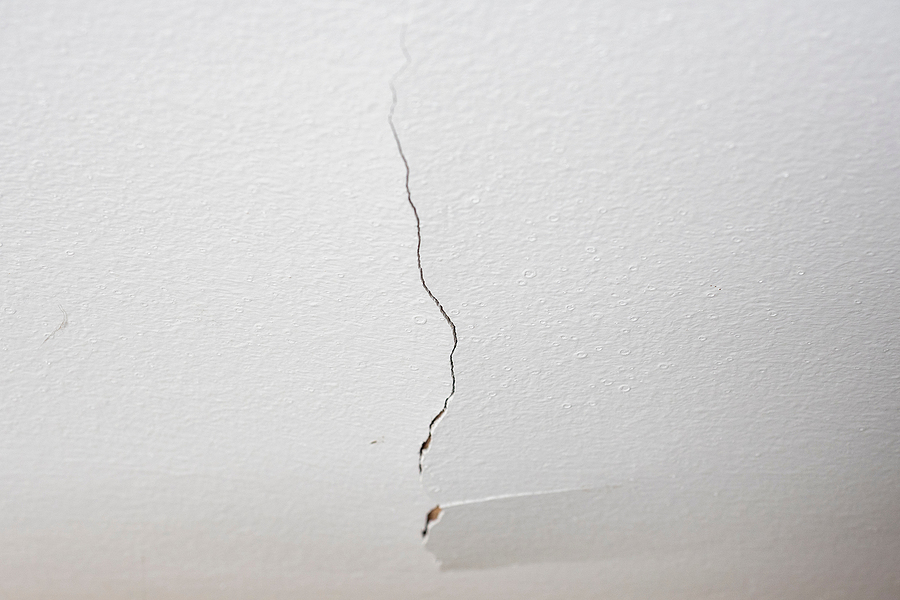
A small crack appears in your ceiling. It’s thin, barely visible—easy to dismiss as nothing. But that nagging thought lingers: Is this something I should fix?
Ceiling cracks are one of the most common concerns homeowners face, and for good reason. Some are purely cosmetic, caused by normal house settling. Others signal something more serious, like water damage or structural movement. Knowing the difference isn’t just about peace of mind—it can save you thousands of dollars in repairs down the road.
This guide breaks down exactly when to repair ceiling cracks, when it’s safe to monitor them, and when it’s time to pick up the phone.
What Causes Ceiling Cracks?
Before deciding on a course of action, it helps to know why ceiling cracks form in the first place.
Structural Settling and Age-Related Wear
All homes settle over time. As a building’s foundation shifts slightly, stress concentrates along weak points—particularly where different materials meet. This gradual movement often produces fine, linear cracks in drywall or plaster ceilings. In most cases, this is a normal part of a home’s lifespan, not a cause for alarm.
Moisture and Water Damage
Leaky roofs, burst pipes, or condensation from poor ventilation can all introduce moisture into your ceiling. Water weakens drywall and plaster, causing cracks to form—often accompanied by brown staining or bubbling. Left unaddressed, moisture problems can lead to mold growth and more extensive structural damage.
Poor Construction or Installation
Sometimes cracks stem from workmanship issues: inadequate taping at drywall joints, insufficient fastening, or mismatched materials. These cracks typically appear early in a home’s life and tend to follow joint lines between drywall sheets.
Temperature and Humidity Fluctuations
Building materials expand and contract with changes in temperature and humidity. Over time, this repeated thermal movement creates stress in ceilings—especially in homes with poor insulation or ventilation. Indianapolis homeowners, who experience significant seasonal temperature swings, are particularly familiar with this phenomenon.
When to Repair Ceiling Cracks
Some cracks demand attention. Here’s what to watch for.
Cracks Wider Than 1/4 Inch
Width is one of the clearest indicators of severity. According to experts, any crack wider than about 1/16 of an inch warrants professional evaluation—but cracks approaching 1/4 inch are a more obvious red flag. A wide crack suggests significant movement or material failure, not just surface-level wear.
Multiple Cracks Forming a Pattern
A single small crack is one thing. Multiple cracks appearing across different areas of your ceiling—or forming a stair-step or diagonal pattern—suggest something more systemic. This kind of widespread cracking can indicate foundation movement or roof spreading, both of which require professional assessment.
Cracks Accompanied by Sagging or Water Stains
A crack paired with a sagging ceiling section or brown water staining is a clear signal to act. Sagging indicates that the structural integrity of the ceiling material has been compromised, while water stains confirm an active or past moisture problem. Neither should be ignored.
Signs of Ongoing Movement or Structural Issues
If your doors or windows are sticking, your floors feel uneven, or cracks keep reappearing after you patch them, the problem likely runs deeper than the ceiling itself. These symptoms together point to ongoing structural movement—something a qualified structural or drywall repair contractor needs to evaluate.
When You Can Monitor Small Cracks
Not every ceiling crack demands immediate repair. Some are genuinely harmless—at least for now.
Hairline cracks less than 1/8 inch wide are the least concerning. These thin fractures commonly result from minor settling, seasonal material movement, or slight imperfections in the original installation. They’re cosmetic rather than structural.
Watch for these reassuring signs:
- No water damage – No staining, bubbling, or musty smell near the crack
- No movement – Pushing gently on the edges of the crack produces no give or flexing
- Isolated location – The crack appears alone, with no other cracks forming nearby
- Stable over time – The crack hasn’t grown in length, width, or depth over several weeks
A simple monitoring method: draw pencil marks at both ends of the crack, then check back in two to three weeks. If it hasn’t grown, you’re likely dealing with a cosmetic issue.
How to Temporarily Address Cracks
For minor, stable cracks, a few DIY approaches can keep things looking tidy while you monitor the situation.
Spackling and Sanding
Clean the area around the crack, then apply a thin layer of lightweight spackling compound using a putty knife. Once dry, sand it smooth and touch up with matching ceiling paint. This works well for hairline cracks in drywall ceilings.
Caulking Methods for Minor Gaps
For cracks along ceiling edges or where the ceiling meets a wall, a paintable latex caulk can provide a flexible seal. Unlike rigid spackling, caulk can handle minor movement without cracking again immediately.
When Temporary Fixes Are Sufficient—and When They’re Not
Temporary fixes are appropriate for isolated, stable, cosmetic cracks. They buy time and improve appearance. However, if a patched crack reappears within weeks, that’s a strong signal the underlying cause hasn’t been addressed. Don’t keep patching the same crack—get it professionally evaluated.
To prevent minor cracks from worsening, maintain consistent indoor humidity levels, address any roof or plumbing leaks promptly, and check your ceiling annually, especially after harsh Indiana winters.
When to Call a Professional Drywaller
Some situations go beyond DIY territory.
Call a professional drywall repair service if you notice:
- Cracks that grow wider or longer within a few weeks
- A ceiling crack that keeps coming back after you repair it
- Sagging, bowing, or any section of ceiling that feels soft or gives when touched
- Brown water stains or visible moisture around a crack
- Multiple cracks appearing in different rooms simultaneously
- Cracks accompanied by sticking doors, uneven floors, or other structural symptoms
Professional ceiling repair costs range from $438 to $1,682 on average, according to HomeAdvisor’s 2025 data. For a simple drywall crack repair, expect to pay between $150 and $500. Structural damage—like a compromised ceiling joist—can cost between $150 and $750 to repair, while more significant structural work runs considerably higher.
Catching drywall problems early almost always means lower repair costs. A crack ignored for years tends to become a far more expensive problem than one caught and addressed promptly.
Frequently Asked Questions
Can I patch ceiling cracks myself?
Yes, for minor hairline cracks that show no signs of growth, water damage, or structural movement. Spackling compound and sandpaper are sufficient for small cosmetic repairs. For anything wider than 1/8 inch, recurring, or accompanied by other symptoms, professional repair is the safer choice.
How much does professional ceiling repair cost?
According to HomeAdvisor, most homeowners pay between $438 and $1,682 for professional ceiling repair, with an average of around $1,056. Simple crack repairs typically fall between $150 and $500, while structural issues cost significantly more.
Are ceiling cracks a sign of foundation problems?
Not always. Many ceiling cracks result from normal settling, moisture, or temperature fluctuations. However, wide cracks, stair-step patterns, or cracks that appear alongside sticking doors and uneven floors can indicate foundation movement. A professional inspection will give you a clear answer.
How often should I inspect my ceiling?
A visual inspection twice a year is a good habit—ideally in spring and fall, when seasonal temperature changes are most likely to cause movement. Pay particular attention after heavy storms, which can introduce roof leaks.
Not sure whether that crack in your ceiling is something to worry about? Don’t guess. Drywall by Renso serves homeowners across Indianapolis, Indiana, with honest assessments and expert drywall repairs—big or small. Request a free estimate today and get a clear answer from a local professional you can trust.
Related Posts:
What to Consider Before Having Your Suspended Ceiling Repaired
Look Up With Delight: Finding Expert Ceiling Repair in Indianapolis
What it Takes to Get Rid of a Popcorn Ceiling