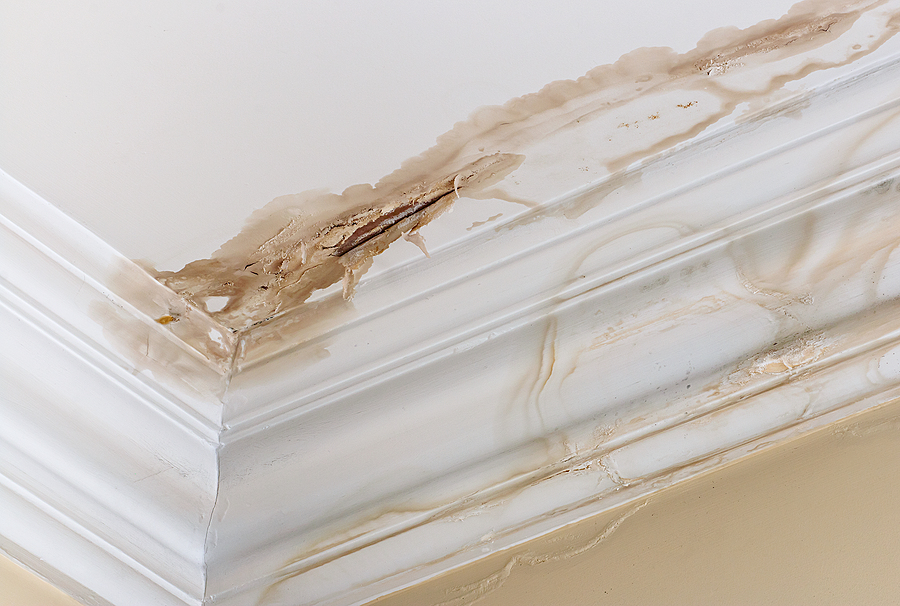
Water damage has a way of showing up when you least expect it—a burst pipe, a leaky roof, or a flooded basement can all leave your walls soaked and vulnerable. When drywall absorbs water, it often swells, softens, and loses its structural integrity. In many cases, patching won’t cut it. Full replacement becomes the safest, most reliable solution to protect your home and your health.
If you’re facing water-damaged drywall, two questions probably top your list: How long will the replacement take, and how much will it cost? The answers depend on several factors, from the size of the damage to the type of materials involved. This guide breaks down realistic timelines, detailed cost estimates, and the key variables that shape both—so you can plan with confidence.
How Long Does Drywall Replacement Take?
The timeline for replacing water-damaged drywall isn’t just about how fast a crew works. Much of the schedule comes down to drying time, since joint compound needs roughly 24 hours to cure between coats. Rushing that process leads to cracks and visible seams, so patience pays off.
Before any new board goes up, the affected area must be completely dry. If a leak caused the damage, expect three to five days of drying with fans and dehumidifiers first. Closing up a wet wall only invites the same problem back next year.
Several factors influence how long the whole project takes:
- Extent of the water damage: Surface-level dampness dries faster than saturated, sagging drywall.
- Size of the affected area: A single wall section moves quickly; multiple rooms take considerably longer.
- Accessibility of the walls: High ceilings, tight corners, and vaulted spaces all add time.
Small projects (1 to 3 days)
Replacing a small section of drywall—think a single patch under a window or around a pipe—usually takes two to three days from start to paint-ready. Only a few hours of that is hands-on work. The rest is drying time between coats of joint compound.
Medium projects (3 to 7 days)
A full room that needs to be hung, taped, and textured typically runs five to seven days. Hanging the board is fast and feels like major progress, but the taping, coating, sanding, and texturing that follow are where the calendar fills up.
Large projects (1 to 2 weeks or more)
Extensive water damage across multiple rooms, or a whole-house replacement, generally takes one to two weeks. Add extra days if the damage sits behind hard-to-reach walls or if structural drying stretches longer than expected.
Cost Breakdown for Water-Damaged Drywall Replacement
Water-damaged drywall repair typically costs between $550 and $3,000 or more, depending on the severity of the damage. For a complete professional project, most homeowners spend between $1,000 and $3,254, with an average around $2,100. Here’s where that money goes.
Material costs
Materials make up a smaller portion of your bill, but the type you choose matters:
- Standard drywall sheets: A half-inch panel runs about $20 each, or roughly $0.30 to $0.40 per square foot.
- Moisture-resistant drywall: Ideal for bathrooms, kitchens, and other damp-prone areas, this option costs $0.55 to $0.70 per square foot—about 20% to 30% more than standard board.
- Joint compound, tape, and finishing materials: These consumables are usually bundled into the total but can add $25 to $75 for a mid-sized repair.
Labor costs
Labor is the biggest line item, accounting for roughly 65% to 70% of the total cost. Expect to pay $1 to $2.10 per square foot, or between $50 and $150 per hour depending on the contractor’s experience and your location.
In the Midwest, including the Indianapolis area, labor rates tend to sit on the more affordable end—typically $65 to $85 per hour. That makes drywall replacement in this region more budget-friendly than in coastal markets like the Northeast or West Coast.
Additional costs to consider
Water damage often comes with hidden expenses:
- Mold remediation: If moisture lingered long enough for mold to grow, remediation typically costs $10 to $25 per square foot. Drywall-specific mold jobs often run $1,000 to $2,900.
- Structural repairs: Damaged framing or insulation behind the drywall may need attention before new board goes up.
- Paint and finishing: Once the new drywall is textured and primed, factor in the cost of matching paint to blend the repair seamlessly.
Factors That Impact Timeline and Cost
No two water-damage projects are exactly alike, and a few key variables can swing both your schedule and your budget:
- Severity of the water damage: Deeper saturation means longer drying times and more material to replace.
- Underlying structural damage: If the water reached the framing, insulation, or electrical, those repairs add cost and delay the drywall work.
- Accessibility and location: Ceiling repairs and hard-to-reach areas require scaffolding and extra labor—often 20% to 40% more than a standard wall patch.
- Local market rates and contractor availability: Prices climb during busy spring and summer months, so scheduling in fall or winter can save you money.
DIY vs. Professional Replacement
For minor damage—a small, fully dried patch in an easy-to-reach spot—a DIY approach can work. A basic repair kit costs just $10 to $50 and can handle small cosmetic fixes with patience and a steady hand.
Water damage, however, is a different story. When moisture is involved, there’s always a risk of hidden mold, compromised framing, or trapped dampness that leads to bigger problems down the road. Professional replacement runs $100 to $500 or more for the work itself, but it ensures the area is properly dried, tested, and finished. That upfront investment often saves hundreds—or thousands—in repeat repairs.
For extensive damage, ceiling work, or anything involving mold, hire a professional drywall service. It’s the smart, safe choice.
Frequently Asked Questions
How do I know if my drywall needs replacement?
If your drywall is soft to the touch, sagging, crumbling, or stained through, it likely needs replacement rather than repair. Surface stains on firm, dry drywall may only need a stain-blocking primer, but saturated board should be removed.
Can water-damaged drywall be repaired instead of replaced?
Sometimes. If the drywall dries quickly and stays firm, a repair may be enough. But once the board becomes saturated to the point of causing mold or structural weakness, replacement is the safer option.
How long does drywall take to dry after water exposure?
Plan on three to five days of drying with fans and dehumidifiers before installing new board. Skipping this step traps moisture and often leads to recurring damage or mold.
Get Expert Help With Your Water-Damaged Walls
Replacing water-damaged drywall involves more than swapping out a few panels. Timelines hinge on proper drying, and costs depend on everything from material choices to potential mold remediation. Knowing what to expect helps you plan a budget and avoid unwelcome surprises.
If your walls have suffered water damage, don’t leave the job to chance. Contact Drywall By Renso in Indianapolis, Indiana for professional water-damaged drywall replacement you can trust. Reach out today for a clear estimate and expert guidance from start to finish.
Related Posts:
Restoring Walls After Water Damage: DIY vs Expert Repair
Water-Damaged Drywall? Here’s When to Repair vs. Replace
The Ultimate Guide to Water-Resistant Drywall