The sound of dripping water inside a wall is enough to keep any homeowner awake at night. Whether it stems from a burst pipe, a leaky roof, or a humid summer that overwhelmed your HVAC system, water intrusion is a serious issue that requires immediate attention. It isn’t just about unsightly stains; moisture trapped in your walls can compromise the structural integrity of your home and creates the perfect breeding ground for mold.
While your instinct might be to grab a bucket and some towels, the damage often goes deeper than the surface. Drywall acts like a sponge, wicking moisture upward and retaining it long after the initial spill is cleaned up. Understanding the severity of the damage and knowing when to call in a professional is crucial for protecting your investment and your health.
Assessing the Damage: Signs You Can’t Ignore
Before you can decide on a course of action, you need to understand the extent of the problem. Drywall is a porous material made of gypsum plaster sandwiched between two sheets of thick paper. When this material gets wet, it loses its structural strength quickly.
The 48-Hour Window
Time is your enemy when dealing with water damage. According to the EPA, mold can begin to grow on damp surfaces within 24 to 48 hours. If the drywall has been wet for longer than two days, it is generally safer to assume that mold growth has begun, even if you can’t see it yet.
Visual and Tactile Clues
To evaluate the state of your walls, look for these common indicators:
- Discoloration: Water stains often appear as yellow or brown rings.
- Texture Changes: Bubbling, peeling paint, or wallpaper that is lifting at the seams are clear signs of moisture behind the surface.
- The “Press Test”: Gently press on the affected area with your finger. Drywall should be firm. If it feels soft, spongy, or leaves an indentation, the gypsum core has dissolved, and the panel needs to be replaced.
- Visible Mold: If you see black, green, or white clusters, do not disturb the area, as this can release spores into the air.
The Hidden Danger of Insulation
It is not just the drywall you need to worry about. If your walls are insulated, the problem is likely compounded. The Department of Housing and Urban Development (HUD) warns that wet fibrous insulation holds water and impedes drying. If the insulation behind your drywall is wet, it cannot be saved and must be removed to prevent wood decay and persistent mold issues inside the wall cavity.
Why Professional Repair is Essential
In an era of DIY tutorials, it is tempting to view drywall replacement as a weekend project. However, water damage remediation involves complexities that go far beyond patching a hole. Attempting to fix this yourself can lead to long-term structural issues and serious health risks.
Avoiding Hazardous Materials
If your home was built before 1980, the joint compound used to finish your drywall may contain asbestos. Furthermore, homes built prior to 1978 often contain lead-based paint. Disturbing these materials without proper containment and personal protective equipment (PPE) can release toxic dust into your home. Professional remediation teams are trained to test for these hazards and remove materials safely, following strict safety guidelines to protect your family.
Preventing Mold Spread
One of the biggest risks of DIY removal is cross-contamination. Tearing out moldy drywall without setting up a containment zone (using plastic sheeting and negative air pressure) can send millions of mold spores flying into your HVAC system and other rooms. The EPA advises that if a moldy area covers more than 10 square feet, a professional should handle the cleanup to ensure the contamination is fully contained.
Ensuring Structural Integrity
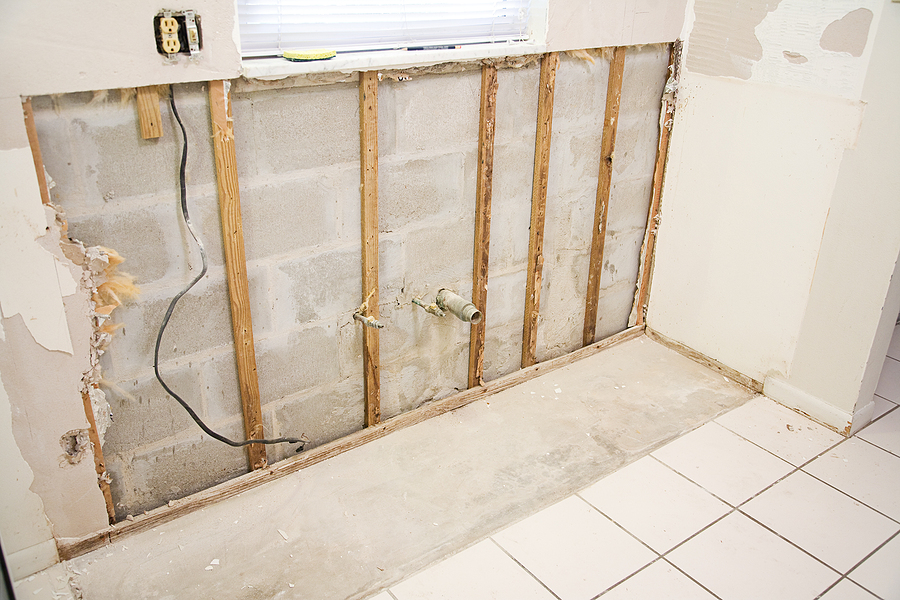
Professionals know exactly how much drywall to remove. A general rule of thumb from FEMA is to remove drywall at least 12 inches above the water line. This ensures that any material that may have wicked moisture upward is removed. Professionals also have the moisture meters and infrared cameras necessary to verify that the wooden studs behind the wall are completely dry before new drywall is installed—a step often skipped by DIYers, leading to rot behind brand-new walls.
Book a Free Drywall Repair Estimate Right Now ✅
Scheduling Service: What to Look For
When you are ready to hire a professional, diligence is key. You need a contractor who understands both the construction aspect of drywall and the science of water damage restoration.
Check for Certification
Look for professionals who hold certifications from the Institute of Inspection, Cleaning and Restoration Certification (IICRC). This non-profit organization sets the standards for the inspection, cleaning, and restoration industries. A technician with IICRC certification has been trained in the latest methods for safe mold remediation and structural drying.
Verify Insurance and Licensing
Ensure the company carries liability insurance and workers’ compensation. This protects you in case of accidental damage to your property or injury to a worker during the project. Additionally, check regarding local building codes. While some minor repairs might be exempt, structural work often requires specific permits.
In Indiana, for example, even if a project is exempt from state filing, local permits are often still required. A reputable contractor will handle the permitting process for you.
Prevention Tips: Protecting Your Home
Once your walls are restored, the goal is to prevent history from repeating itself. While you cannot control the weather, you can fortify your home against moisture intrusion.
- Manage Exterior Drainage: Ensure your gutters and downspouts are clear and direct water at least five feet away from your foundation.
- Control Humidity: The EPA recommends keeping indoor humidity between 30 and 50 percent. Using a dehumidifier during humid months can prevent condensation from forming on cold walls.
- Maintain Plumbing: Regularly check under sinks and around appliances for slow leaks. Catching a drip early can save you thousands of dollars in drywall work later.
- Sump Pump Maintenance: If you have a basement, test your sump pump regularly, especially before the rainy season, to ensure it is functioning correctly.
Conclusion
Water damage is a time-sensitive issue that demands a professional response. The risks associated with improper drying—ranging from structural rot to hazardous mold growth—are simply too high to leave to chance. By understanding the signs of damage and prioritizing professional remediation, you ensure that your home remains a safe, healthy environment for your family.
If you suspect water damage in your walls, do not wait for the problem to worsen. Acting fast is the best way to minimize damage and costs.
If you are located in the Indianapolis area and are concerned about soft walls, stains, or potential water damage, we are here to help. Contact Us Today to schedule a free drywall repair assessment. Our team will evaluate the extent of the damage and provide a clear plan to restore your home to its original condition.
Related Post: Detecting Water Damage in the Home: Signs, Solutions, and Prevention