
TL;DR and Key Takeaways:
Choosing the right ceiling material impacts your home’s acoustics, accessibility, and overall vibe. While ceiling tiles offer unmatched practicality for accessing utilities, they often lack the seamless elegance of drywall.
Key Takeaways:
- Utility Access: Suspended ceilings are the best choice for hiding and accessing pipes, ducts, and wires.
- Acoustic Control: Tiles can significantly reduce noise, with high-end options absorbing up to 90% of sound.
- Height Reduction: Expect to lose 3 to 8 inches of ceiling height with a drop ceiling grid.
- Aesthetics: Drywall remains the gold standard for a polished, residential look, while tiles can feel industrial or dated.
- Alternatives: Wood planks and stretch ceilings offer unique style benefits if you want to avoid standard drywall or tiles.
Table of Contents:
- Why Ceiling Choice Matters
- The Advantages of Installing Ceiling Tiles
- The Disadvantages of Ceiling Tiles
- Top Alternatives to Suspended Ceilings
- Why Professional Drywall is a Smart Investment
- Frequently Asked Questions
- Quick Recap
- Conclusion
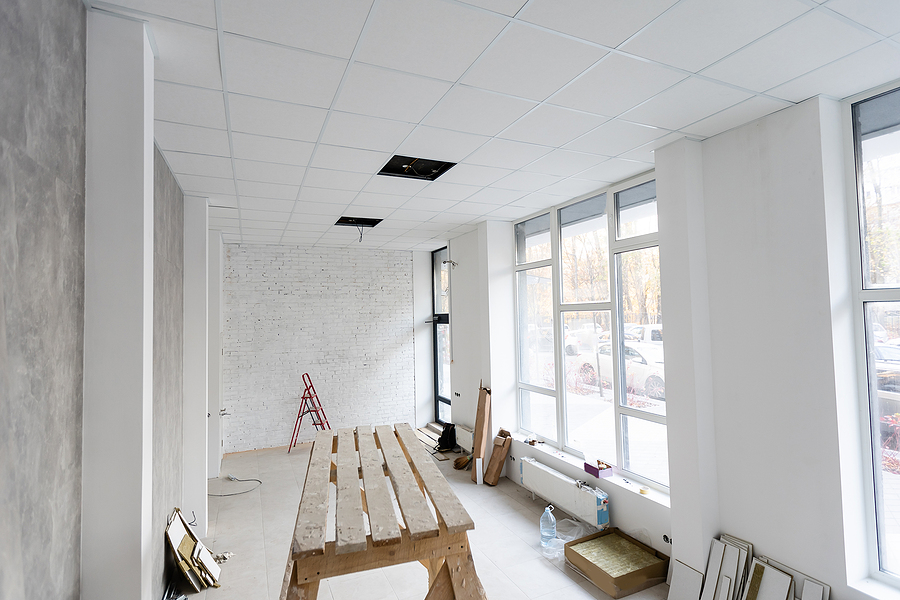
Why Ceiling Choice Matters
Your ceiling does more than just hide the roof; it plays a critical role in how a room sounds, feels, and functions. For many homeowners, the ceiling is an afterthought until a water leak appears or they realize their basement echoes like a gymnasium.
The material you choose dictates how easily you can fix future plumbing issues, how loud your footsteps sound to the floor below, and whether your room feels cozy or clinical. While drop ceilings (ceiling tiles) were once the default for basements and offices, modern trends are shifting toward cleaner, more durable finishes.
The Advantages of Installing Ceiling Tiles
Ceiling tiles, particularly suspended or “drop” ceilings, prioritize function and acoustic comfort above all else.
Easy Access to Utilities
The primary benefit of a suspended ceiling is the ability to reach mechanical systems without demolition. Because the tiles sit in a grid system 3 to 8 inches below the structural joists, you have a “plenum” space that hides HVAC ducts, electrical wiring, and plumbing. If a pipe leaks, you simply pop out a tile, fix the leak, and replace the tile. With drywall, you would need to cut a hole, repair the leak, patch the hole, sand, and repaint.
Superior Sound Absorption
Acoustic tiles are engineered to dampen noise, making them ideal for basements, media rooms, or home offices. Performance is measured by the Noise Reduction Coefficient (NRC). Standard mineral fiber tiles typically have an NRC between 0.50 and 0.70, meaning they absorb 50% to 70% of the sound that hits them. High-performance fiberglass tiles can reach NRC ratings of 0.90 or higher, creating a library-quiet atmosphere.
Budget-Friendly Repairs
Maintenance for ceiling tiles is incredibly low-cost and requires zero technical skill. If a tile gets water-stained, cracked, or dingy, you don’t need to hire a drywall contractor to fix it. You can purchase a replacement tile for a few dollars and swap it out in seconds. This modularity is a massive advantage for rental properties or high-traffic areas.
The Disadvantages of Ceiling Tiles
Despite their practicality, ceiling tiles come with significant aesthetic and structural trade-offs that can deter homeowners.
Reduced Ceiling Height
Installing a drop ceiling requires sacrificing vertical space. To accommodate the grid and the necessary clearance for lifting tiles in and out, a suspended ceiling typically lowers the room height by a minimum of 3 to 4 inches, though 6 to 8 inches is more common to allow for ductwork. In basements where headroom is already limited, this loss can make a space feel cramped and claustrophobic.
Dated, Industrial Aesthetic
It is difficult to make a grid system look high-end or cozy. While manufacturers now produce “architectural” tiles that mimic tin or coffered wood, the visible grid lines often give away the fact that it is a drop ceiling. For many, this look is synonymous with corporate offices, schools, or unfinished basements, which can lower the perceived value of a residential property compared to a smooth, finished ceiling.
Susceptibility to Moisture and Sagging
Standard mineral fiber tiles are porous and prone to water damage. In humid environments like bathrooms or basements without dehumidifiers, these tiles can absorb moisture, leading to unsightly sagging, discoloration, and even mold growth. While “humid-safe” tiles exist, standard options are not waterproof and can deteriorate quickly if a pipe leaks above them.
Top Alternatives to Suspended Ceilings
If the “office look” of ceiling tiles isn’t for you, several alternatives offer better durability and style.
Drywall Ceilings
Drywall is the most common ceiling finish for a reason: it creates a smooth, seamless, and timeless surface. It maximizes ceiling height since it is attached directly to the joists (or furring strips), usually taking up less than an inch of vertical space. While it doesn’t offer the easy utility access of tiles, access panels can be installed strategically. Ideally, drywall offers the best return on investment for resale value.
Wood Plank Ceilings
Wood planks or tongue-and-groove paneling add warmth and texture that tiles and drywall cannot match. This option is excellent for covering up damaged drywall or old popcorn ceilings without scraping. It can be installed directly onto ceiling joists or a track system. However, wood can be expensive and, like drywall, makes accessing utilities difficult once installed.
Stretch Ceilings
A stretch ceiling involves a PVC membrane stretched across a perimeter track, creating a perfectly smooth, glass-like surface. It is highly resistant to moisture, making it a surprisingly good option for basements. If a leak occurs, the membrane stretches to hold the water (protecting your furniture) and can be drained and re-stretched by a professional. The downside is the cost; it is significantly more expensive than tiles or drywall and requires specialized installation.
Why Professional Drywall is a Smart Investment
For most residential spaces, a professionally finished drywall ceiling provides the best balance of aesthetics, durability, and value. While a drop ceiling allows you to hide messy wires easily, a drywall ceiling forces a cleaner, more permanent renovation. It seals the room better against dust from the joists above and provides a fire-resistant barrier that adds safety to your home.
Furthermore, drywall is versatile. It can be painted any color, supports recessed lighting beautifully, and creates a continuous flow from wall to ceiling that opens up a room visually. If you are worried about accessing pipes, a professional drywall service can install discrete access panels or layout plumbing in a way that minimizes future demolition needs.
If you are renovating a basement or updating a room, opting for professional drywall installation ensures a flat, blemish-free finish that DIY kits or tiles rarely achieve.
Frequently Asked Questions
Can I paint acoustic ceiling tiles?
You can, but it is generally not recommended for acoustic tiles. Painting standard fiber tiles fills the tiny fissures and holes that absorb sound, significantly reducing their noise-dampening capabilities. If you must paint them, use a non-bridging paint specifically designed for acoustic panels, or spray them very lightly to avoid clogging the surface.
Do ceiling tiles insulate the room?
Ceiling tiles provide some thermal insulation, but they are primarily designed for sound, not heat. The “dead air” space between the tile and the floor above acts as a buffer, which can help keep a room warmer. However, for true thermal efficiency, you should install fiberglass or rock wool insulation batts between the joists above the grid.
How much does a drop ceiling cost vs. drywall?
Material-wise, a basic drop ceiling is often more expensive per square foot than drywall sheets. However, drywall requires significantly more labor (hanging, taping, mudding, sanding, painting). When you factor in professional labor, the costs are often comparable, though high-end architectural tiles will always cost more than a standard flat drywall finish.
Quick Recap:
- Tiles are practical: Best for accessing wires/pipes and stopping noise.
- Tiles steal height: You will lose 3-8 inches of headroom.
- Drywall is timeless: Offers the best resale value and seamless look.
- Wood adds warmth: Great for aesthetics but harder to install.
- Stretch is modern: Waterproof and sleek, but expensive.
- Maintenance: Tiles are easy to replace; drywall requires patching.
Conclusion
Deciding between ceiling tiles and their alternatives comes down to your priorities: do you need instant access to plumbing, or do you want a sleek, high-value finish? While tiles have their place in utility-heavy zones, nothing beats the clean, expansive look of a professionally finished drywall ceiling for main living areas.
If you are ready to upgrade your home’s look with a smooth, flawless finish, don’t rely on guesswork. For expert advice and superior craftsmanship, contact our team for professional drywall installation and repair in Indianapolis and surrounding areas today. Let us help you create a ceiling that elevates your entire home.
Related Post: Drop Ceilings: What You Need to Know Before You Decide