Something feels off. Maybe you heard a faint scratching sound behind the bedroom wall last night, or you noticed a small pile of sawdust near the baseboard that wasn’t there last week. These aren’t things you should brush off—they’re often the earliest warning signs of a pest infestation inside your walls.
Pests like termites, carpenter ants, rodents, and cockroaches don’t just create a nuisance. They cause real, costly damage to drywall, wood framing, insulation, and wiring. According to the National Pest Management Association, termites alone cause an estimated $5 billion in U.S. property damage each year. The longer an infestation goes undetected, the more extensive—and expensive—the repairs become.
This guide walks you through the key signs of a pest infestation in your walls, the types of structural damage different pests can cause, and what drywall repairs you may need once the infestation is under control.
Common Signs of a Pest Infestation in Your Walls
Unusual Sounds Coming from Walls
Sound is often the first clue. Mice and rats are nocturnal, so scratching, scurrying, or gnawing sounds after dark almost always point to rodent activity. If the noise is daytime scrambling, squirrels are the more likely culprit. Termites can also produce a faint papery rustling or soft clicking as they work through wooden framing—subtle enough to miss, but worth investigating if it’s persistent.
Visible Droppings Near Baseboards
Droppings near baseboards, cabinets, or wall corners are one of the clearest early indicators of an infestation. Mouse droppings are small, dark pellets about the size of a grain of rice with pointed ends. Rat droppings are larger with blunt ends. Cockroach droppings resemble fine pepper flakes, while termite and carpenter ant frass looks like a mix of coarse wood shavings and tiny insect debris. If you’re finding droppings in more than one room, the infestation is likely well-established.
Musty or Foul Odors from Walls
An unexplained smell that won’t go away is a red flag. Rodents leave behind urine and oils that produce an ammonia-like odor. Cockroaches emit a musty, oily smell, while termite-damaged wood develops a faint moldy scent. These odors are often strongest near venting, behind cabinets, or along exterior walls—common pest pathways.
Small Holes or Entry Points in Drywall
Mice can squeeze through a gap the size of a dime. Rats need only a quarter-sized opening. Carpenter ants create smooth, oval entry holes about 1/8 to 3/8 of an inch in diameter, often found near baseboards or window frames. If you spot small, clean-edged holes with debris nearby, pests are actively moving in or out of your wall cavities.
Sightings of Pests or Nesting Materials
A single cockroach spotted during daylight hours often signals a large hidden colony. Winged termites or flying ants near windows are a strong sign of nearby nesting. Finding shredded insulation, torn paper, or nesting debris near wall openings points to rodents building nests inside the wall void.
Types of Wall Damage from Pest Infestations
Structural Damage from Termites and Carpenter Ants
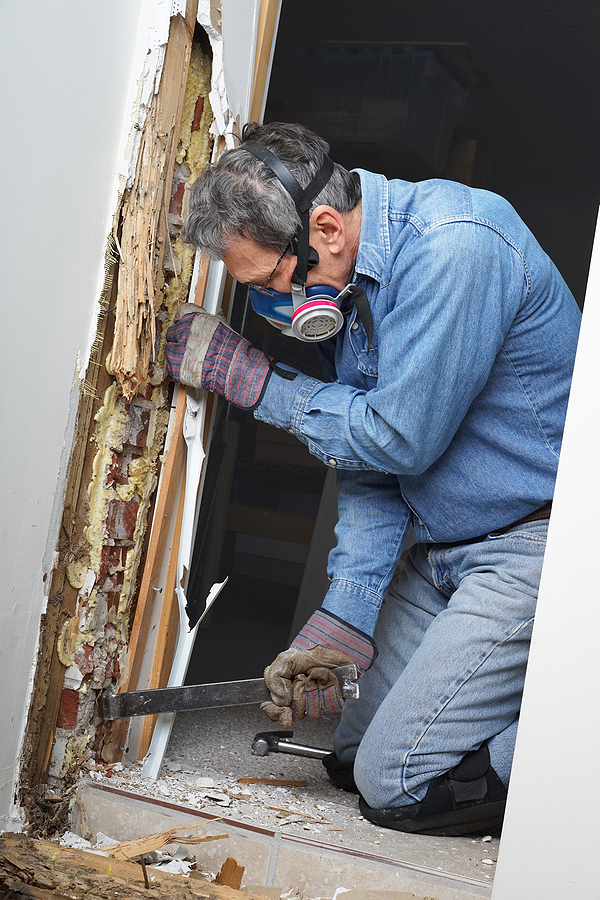
Termites feed on the cellulose in wood and drywall paper, hollowing out wall framing from the inside out. The outer surface can look completely normal while the structure behind it is severely compromised. Signs include hollow-sounding wood when tapped, paint that bubbles or blisters, and maze-like trails showing through the wall surface.
Carpenter ants don’t eat wood—they excavate it, carving smooth, clean galleries through wooden studs and framing. Unlike termites, their damage is dry, with no soil or mud packed inside. A mature carpenter ant colony can hollow out a 2×4 stud in roughly three years. Advanced structural damage involving floor joists and wall framing can run $1,500 to $5,000 or more in repairs.
Water Damage from Rodents Chewing Pipes
Rodents gnaw on almost anything—including plumbing pipes. Chewed water lines inside walls can cause slow leaks or sudden bursts, leading to significant water damage in drywall and insulation. By the time water staining becomes visible on the wall surface, the damage behind it is often extensive.
Insulation Damage Affecting Energy Efficiency
Both rodents and carpenter ants tear through wall insulation. Mice and rats shred it for nesting material. Carpenter ants create irregular channels through foam board insulation to expand their galleries. Damaged insulation reduces your home’s energy efficiency and can also harbor moisture—creating the exact conditions that attract more pests.
Wiring Damage Creating Fire Hazards
Rodents have a compulsive need to gnaw, and electrical wiring inside walls is a common target. Chewed wire insulation creates exposed conductors that can spark fires or cause short circuits. Warning signs include flickering lights, tripped breakers with no clear cause, or unexplained power outages. This type of damage is both dangerous and costly to repair.
When You Need Drywall Repairs
Assessing the Extent of Damage First
Before any drywall repair begins, the pest infestation must be treated and fully resolved. Repairing drywall over an active infestation just traps the problem inside your walls. Once pest control professionals have cleared the infestation, a full damage assessment is the next step—checking for hollow-sounding panels, soft spots, moisture staining, and any structural compromise to the framing behind the wall. Call Drywall by Renso at 317-269-7319 to schedule your assessment in Indianapolis.
Small Holes and Punctures
Minor entry holes and small sections of pest-damaged drywall can typically be patched. Small holes generally cost $50–$150 to repair, while medium-sized holes run $150–$400. These repairs involve cutting out the damaged section, installing a patch with backing, applying joint compound in multiple coats, and finishing with primer and paint.
Large Sections Requiring Replacement
When pest damage is widespread—multiple panels, entire wall sections, or areas with compromised framing—full drywall replacement is often more practical than patching. Replacing a full wall section typically runs $200–$600, depending on size and finish requirements. If underlying framing is damaged, structural repairs must happen before new drywall goes up.
Moisture Damage Requiring Immediate Attention
Water damage from chewed pipes or termite activity demands urgent attention. Wet drywall deteriorates quickly and can develop mold within 24–48 hours. Water damage repairs range from $500 to $2,500 or more, and any mold remediation adds to that cost. Moisture-resistant drywall should be used in affected areas to prevent recurrence.
Preventing Future Pest Infestations
Seal Cracks and Gaps in Exterior Walls
Fill gaps around pipes, vents, utility lines, and foundation cracks with caulk or steel wool. Rodents cannot chew through steel wool, making it an effective first barrier for small openings.
Maintain Proper Ventilation and Moisture Control
Termites and carpenter ants are drawn to damp, humid conditions. Fix leaking pipes promptly, improve ventilation in bathrooms and crawl spaces, and use dehumidifiers in moisture-prone areas. Dry walls are far less attractive to wood-boring pests.
Schedule Regular Home Inspections
Annual pest inspections catch early-stage infestations before they cause serious structural damage. A professional can identify entry points, moisture problems, and signs of activity that are easy to miss during a routine walk-through.
Invest in Professional Pest Control
Proactive pest control treatments—especially for termites in older homes—are significantly cheaper than the repairs an untreated infestation will eventually require. Catching an infestation in year one versus year four can mean the difference between a $400 repair and a $5,000 rebuild.
Frequently Asked Questions
How do I know if pests have damaged my drywall?
Look for soft or hollow-sounding panels when tapped, small entry holes near baseboards, bubbling or blistering paint, fine sawdust or droppings near walls, and unexplained cracks. These are all signs that pests may be active behind your drywall.
Can I repair drywall myself after a pest infestation?
Small holes and minor patches are manageable DIY projects. However, pest-related damage often involves multiple panels, compromised framing, or moisture damage—repairs that require professional assessment and workmanship to do correctly and safely.
How much does drywall repair cost after pest damage?
Costs vary by the extent of damage. Minor patching runs $50–$400. Large sections requiring replacement cost $200–$600+. When moisture or mold is involved, costs can reach $2,500 or more. Structural framing repairs add to that total.
Does homeowners insurance cover pest-related drywall damage?
In most cases, no. Standard policies treat pest damage as a preventable maintenance issue. Repairs are typically out-of-pocket, which makes early detection and prompt action especially important.
Don’t Let Pest Damage Go Unchecked
The signs of a pest infestation in your walls are easy to overlook—until the damage becomes impossible to ignore. Acting early keeps repair costs manageable and protects your home’s structural integrity.
Disclaimer: The information provided in this blog is for educational purposes only and should not be considered professional pest control advice. For specific concerns or situations, consult a licensed pest control expert or your insurance provider directly.
Once pest control has cleared the infestation, the next step is restoring your walls. Drywall By Renso provides professional drywall repair services throughout Indianapolis, Indiana. Whether you’re dealing with small entry holes or extensive wall damage, our team can assess the damage and restore your walls to their original condition. Request a free quote today.
Related Posts:
Replacing Drywall After a Pest Infestation: What You Need to Know
Restoring Walls After Water Damage: DIY vs Expert Repair
The Meaning Behind the Color of Mold on Your Walls