Your home should be a safe, comfortable haven for you and your family. Hidden threats like excessive moisture can compromise that safety, leading to invisible structural decay and harmful mold growth. Water vapor from hot showers, boiling pots, and damp basements constantly interacts with your walls. If those walls are not properly equipped to handle the dampness, you could face extensive and expensive damage.
Using the right materials during construction or remodeling is a vital step in maintaining a healthy living environment. Standard building materials often fall short in rooms prone to high humidity. By upgrading to specialized products, you give your home an invisible layer of armor that repels water and keeps your indoor atmosphere clean.
Water-resistant drywall is one of the most effective tools for defending your home against humidity. This comprehensive guide will explain how this material works, where you need it most, and how it can save you from future headaches.
What is Water-Resistant Drywall?
Water-resistant drywall is a specialized building panel specifically engineered to repel moisture and prevent water from penetrating the inner core of your walls.
Composition and Properties
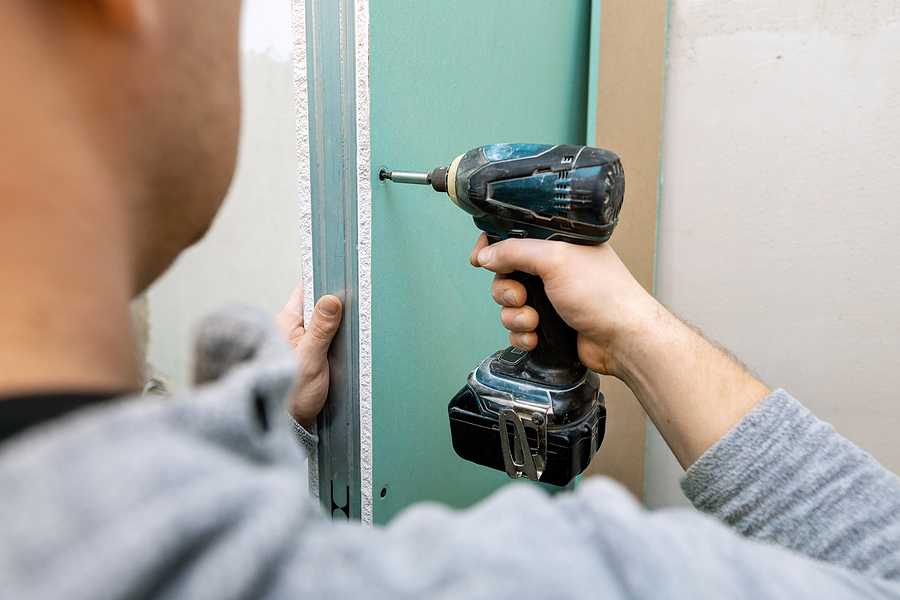
Unlike standard wallboard, moisture-resistant drywall features a unique, chemically treated core. Manufacturers blend traditional gypsum with water-repelling additives like wax or silicone. They wrap this enhanced core in heavy-duty, moisture-resistant paper.
You will often hear builders refer to these panels as “green board” or “purple board” due to the colored paper facing that identifies them on the job site. This construction creates a tough barrier that stops water droplets and steam from soaking into the material.
How it Differs from Regular Drywall
Regular drywall acts like a dry sponge. When exposed to high humidity or direct water contact, the untreated paper facing absorbs the moisture, pulling it deep into the unprotected gypsum core. The panel then swells, loses its structural integrity, and eventually crumbles. Water-resistant drywall actively sheds moisture. The treated facing causes water to bead up and roll off, while the enhanced core resists swelling.
Where to Use Water-Resistant Drywall in Your Home
You should install water-resistant drywall in any room that regularly experiences high humidity, potential plumbing leaks, or poor natural ventilation.
Bathrooms: A Moisture Battleground
Bathrooms endure the highest levels of daily moisture in most homes. Hot showers generate thick steam that settles on the walls and ceiling. You need water-resistant drywall on the bathroom ceiling and on all walls outside the immediate shower enclosure to prevent the steam from destroying the paint and underlying board.
Kitchens: Spills and Splashes
Boiling water, running dishwashers, and accidental sink splashes introduce constant moisture into your kitchen. Installing green or purple board behind the sink, behind the stove, and around the dishwasher provides a necessary buffer. It stops accidental splashes from seeping into the wall cavity and causing rot.
Basements: Combating Dampness
Basements naturally hold dampness because they sit below ground level. Soil moisture constantly presses against the foundation, increasing the indoor humidity. Using moisture-resistant wallboard in a finished basement prevents the walls from degrading over time and helps keep the space smelling fresh.
Laundry Rooms: Humidity Control
Washing machines and hot dryers create a warm, heavily humid environment. A small leak from a washing machine hose can quickly ruin standard walls. Upgrading the drywall in your laundry room safeguards the area against both ambient humidity and accidental flooding.
Other High-Humidity Areas
Consider using moisture-resistant panels in mudrooms, attached garages, and enclosed porches. Any area where wet coats, snowy boots, or outdoor weather routinely enter the home will benefit from this added protection.
Benefits of Choosing Water-Resistant Drywall
Upgrading to moisture-resistant drywall protects your family’s respiratory health and saves you significant money on future structural repairs.
Preventing Mold and Mildew Growth
Mold spores thrive in dark, damp environments. Because standard drywall absorbs water, it creates the perfect breeding ground for toxic black mold and mildew. Water-resistant drywall deprives these spores of the moisture they need to multiply. Many premium brands (like purple board) even include specific antimicrobial chemicals in the paper facing to actively stop mold growth.
Enhanced Durability and Longevity
Walls built with moisture-resistant panels simply last longer. They resist the warping, bubbling, and crumbling that plagues standard gypsum boards in damp environments. Your paint jobs will look smoother for years, and your walls will maintain their solid, rigid structure even after thousands of hot showers.
Maintaining Indoor Air Quality
Hidden mold inside wall cavities silently releases spores into the air you breathe. This can trigger asthma attacks, allergic reactions, and chronic coughing. By keeping moisture out of your walls, you keep mold out of your ductwork and living spaces. This proactive step helps maintain crisp, clean indoor air quality for your entire family.
Cost-Effectiveness in the Long Run
Moisture-resistant drywall costs slightly more upfront than standard panels. However, this small initial investment pays massive dividends. Repairing water-damaged walls requires tearing out the old board, treating for mold, and reinstalling new drywall. You bypass these exorbitant repair bills by installing the right material the first time.
Installation Tips for Water-Resistant Drywall
Proper installation requires leaving a small gap at the floor and using specialized moisture-resistant tape and joint compound to ensure a watertight seal.
Proper Preparation is Key
Before hanging the first panel, inspect the wood or metal framing for existing moisture issues. Fix any plumbing leaks and ensure the room has adequate ventilation, such as an exhaust fan. When cutting the panels, measure carefully to leave a one-quarter-inch gap between the bottom edge of the drywall and the floor. This gap prevents the board from wicking up spilled water from the ground.
Sealing and Finishing Techniques
Standard paper drywall tape and regular joint compound will absorb water, ruining the moisture-resistant properties of the panels. You must use fiberglass mesh tape and a setting-type joint compound designed specifically for high-moisture areas. Apply the compound smoothly, sand it lightly, and always finish the wall with a high-quality, moisture-blocking primer before painting.
Professional Installation vs. DIY
Hanging drywall is heavy, exhausting work. While an experienced homeowner can tackle a small patch, outfitting a whole bathroom or basement requires precise skills. Professional drywall contractors understand local building codes, know exactly which tapes and muds to use, and can guarantee a perfectly smooth, watertight finish.
Frequently Asked Questions
Is water-resistant drywall waterproof?
No. Water-resistant drywall repels ambient moisture and occasional splashes, but it is not entirely waterproof. You should not use it as a backing for tiles directly inside a shower stall. For areas submerged in water or receiving direct, heavy spray, you must use cement board.
Can I paint over water-resistant drywall?
Yes. You can paint it just like regular drywall. For the best results, use a moisture-resistant primer followed by a high-quality semi-gloss or satin paint that repels water and allows for easy cleaning.
How much does water-resistant drywall cost?
Prices fluctuate based on your location and the thickness of the board. Generally, a standard 4×8 sheet of moisture-resistant drywall costs between $15 and $25. This is slightly more expensive than standard drywall, which typically costs between $10 and $15 per sheet.
What are the best brands of water-resistant drywall?
Top-rated brands include USG (makers of Sheetrock® brand Mold Tough® panels), National Gypsum (creators of Gold Bond® XP® purple board), and Georgia-Pacific (producers of ToughRock® moisture-resistant boards).
Safeguard Your Home Against Moisture Damage
Protecting your home from the damaging effects of humidity requires foresight and the right materials. Water-resistant drywall serves as a crucial line of defense in your bathrooms, kitchens, and basements. By understanding how this material works and ensuring it is installed correctly, you preserve the structural integrity of your house and protect the health of your family.
If you need expert drywall installation and repair in Indianapolis, we are here to help. From new construction homes to water-damaged drywall replacement, we do it all. Contact us today to ensure your walls are built to last.
Related Post: Water-Damaged Drywall? Here’s When to Repair vs. Replace